
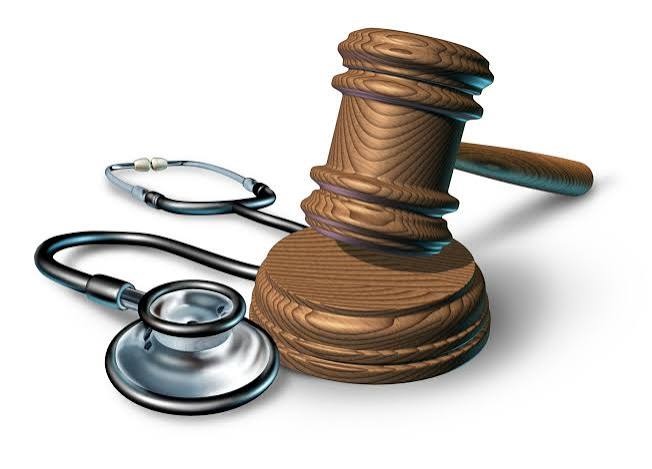
Why Medical Liability Is Receiving Greater Attention in 2026
Healthcare is evolving rapidly, with artificial intelligence, telemedicine, electronic health records, and advanced diagnostic technologies becoming standard across medical facilities. While these innovations have improved patient care and treatment efficiency, they have also introduced new challenges regarding accountability and patient safety.
As healthcare systems become increasingly complex, concerns about treatment errors and preventable harm continue to rise. Families and patients are demanding greater transparency and higher standards of care from medical providers. Consequently, legal professionals, healthcare organizations, and policymakers are placing greater emphasis on preventing errors and ensuring responsible medical practices.
The growing focus on patient rights has made medical malpractice one of the most significant areas of healthcare litigation and risk management in modern medicine.
Understanding Medical Malpractice in Today’s Healthcare Environment
Medical negligence occurs when a healthcare professional fails to provide treatment that meets accepted standards of care and that failure causes injury or harm to a patient. Not every unfavorable medical outcome qualifies as negligence, as medicine often involves uncertainty and complex decision-making.
However, preventable mistakes that occur because of improper actions or omissions may result in legal liability. Establishing negligence generally requires evidence showing:
- A professional relationship existed between the provider and patient
- The provider had a duty to deliver competent care
- The accepted standard of care was not met
- The patient suffered harm because of that failure
These cases frequently require extensive documentation and expert analysis due to the technical nature of medical procedures and treatments.
Common Medical Errors Leading to Legal Claims
Healthcare providers work in fast-paced environments where mistakes can have serious consequences. Although many medical professionals provide exceptional care, certain errors continue to contribute to litigation and patient harm.
Common issues include:
- Delayed or incorrect diagnosis
- Medication and dosage errors
- Surgical mistakes
- Failure to monitor patient conditions
- Communication failures between healthcare teams
- Delayed treatment of serious illnesses
- Inadequate follow-up care
Even minor mistakes can sometimes result in significant physical, emotional, and financial consequences for patients and their families.
The Role of Technology in Improving Patient Safety
One of the most significant developments in healthcare during 2026 is the increased use of technology to reduce preventable errors. Healthcare organizations are investing heavily in systems designed to improve communication, documentation, and treatment accuracy.
Modern patient safety initiatives include:
- Artificial intelligence-assisted diagnostic tools
- Electronic prescribing systems
- Real-time patient monitoring technology
- Integrated electronic health records
- Automated medication verification systems
These innovations help healthcare providers identify potential risks earlier and make more informed treatment decisions.
Why Documentation Is Critical in Medical Cases
Accurate documentation is one of the most important aspects of modern healthcare. Medical records create a timeline of treatment decisions and provide valuable information regarding diagnoses, medications, procedures, and patient communication.
Important documentation may include:
- Physician notes
- Diagnostic test results
- Medication histories
- Surgical reports
- Nursing observations
- Communication records
Well-maintained records improve patient care and provide essential information when questions arise regarding treatment decisions.
The Financial and Emotional Impact of Medical Errors
When patients experience preventable injuries, the effects often extend beyond immediate medical concerns. Families may face long recovery periods, additional healthcare expenses, and emotional distress.
Potential consequences include:
- Additional medical treatment costs
- Lost income and reduced earning capacity
- Ongoing rehabilitation expenses
- Psychological stress and anxiety
- Reduced quality of life
- Long-term disability challenges
These consequences demonstrate why patient safety remains a priority for healthcare organizations and legal professionals alike.
Challenges Facing Healthcare Providers in 2026
Medical professionals are navigating an increasingly demanding healthcare environment. Rising patient expectations, technological changes, and administrative responsibilities can create significant pressures.
Common challenges include:
- Managing large amounts of patient information
- Adapting to new technologies
- Addressing workforce shortages
- Coordinating care among multiple providers
- Maintaining compliance with evolving regulations
Healthcare systems that effectively address these challenges often improve both patient outcomes and organizational efficiency.
Emerging Trends Shaping Healthcare Accountability
The future of healthcare accountability is becoming increasingly data-driven and patient-centered. Organizations are implementing strategies designed to reduce risk and improve transparency.
Important trends include:
- Increased use of predictive analytics
- Expansion of telehealth services
- Enhanced patient communication initiatives
- Greater focus on quality assurance programs
- More comprehensive risk management procedures
These developments are encouraging healthcare providers to adopt proactive approaches that emphasize prevention rather than reaction.
Building a Safer Healthcare System
Reducing preventable harm requires cooperation among healthcare providers, administrators, technology developers, and policymakers. Successful patient safety programs often focus on continuous improvement and education.
Effective strategies include:
- Ongoing staff training and development
- Improved communication protocols
- Regular safety evaluations
- Technology integration and optimization
- Transparent reporting procedures
These initiatives help organizations identify risks and strengthen their ability to provide high-quality care.
Conclusion
As healthcare continues to evolve, ensuring patient safety and accountability remains essential. The growing complexity of modern medicine has increased attention on medical malpractice, encouraging healthcare organizations to implement stronger safeguards and adopt innovative technologies that reduce preventable errors.
In 2026, successful healthcare systems are those that combine advanced medical practices with effective communication, accurate documentation, and continuous quality improvement. By prioritizing patient-centered care and embracing modern safety strategies, healthcare providers can reduce risks, improve outcomes, and build greater trust within the communities they serve.