
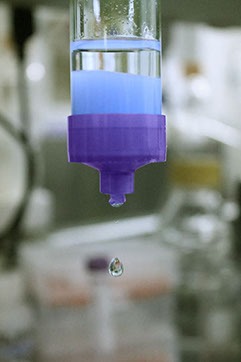
Selecting the right Protein A resin is one of the most important decisions you can make when planning an antibody purification workflow. Whether you work in academic research, biotechnology, diagnostics, or pharmaceutical development, your choice of resin directly affects binding capacity, purity, recovery, processing time, and overall cost.
Instead of choosing a resin based only on price, you should evaluate its performance, compatibility with your antibodies, and ability to support your purification goals. Understanding the key selection factors helps you achieve consistent, reproducible results while reducing unnecessary optimization.
Understand Your Antibody Type
Before selecting a Protein A resin, you should identify the antibody or Fc-containing protein you plan to purify. Different antibody subclasses have different binding affinities for Protein A. Human IgG1, IgG2, and IgG4 generally bind strongly, while some mouse and other species’ antibodies may require alternative purification strategies.
Knowing your target molecule allows you to select a resin that delivers high recovery without sacrificing purity.
Evaluate Binding Capacity
Dynamic binding capacity is one of the first specifications you should review. A resin with higher binding capacity allows you to purify more antibody using less chromatography media.
When comparing options, look for resins that provide:
- High dynamic binding capacity
- Stable antibody recovery
- Low ligand leakage
- Excellent reproducibility
- Minimal nonspecific binding
Higher-capacity resins often reduce processing time and operating costs, particularly during large-scale purification.
Consider Resin Matrix Quality
The base matrix plays a major role in purification performance. A well-designed agarose matrix provides excellent flow characteristics while protecting sensitive proteins from excessive shear forces.
You should select a resin that offers:
- Uniform bead size
- High mechanical stability
- Consistent flow rates
- Excellent pressure tolerance
- Long operational lifespan
A durable matrix supports repeated purification cycles without significant performance loss.
Match the Resin to Your Scale
Not every Protein A resin is designed for the same application.
If you perform analytical or laboratory-scale purification, smaller resin volumes may be sufficient. However, pilot-scale and manufacturing processes require resins capable of maintaining high performance under increased flow rates and repeated cleaning cycles.
Choosing a scalable solution allows you to move from research to production without completely redesigning your purification process.
For researchers looking for high-capacity Protein A resins for antibody purification and affinity chromatography applications, the Protein A purification products from Protein A Resins provide reliable performance across multiple research and production workflows.
Check Chemical Stability
Protein purification frequently involves exposure to different buffers, cleaning agents, and regeneration solutions.
A high-quality Protein A resin should tolerate:
- Sodium hydroxide cleaning
- Multiple purification cycles
- Variable buffer conditions
- Extended storage
- Routine sanitization
Chemical stability helps extend resin life while maintaining purification consistency over time.
Focus on Purity and Recovery
High binding capacity alone is not enough. You also want maximum antibody recovery with minimal contaminants.
Evaluate performance data such as:
- Host cell protein removal
- DNA reduction
- Aggregate removal
- Elution efficiency
- Recovery percentage
Higher purity reduces downstream processing requirements and improves overall workflow efficiency.
Review Flow Properties
Fast processing becomes increasingly important when handling multiple samples or large production batches.
A quality Protein A resin should maintain excellent flow properties without sacrificing binding efficiency. Stable flow characteristics help reduce purification time while maintaining reproducible results between runs.
Consider Reusability
Reusable chromatography media reduce operational costs significantly.
Before purchasing, verify:
- Number of validated reuse cycles
- Cleaning recommendations
- Ligand stability
- Pressure resistance
- Batch-to-batch consistency
Resins designed for repeated use often provide better long-term value than lower-cost alternatives with limited lifespan.
Verify Technical Support
Selecting a supplier involves more than purchasing a product. Reliable technical support can help you optimize purification conditions, troubleshoot problems, and improve process efficiency.
Choose suppliers that provide:
- Detailed product documentation
- Purification protocols
- Technical consultation
- Quality certificates
- Responsive customer support
Strong technical guidance often shortens development time and improves reproducibility.
Compare Overall Value Instead of Initial Cost
The least expensive resin may not deliver the lowest overall cost. Lower-performing media can increase purification time, reduce recovery, and require additional downstream processing.
When comparing products, consider:
- Yield per purification
- Resin lifetime
- Reproducibility
- Processing speed
- Operating costs
- Product quality
Evaluating total workflow efficiency often reveals greater long-term value than comparing purchase prices alone.
Partner with an Experienced Protein Purification Provider
Working with an experienced supplier helps ensure you select the right purification tools for your research objectives. Lytic Solutions, LLC offers high-quality affinity purification products designed to support antibody purification, protein research, biotechnology, and life science applications. Their expertise helps researchers identify solutions that align with both laboratory-scale studies and larger production requirements.
If you need assistance selecting the most suitable Protein A resin for your application, Contact us today to discuss your purification goals with experienced specialists.
Conclusion
Choosing the best Protein A resin requires more than comparing product specifications. You should evaluate antibody compatibility, binding capacity, matrix quality, scalability, chemical stability, recovery, flow performance, reusability, and supplier expertise. A carefully selected resin delivers cleaner antibody purification, greater reproducibility, and improved efficiency throughout your workflow. Investing time in selecting the right purification media ultimately supports better research outcomes and more reliable production processes.
Frequently Asked Questions
What are Protein A resins used for?
Protein A resins are affinity chromatography media primarily used to purify antibodies, especially IgG molecules, from complex biological samples with high purity and recovery.
How do I choose the best Protein A resin?
You should evaluate antibody compatibility, binding capacity, chemical stability, flow properties, scalability, resin durability, and supplier support before making a selection.
Why is binding capacity important in Protein A resins?
Higher binding capacity allows you to purify larger amounts of antibody with less resin, reducing processing time, material usage, and overall purification costs.
Can Protein A resins be reused?
Yes. High-quality Protein A resins are designed for multiple purification cycles when cleaned and maintained according to the manufacturer’s recommended protocols.
Are Protein A resins suitable for large-scale manufacturing?
Yes. Many modern Protein A resins are engineered for laboratory research, pilot studies, and commercial bioprocessing with excellent scalability and consistent performance.
Which factors affect antibody purification performance?
Resin quality, antibody type, binding conditions, buffer composition, flow rate, cleaning procedures, and chromatography system optimization all influence purification results.
What industries commonly use Protein A resins?
Protein A resins are widely used in biotechnology, pharmaceutical manufacturing, diagnostic development, academic research, and therapeutic antibody production.
Where can I find reliable Protein A purification products?
Working with experienced suppliers that specialize in affinity chromatography products helps ensure consistent quality, technical support, and dependable purification performance.