
Choosing the right piping products is an important decision for construction, plumbing and infrastructure projects. Whether you are developing a residential building, managing a commercial property or planning a drainage installation, the quality of the pipes and fittings can influence system performance, maintenance requirements and long-term reliability.
This makes the selection of reliable uPVC pipe manufacturers an important part of the purchasing process. While several manufacturers offer UPVC pipes and fittings, their products may differ in specifications, dimensions, intended applications, manufacturing processes and quality-control practices.
UPVC, or unplasticised polyvinyl chloride, is a rigid plastic material used in different piping applications. Depending on the product design, UPVC pipes may be used for water distribution, agriculture, drainage and other applications. However, not every UPVC pipe is suitable for every purpose. Pressure pipes, agricultural pipes and Soil, Waste and Rainwater (SWR) pipes are designed for different operating conditions and should be selected accordingly.
For builders, contractors, plumbers, distributors and procurement professionals, understanding how to evaluate manufacturers can make purchasing decisions more straightforward.
This guide explains what to look for when comparing UPVC pipe manufacturers in India, how to evaluate product quality, which specifications matter and how to select pipes and fittings that match your project’s requirements.
Understanding UPVC Pipes and Their Applications
UPVC stands for unplasticised polyvinyl chloride. It is a rigid form of PVC that does not contain added plasticisers to make the material flexible.
UPVC is used in different piping systems because of its rigidity, corrosion resistance, relatively lightweight construction and smooth internal surface. Its suitability for a particular application depends on the pipe’s design, dimensions, pressure rating and other technical specifications.
Before selecting a manufacturer, it is important to understand the type of UPVC pipe required for your project.
UPVC Pipes for Water Supply
UPVC pressure pipes are designed for suitable water distribution applications where the product specifications meet the required operating pressure and installation conditions.
When evaluating these pipes, consider the required flow rate, pipe diameter, pressure rating, wall thickness and applicable product standards. These factors help determine whether a particular product is suitable for the intended water supply system.
UPVC Agricultural Pipes
Agricultural UPVC pipes are used for suitable farm water distribution and irrigation applications. Their selection depends on the water source, pump capacity, operating pressure, pipeline length and irrigation requirements.
Buyers should check the product specifications rather than assuming that every UPVC pipe can withstand the pressure generated by an agricultural pump.
UPVC SWR Pipes and Fittings
SWR stands for Soil, Waste and Rainwater. These pipes and fittings are designed to carry wastewater, soil discharge and rainwater through suitable drainage systems, generally under gravity-flow conditions.
SWR pipes are commonly used in residential, commercial and other buildings where effective wastewater and rainwater management is required.
KPT Pipes offers its Drainmate SWR Pipes and Fittings range for drainage applications. When selecting SWR products, buyers should consider the required pipe size, jointing system, fittings compatibility and installation layout.
It is important not to substitute an SWR drainage pipe for a pressure-rated water supply pipe unless the product is specifically designed and approved for that application.
Why Is Choosing the Right uPVC Pipe Manufacturer Important?
A piping system needs to meet the technical requirements of the project throughout its intended service life. Choosing a suitable manufacturer helps buyers identify products with appropriate specifications and consistent manufacturing quality.
Product Quality and Consistency
Pipes should conform to their declared dimensions, wall thicknesses and material specifications. Consistency is particularly important when purchasing pipes and fittings for large installations that require multiple components to work together.
Differences in dimensions or product quality can create difficulties during installation and may affect the performance of the completed system.
Application-Specific Product Range
A reliable supplier should be able to clearly identify which products are intended for particular applications.
For example, pressure pipes, agricultural pipes and SWR drainage pipes serve different purposes. Choosing a manufacturer with an appropriate product range makes it easier to find products that match the technical requirements of the project.
Technical Documentation
Clear technical documentation helps buyers verify product dimensions, pressure ratings, applicable standards, joining methods and intended applications.
This information is particularly useful for contractors, engineers and procurement teams who need to compare products before approving them for a project.
Availability of Compatible Fittings
A piping system requires more than straight pipe sections. Elbows, tees, couplers, reducers and other fittings are needed to complete the installation.
Selecting compatible pipes and fittings helps simplify installation planning and reduces the risk of connection problems caused by mismatched components.
Seven Factors to Consider When Comparing uPVC Pipe Manufacturers
Before placing an order, evaluate manufacturers against the requirements of the project rather than relying solely on brand recognition or the quoted price.
1. Check the Applicable Quality Standards
One of the first steps is to identify the product standards relevant to the intended application.
Different UPVC pipe categories may be governed by different technical requirements. A pressure pipe, an agricultural pipe and an SWR drainage pipe should not automatically be evaluated against the same specifications.
Ask for the applicable standard, product documentation and any relevant certification or test information. Where certification is required by the project or local regulations, verify that it applies to the exact product being purchased.
This helps establish whether the pipe meets the necessary technical requirements.
2. Evaluate Pipe Dimensions and Wall Thickness
Pipe diameter and wall thickness affect the suitability of a product for its intended application. They also influence compatibility with fittings and the performance of the installed system.
When comparing manufacturers, confirm the nominal size, actual dimensions, wall thickness and relevant dimensional tolerances.
For pressure applications, verify the pressure classification as well. For drainage systems, check the dimensions and product specifications required by the drainage design.
Comparing products on an equivalent specification basis makes it easier to assess their suitability.
3. Understand the Intended Application
A manufacturer may offer several types of UPVC pipes, but their applications can differ considerably.
Before selecting a product, establish whether the requirement is for water supply, agricultural water distribution, SWR drainage or another specific application.
For example, a building’s soil and waste drainage system requires pipes designed for drainage conditions, while a pressurised water distribution system requires pipes with suitable pressure ratings.
Clearly identifying the application helps prevent unsuitable product selection and supports more accurate procurement.
4. Assess Manufacturing Quality Control
Manufacturing quality control is important because pipes need to conform to their declared specifications.
When evaluating UPVC pipe manufacturers, look for information about production checks, dimensional inspection, material controls and applicable testing procedures.
For larger orders, procurement teams may request relevant quality documents or product samples where appropriate. Any assessment should follow the project’s procurement requirements and the manufacturer’s documented procedures.
Consistent quality helps simplify installation and reduces the likelihood of problems associated with dimensional variation or unsuitable products.
5. Check the Range of Pipes and Fittings
A complete piping installation may require multiple pipe sizes and different fittings.
Common components include elbows for directional changes, tees for branch connections, couplers for joining pipe sections and reducers for connecting different diameters. The exact fittings required depend on the piping system.
When comparing manufacturers, check whether the required fittings are available and whether they are compatible with the selected pipes.
For SWR installations, also consider the jointing arrangement and any specialised drainage fittings needed for the building layout.
6. Consider Installation Requirements
Product selection should account for how the pipes will be transported, handled, installed and supported.
Different piping systems may use different joining methods. Some UPVC systems use solvent-cement joints, while others may use rubber-ring joints or other specified connection arrangements.
Installation must follow the manufacturer’s instructions for the particular product. Joint preparation, alignment, support and handling can influence the performance of the completed system.
For underground installations, the project should also account for trench preparation, bedding, backfilling and external loads where applicable.
7. Compare Long-Term Value, Not Just Price
The lowest quotation does not necessarily represent the most suitable option for a project.
When comparing uPVC pipe manufacturers in India, consider the total requirements, including pipe specifications, compatible fittings, transportation, installation, maintenance and product availability.
A product that matches the project’s technical requirements can help avoid unnecessary changes, installation difficulties and premature replacement caused by unsuitable selection.
Request comparable quotations based on the same dimensions, pressure class, applicable standards and quantities. This makes price comparisons more meaningful.
How to Choose the Right UPVC Pipes and Fittings for Your Project
Once you have shortlisted manufacturers, the next step is to select the appropriate products.
Start by documenting the purpose of the piping system. Determine whether it will transport pressurised water, distribute agricultural water or carry soil, waste and rainwater through a drainage network.
Next, establish the required pipe sizes and operating conditions. Depending on the application, this may include flow requirements, pressure ratings, temperature limits, drainage layout and installation conditions.
Check the compatibility of the fittings, joints and other system components. For example, SWR drainage fittings must match the selected drainage pipe system and its connection method.
Finally, review the manufacturer’s technical documentation and confirm that the products meet the project’s applicable standards and requirements.
For commercial projects, it can also be useful to prepare a product schedule that lists pipe types, diameters, fittings and quantities. This makes procurement easier to manage and reduces the chance of ordering incompatible components.
UPVC Pipes vs Other Piping Materials
UPVC is one of several materials used in modern piping systems. The right material depends on the application, operating conditions and installation requirements.
| Material | Common applications | Important selection consideration |
|---|---|---|
| UPVC | Suitable water supply, agricultural and drainage systems, depending on product type | Application, dimensions, pressure rating and jointing system |
| CPVC | Suitable hot- and cold-water plumbing applications | Operating temperature, pressure and system compatibility |
| PPR | Suitable hot- and cold-water distribution applications | Temperature-pressure ratings and heat-fusion installation |
| HDPE | Suitable water distribution and other specified applications | Pressure rating, flexibility, joining method and installation conditions |
| Metal pipes | Applications such as plumbing, industrial services and other engineered systems | Material type, corrosion protection, joining method and operating conditions |
These materials are not interchangeable in every situation. The final selection should be based on the system’s engineering requirements, applicable standards and the manufacturer’s product specifications.
Why Consider KPT Pipes for UPVC Piping Solutions?
When evaluating manufacturers, buyers should look for product options that match the intended application, supported by clear product information and compatible fittings.
KPT Pipes offers several piping ranges for different requirements, including its UPVC product range and Drainmate SWR Pipes and Fittings.
For projects involving soil, waste and rainwater drainage, the Drainmate SWR Pipes and Fittings range is relevant to consider. These products are designed for suitable drainage applications in residential, commercial and other building environments.
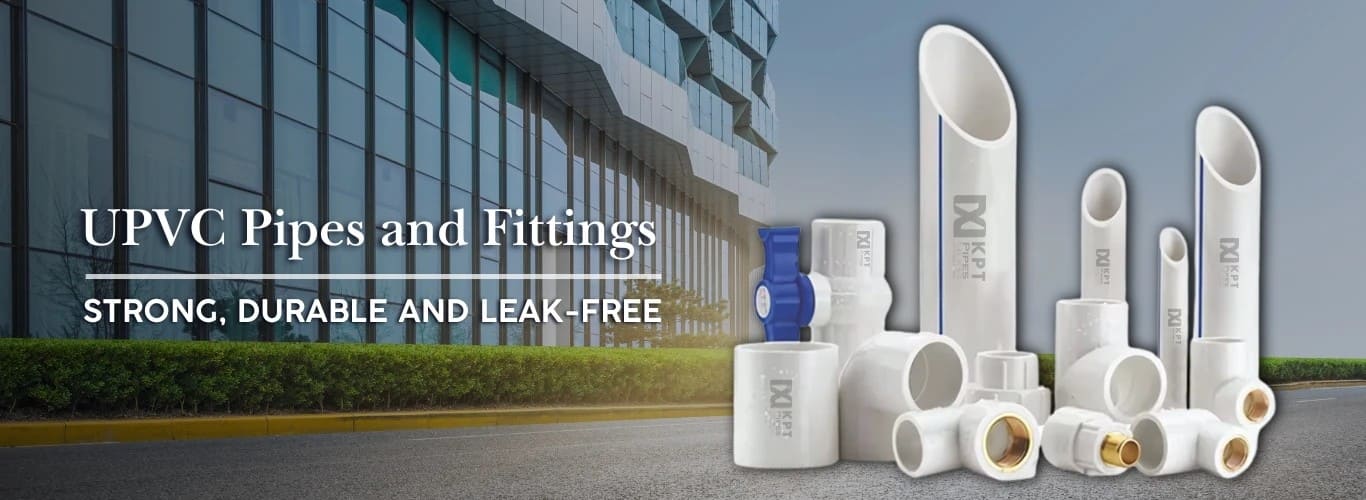
For buyers evaluating general UPVC piping products, KPT’s UPVC Pipes and Fittings page provides a broader overview of its product range.
Before making a purchase, review the product specifications and confirm that the selected pipe and fittings are suitable for the intended installation.
Common Mistakes to Avoid When Choosing a uPVC Pipe Manufacturer
Even when several manufacturers appear to offer similar products, overlooking important details can lead to poor purchasing decisions.
One common mistake is choosing pipes based only on price. Product dimensions, pressure ratings and application suitability should be compared before a decision is made.
Another mistake is assuming that all UPVC pipes serve the same purpose. A drainage pipe should not automatically be used for pressurised water supply, and an agricultural pipe should be selected according to its specific operating requirements.
Buyers should also avoid overlooking fittings compatibility. A piping system may require several specialised components, so checking their availability before ordering helps reduce procurement problems.
Finally, do not assume that a general quality claim is sufficient evidence of product suitability. Review the technical documentation, relevant standards and any required certification for the specific product.
Frequently Asked Questions About uPVC Pipe Manufacturers
1. How do I choose the right uPVC pipe manufacturer in India?
Compare manufacturers based on product specifications, applicable standards, manufacturing quality control, available sizes, compatible fittings and technical documentation. Make sure the products are suitable for the intended application.
2. What should I check before buying UPVC pipes and fittings?
Check the pipe type, dimensions, wall thickness, pressure rating where applicable, joining method, fittings compatibility and intended use. Also verify any relevant standards or certifications required for the project.
3. Are all UPVC pipes suitable for water supply and drainage?
No. Different UPVC pipes are designed for different applications. Pressure pipes are intended for specified pressurised applications, while SWR pipes are designed for soil, waste and rainwater drainage under their specified operating conditions.
4. What are UPVC SWR pipes used for?
UPVC SWR pipes are used to carry soil discharge, wastewater and rainwater through suitable drainage systems. They are commonly installed in residential and commercial buildings where the product specifications meet the drainage design requirements.
5. Why are fittings important when choosing a pipe manufacturer?
Fittings help connect pipe sections, change direction, create branches and complete the piping layout. Compatible fittings are important for correct installation and reliable system performance.
6. How can I compare prices from different UPVC pipe suppliers?
Compare quotations for products with equivalent specifications, including dimensions, wall thickness, pressure class where applicable, standards and quantities. Include fittings, delivery and installation requirements when evaluating total cost.
7. Which KPT Pipes product should I consider for building drainage?
For suitable soil, waste and rainwater drainage applications, review KPT’s Drainmate SWR Pipes and Fittings page and verify the product specifications against your project requirements.
Conclusion
Selecting the right uPVC pipe manufacturer involves more than comparing prices or choosing a familiar brand. Product specifications, manufacturing consistency, applicable standards, fittings compatibility and intended application all influence the suitability of a piping system.
By evaluating these factors before purchasing, contractors, builders, distributors and procurement professionals can make better-informed decisions and reduce the risk of selecting unsuitable products.
For drainage projects, it is particularly important to choose pipes and fittings designed for soil, waste and rainwater applications rather than assuming that every UPVC pipe is suitable for the same purpose.
Explore KPT Pipes’ UPVC Pipes and Fittings and Drainmate SWR Pipes and Fittings to review the relevant product ranges and identify solutions that match your project’s requirements.