
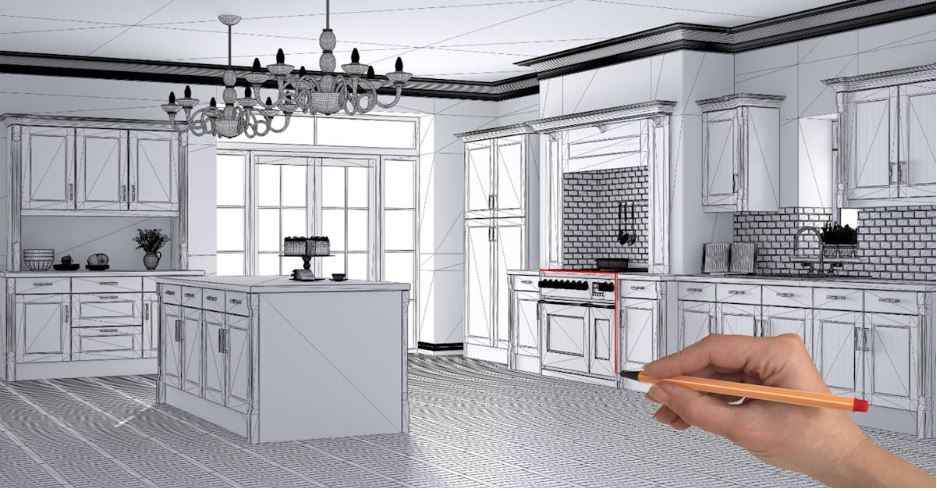
Proper cabinet sizing is one of the most crucial factors in creating an efficient and visually appealing kitchen. The dimensions of your cabinets not only influence how much storage you have but also affect workflow, ergonomics, and overall kitchen aesthetics. For Milwaukee homeowners, understanding cabinet sizing is essential for a successful remodel, whether you are updating an older kitchen or building a new one from scratch.
Standard Cabinet Dimensions
Base Cabinets
Base cabinets typically range from 34.5 to 36 inches in height, 24 inches in depth, and vary in width from 9 to 48 inches. These measurements are critical because they determine the countertop height and workspace. When choosing fabuwood cabinet sizes, it’s important to consider how these dimensions will complement your kitchen’s layout and the height of the people who use it most.
Wall Cabinets
Standard wall cabinets are generally 12 to 24 inches deep and 30 to 42 inches tall. The clearance above your countertops and below ceiling lines must be carefully planned. In Milwaukee kitchens, where ceiling heights can vary significantly, selecting the correct wall cabinet height ensures both accessibility and visual balance.
Tall Cabinets/Pantry Units
Tall cabinets or pantry units can reach up to 84 inches or more. Their height allows for maximum storage, but accessibility is a key concern. Using adjustable shelves and pull-out organizers can make tall cabinets more functional and practical, especially when integrating fabuwood cabinet sizes in a new kitchen design.
How Cabinet Sizing Affects Kitchen Workflow
Work Triangle Concept
An efficient kitchen relies on the work triangle, connecting the stove, sink, and refrigerator. Improper cabinet sizing can disrupt this triangle, creating congestion or awkward movement patterns. Consulting with an experienced kitchen contractor in Milwaukee ensures your cabinet layout enhances workflow rather than obstructing it.
Accessibility and Reach
Upper cabinets that are too tall can be difficult to reach, while lower cabinets that are too shallow limit storage. Selecting the correct cabinet heights ensures everyone in your household can comfortably access their contents without strain.
Clearance and Space Optimization
Spacing between cabinets, islands, and appliances is critical. At least 36 inches of clearance between counters and islands is recommended. Proper cabinet sizing helps maintain this spacing, improving both ergonomics and the overall feel of your kitchen.
Maximizing Storage with Proper Sizing
Drawer and Shelf Sizes
Deep drawers and adjustable shelves allow for versatile storage of cookware, utensils, and pantry items. Correct drawer height and depth prevent wasted space and make items easy to organize.
Specialized Storage
Incorporating pull-out trays, lazy Susans, and corner cabinet solutions increases storage efficiency. Milwaukee homeowners often find that integrating these features into fabuwood cabinet sizes maximizes both space and convenience.
Pantry Cabinets
Wide and tall pantry cabinets can store more food items and kitchen tools. The right dimensions improve accessibility and allow you to organize items logically, reducing clutter in your main cooking area.
Impact of Cabinet Sizing on Aesthetics
Proportions and Visual Balance
Cabinet height and width can dramatically influence the perception of space. Properly sized cabinets make your kitchen feel proportional and harmonious. For example, tall cabinets in smaller kitchens can feel overwhelming, while appropriately sized units balance the room.
Integrating Appliances
Cabinet sizing must accommodate appliances such as refrigerators, ovens, and microwaves. Failing to allow enough clearance can create installation problems and disrupt the overall look of the kitchen.
Open Shelving vs. Closed Cabinets
The choice of open shelving or closed cabinetry affects both style and function. Correct sizing ensures open shelves are visually balanced while providing adequate storage.
Custom vs. Standard Cabinet Sizing
Benefits of Standard Sizes
Standard cabinets are cost-effective and readily available. They are often easier to install and work well for kitchens with conventional layouts.
Advantages of Custom Cabinets
Custom cabinet sizing provides tailored solutions for unique kitchen spaces, optimizing both workflow and storage. Consulting with a Milwaukee kitchen contractor can help determine where custom sizing offers the most value in your renovation.
Common Mistakes in Cabinet Sizing
- Choosing cabinets too tall or shallow for daily use
- Ignoring appliance dimensions
- Overlooking ergonomic considerations
- Poor spacing between cabinets and work areas
Tips for Choosing the Right Cabinet Size
- Measure your kitchen carefully before ordering
- Consider household needs and cooking habits
- Consult a professional designer or kitchen contractor
- Combine standard and custom solutions for optimal results
Conclusion
Cabinet sizing directly affects both the efficiency and aesthetics of your kitchen. By choosing cabinet dimensions that suit your space and storage needs, homeowners in Milwaukee can create a kitchen that is functional, visually appealing, and tailored to their lifestyle. Proper planning and careful measurement help ensure that a kitchen remodel is not only beautiful but also practical and comfortable for everyday use for years to come.