
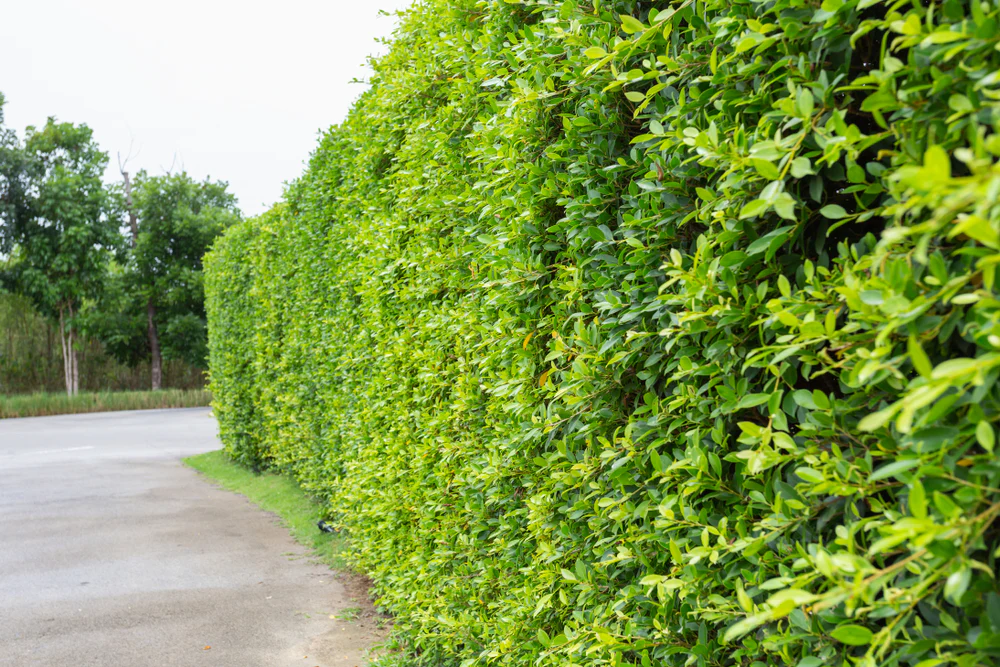
Urban landscaping has increasingly shifted toward plants that offer both aesthetic value and functional benefits, such as shade, privacy, and air improvement. Among these, Ficus nitida has become one of the most widely used ornamental trees due to its dense foliage and adaptability to different climates. In the middle of residential and commercial gardening choices, Ficus Nitida stands out as a reliable evergreen option that can transform outdoor spaces into structured, green environments without requiring excessive maintenance.
What is Ficus Nitida?
Ficus Nitida, also known as Indian laurel fig, is a fast-growing evergreen tree commonly used in landscaping projects. It belongs to the fig family and is recognized for its thick canopy, glossy green leaves, and ability to form dense hedges or shade trees.
This plant is particularly valued for its versatility. It can be shaped into decorative forms or allowed to grow naturally into a large tree. Because of its strong adaptability, it is frequently used in both residential gardens and public landscaping projects. Its ability to withstand pruning makes it suitable for structured designs such as privacy walls and green fences.
Ideal Growing Conditions for Ficus Nitida
Ficus Nitida thrives in warm climates with plenty of sunlight. It performs best in well-drained soil and requires moderate watering during its early growth stages. Once established, it becomes relatively drought-tolerant, making it suitable for low-maintenance landscapes.
Temperature plays an important role in its development. It grows best in regions with mild winters and consistent warmth. Exposure to full sunlight encourages dense foliage growth, while partial shade can also support healthy development in hotter regions.
Proper spacing is important when planting multiple trees, especially when used for hedging purposes. Without adequate spacing, root systems may compete for nutrients, affecting long-term health and growth.
Landscape Uses and Benefits
One of the primary reasons for the popularity of Ficus Nitida is its wide range of landscaping applications. It is commonly used as:
- Privacy hedges for residential properties
- Shade trees for gardens and parks
- Decorative green barriers in commercial spaces
- Windbreaks in open landscapes
Its dense foliage makes it highly effective for blocking visibility and reducing noise pollution. In addition, its fast growth rate allows it to establish functional coverage in a relatively short time compared to many other ornamental trees.
From an environmental perspective, it also contributes to improved air quality and helps reduce surrounding temperatures by providing natural shade. This makes outdoor spaces more comfortable, especially in warmer climates.
Care and Maintenance Requirements
Although Ficus Nitida is considered a low-maintenance plant, proper care ensures its long-term health and appearance.
Regular pruning is essential to maintain shape and control growth. Without trimming, the tree can become overgrown and lose its structured appearance. Pruning also encourages denser foliage, which enhances its effectiveness as a privacy screen.
Watering should be consistent during the early growth phase, but once established, the plant requires less frequent irrigation. Fertilization during growing seasons can improve leaf density and overall health.
Pest monitoring is also important. While generally hardy, occasional issues with insects such as aphids may occur. Early detection helps prevent damage and ensures healthy growth.
Common Challenges in Growing Ficus Nitida
Despite its advantages, there are a few considerations when planting Ficus Nitida. Its root system can become extensive over time, which means it should not be planted too close to buildings, pipelines, or paved surfaces.
Leaf drop may occur due to environmental stress such as sudden temperature changes or irregular watering. However, the plant usually recovers once conditions stabilize.
Another challenge is managing its growth rate. Because it grows quickly, regular maintenance is required to keep it in desired shape and size.
Choosing the Right Plant Source
Selecting healthy plants from a reliable source is crucial for successful growth. Quality nursery stock ensures better adaptability and long-term performance in landscaping projects. Many gardeners search for a plant nursery near me to find locally suited plants that are already acclimatized to regional conditions. Local nurseries often provide better guidance on soil requirements, climate suitability, and care instructions, making them a valuable resource for both beginners and experienced gardeners.