
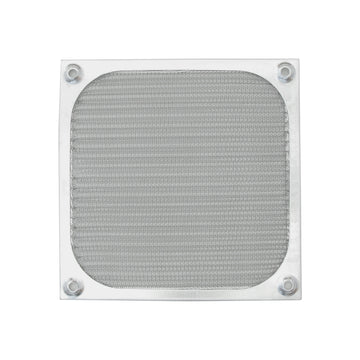
Effective cabinet cooling depends on more than selecting the right fan. A complete cooling setup often requires additional components to improve airflow, protect equipment, simplify installation, and maintain reliable performance. These components are commonly known as cooling fan accessories and can play an important role in electrical cabinets, industrial enclosures, control panels, automation systems, and electronic equipment.
From replacement filters and fan guards to thermostats, grilles, and mounting hardware, the right accessories can help create a more efficient and dependable cabinet ventilation system.
What Are Cooling Fan Accessories?
Cooling fan accessories are supporting components designed to work with enclosure fans and ventilation systems. They can help manage airflow, protect fans, filter incoming air, monitor temperature, and make maintenance easier.
Depending on the application, accessories may include:
- Replacement air filters
- Fan guards
- Protective grilles
- Filter fans
- Exhaust grilles
- Mounting hardware
- Temperature controllers
- Thermostats
- Louvers
- Fan covers
- Replacement fan assemblies
- Airflow accessories
Using appropriate accessories can help ensure that a cooling system continues to perform effectively in demanding environments.
Why Are Cooling Fan Accessories Important?
Industrial and electrical cabinets often operate in environments where dust, dirt, heat, moisture, and other contaminants can affect equipment. A basic fan may provide airflow, but additional accessories can improve the overall cooling arrangement.
For example, a filter can prevent dust from entering an enclosure, while a fan guard can help protect the fan from accidental contact or physical damage.
Accessories can also make routine maintenance easier. Replaceable filters, removable grilles, and suitable mounting components allow technicians to inspect and service cooling equipment more efficiently.
Replacement Filters for Cabinet Cooling
Filters are among the most common accessories used with enclosure ventilation systems. Their primary purpose is to reduce the amount of dust and airborne particles entering the cabinet.
A dirty or blocked filter can restrict airflow and reduce the effectiveness of the cooling system. For this reason, filters should be inspected regularly and replaced or cleaned according to the manufacturer’s recommendations.
Choosing the correct filter requires consideration of the operating environment. A relatively clean indoor environment may have different filtration requirements than a dusty manufacturing facility.
Proper filtration helps balance two important objectives: allowing sufficient airflow while reducing unwanted contaminants.
Fan Guards and Protective Grilles
Fan guards and protective grilles are designed to provide physical protection around fans and ventilation openings.
A fan guard can help prevent accidental contact with rotating fan blades while also helping protect the fan from objects entering the enclosure ventilation area.
Protective grilles can also contribute to a neat and professional installation. They are particularly useful in industrial environments where equipment may be exposed to tools, debris, or frequent maintenance activity.
Thermostats and Temperature Controllers
Temperature control accessories can help automate cabinet ventilation.
Instead of allowing a fan to operate continuously, a thermostat or temperature controller can activate the cooling system when the internal cabinet temperature reaches a selected level.
This approach can help reduce unnecessary fan operation and may extend fan service life in some applications.
Temperature controllers can be particularly useful when cabinet loads vary throughout the day. They allow the cooling system to respond to actual temperature conditions rather than operating at full capacity all the time.
Intake and Exhaust Accessories
Good airflow requires both an effective intake and a suitable exhaust path. Intake grilles, exhaust grilles, louvers, and filter assemblies can help establish this airflow route.
A typical system may draw cooler ambient air through a filtered intake and remove warm air through an exhaust fan or ventilation opening.
The placement of these components matters. Intake and exhaust points should be arranged to encourage air to move across heat-producing components instead of creating a short airflow path.
Proper airflow design can make a significant difference to overall cabinet cooling performance.
Mounting Hardware
Reliable installation is another important consideration. Mounting brackets, screws, clips, frames, seals, and other hardware may be needed to install cooling equipment securely.
A properly mounted fan should remain stable during continuous operation. Loose or poorly supported components can create vibration, noise, or mechanical problems.
Some cooling fan systems are designed for specific enclosure cutout dimensions, making compatible mounting accessories particularly important during installation or replacement.
Fan Covers and Enclosure Protection
In some applications, additional covers or protective components may be useful to shield ventilation equipment from environmental conditions.
The appropriate level of protection depends on the cabinet location and enclosure requirements. Industrial environments may require greater protection against dust, moisture, and other contaminants than clean indoor installations.
Accessories should always be selected according to the enclosure’s design requirements and the manufacturer’s specifications.
Choosing the Right Cooling Fan Accessories
Selecting accessories should begin with an assessment of the cabinet and its operating environment.
Consider the Cabinet Environment
Determine whether the enclosure is located indoors, outdoors, in a dusty facility, or near moisture or chemical exposure. Environmental conditions can influence filter selection, fan protection, and enclosure ventilation requirements.
Match Components to the Fan
Not every accessory is compatible with every cooling fan. Check dimensions, airflow requirements, electrical specifications, mounting arrangements, and manufacturer recommendations before purchasing replacement or additional components.
Consider Maintenance Requirements
If the cabinet operates in a dusty environment, filters may need frequent inspection and replacement. Choosing easily accessible filter assemblies can simplify routine maintenance.
Evaluate Airflow Requirements
Accessories should support, rather than restrict, the required airflow. A highly restrictive filter or improperly sized grille can reduce effective airflow and limit cooling performance.
Cooling Fan Accessories and Energy Efficiency
Energy efficiency is another consideration when designing cabinet cooling solutions. A fan that runs continuously may consume unnecessary energy when the cabinet does not require active cooling.
Temperature controllers, thermostats, and variable-speed solutions can help cooling systems respond to changing temperature conditions.
However, energy savings should not come at the expense of proper temperature control. Sensitive components must remain within their recommended operating range.
Maintaining Cooling Accessories
Regular maintenance helps keep a cabinet cooling system working efficiently.
Technicians should periodically inspect:
- Air filters
- Fan blades
- Fan guards
- Ventilation openings
- Mounting hardware
- Electrical connections
- Temperature controllers
- Grilles and louvers
- Signs of dust accumulation
- Unusual vibration or noise
A maintenance schedule should reflect the operating environment. Cabinets located in dusty industrial facilities may require more frequent inspections than equipment installed in clean environments.
When to Replace Cooling Accessories
Cooling components can wear out over time. Filters may become permanently clogged, fans may develop bearing or motor problems, and protective components can become damaged.
Warning signs that an accessory may require replacement include reduced airflow, unusual noise, excessive vibration, visible damage, overheating, or repeated temperature alarms.
Replacing a worn accessory promptly can help prevent a minor cooling problem from becoming a larger equipment issue.
Complete Cabinet Cooling Solutions
A successful cooling system combines the right fan with suitable accessories and proper airflow design. Depending on the application, a complete setup may include an intake filter, fan, exhaust grille, protective guard, thermostat, and mounting hardware.
For environments where ambient air is unsuitable for cooling, more advanced cabinet cooling solutions may be necessary. These can include enclosure air conditioners, heat exchangers, or closed-loop cooling systems.
The best solution depends on heat generation, ambient temperature, enclosure size, environmental conditions, and the required operating temperature.