
If you spend a lot of weekends at the range, you probably start paying attention to the little things. Gear that saves time. Equipment that keeps running without constant fixes. And somewhere along the way, a glock 19 extended magazine usually ends up on the shopping list. Not because it looks better, but because stopping every few minutes to reload gets old pretty fast. The real question is whether these magazines can actually handle frequent range sessions without becoming the weak link.
Why Extended Magazines Are Popular at the Range
A standard Glock 19 magazine works well. Nobody really argues with that. But during long practice sessions, constantly loading fifteen rounds gets repetitive. An extended magazine gives you more shooting and less time stuffing rounds back into the magazine.
That doesn’t automatically make it the better option though.
Some shooters use 17, 24, 31 or even 33-round magazines for drills because they can stay focused on shooting rather than reloading every couple of minutes. Others simply like working through defensive drills with fewer interruptions. Either way, convenience is usually the biggest reason people make the switch.
Range use is also different from concealed carry. You’re not worried about hiding the firearm. A longer magazine isn’t much of a disadvantage when you’re standing on a firing line.
Reliability Depends More on Quality Than Capacity
Here’s where people sometimes get things backwards.
The extra capacity itself doesn’t usually cause problems. Cheap manufacturing does.
A well-built extended magazine from a reputable manufacturer can run thousands of rounds with very few issues. Poorly made magazines, on the other hand, often create feeding problems, failures to lock back, or inconsistent spring pressure. Those issues aren’t caused by having more rounds. They’re caused by cutting corners.
Magazine springs, followers and feed lips all matter. Probably more than most shooters realise.
If those components are built correctly, reliability stays surprisingly consistent even after heavy use.
Frequent Range Sessions Put Everything to the Test
The range has a funny way of exposing weak equipment.
One afternoon might involve five hundred rounds. Maybe more. Dust gets everywhere. Magazines hit concrete during reload drills. They get stepped on, dropped into gravel, tossed into range bags and loaded over and over again.
That’s real wear.
A dependable extended magazine should survive that without suddenly becoming unreliable after a few trips.
Eventually every magazine wears out. Springs lose tension. Feed lips can bend. Followers collect dirt. That’s completely normal. The difference is how long it takes before those problems actually appear.
Good magazines usually give plenty of warning instead of failing out of nowhere.
Maintenance Still Matters
Some shooters expect magazines to work forever without attention.
That isn’t realistic.
Even quality magazines benefit from occasional cleaning. Dirt, burnt powder residue and small bits of debris slowly build inside the magazine body. If enough grime collects, feeding can become inconsistent.
Luckily maintenance isn’t complicated.
Disassemble the magazine every now and then, wipe the inside clean, inspect the spring for damage and check that the follower moves smoothly. Takes only a few minutes.
People often spend hours cleaning their pistol while completely ignoring the magazines. That’s backwards, honestly.
Many reliability complaints start with neglected magazines rather than the firearm itself.
Choosing the Right Capacity for Training
Bigger isn’t always better.
A massive magazine loaded to maximum capacity can become heavier than expected. Some shooters notice it changes the balance of the pistol slightly. Others don’t mind at all.
For regular practice, many people find moderately extended magazines offer a nice middle ground. Enough extra rounds to reduce reload frequency without making the handgun feel awkward.
It really comes down to your training style.
If you’re practising defensive reloads, sticking closer to standard capacity may actually make more sense. If you’re focused on competition drills or long strings of fire, extra capacity becomes much more useful.
Neither choice is wrong.
Testing Before Trusting
One mistake shows up again and again.
Someone buys a new magazine, loads it once, fires fifty rounds, then assumes it’s perfect forever.
That’s not enough testing.
Run several hundred rounds through any new magazine before relying on it for serious training. Use different ammunition if possible. Shoot fast. Shoot slowly. Drop the magazine during reload drills. Let it get dirty.
If it performs consistently through all of that, confidence comes naturally.
Equipment should earn trust.
Not receive it automatically because of a brand name.
Common Problems and How to Avoid Them
Most magazine failures aren’t mysterious.
Overloaded magazines can create unnecessary spring tension during the first few loading cycles. Weak aftermarket springs sometimes struggle to keep pace with rapid fire. Damaged feed lips can slightly change cartridge presentation, leading to feeding issues.
Fortunately, these problems are fairly easy to prevent.
Buy quality magazines. Replace worn springs before they become a problem. Avoid leaving damaged magazines in your training rotation just because they still “mostly work.”
Mostly reliable isn’t reliable enough.
Especially when you’re trying to build consistent shooting habits.
Matching Quality Parts Together
Magazine performance isn’t completely isolated from the rest of the pistol.
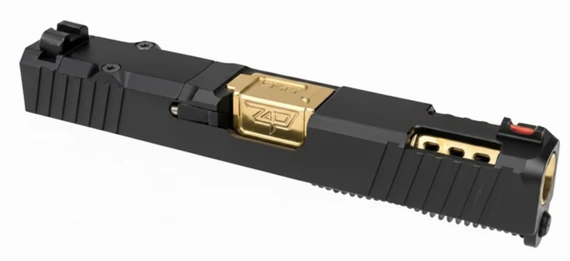
Reliable cycling comes from parts working together. A well-maintained Glock paired with quality magazines generally delivers excellent consistency over thousands of rounds. Many enthusiasts who customise their pistols also upgrade components such as zaffiri precision glock slides, not simply for appearance but to create a dependable shooting setup that runs smoothly during demanding practice sessions.
Final Thoughts
So, are Glock 19 extended magazines reliable for frequent range use?
Yes, provided you buy quality products, maintain them properly and actually test them before depending on them. Capacity alone doesn’t determine reliability. Construction quality does.
The shooters who experience the fewest problems usually aren’t doing anything fancy. They inspect their magazines, replace worn parts when necessary, keep them reasonably clean and avoid bargain-bin gear that promises everything for very little money.
At the end of the day, an extended magazine is just another tool. A good one can make long range sessions more enjoyable, reduce unnecessary interruptions and help you focus on improving your shooting instead of constantly reloading. That’s really where the value is. Not in having more rounds, but in having equipment that simply works when you expect it to.