
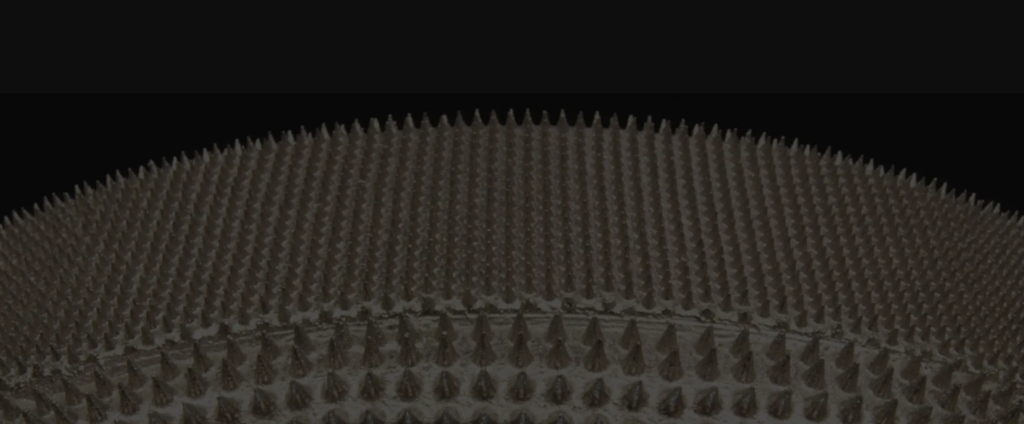
When it comes to precision material removal, surface finishing, and industrial shaping, the tools you choose can make all the difference. Whether you’re working with soft polymers, composite materials, or rubber-based products, selecting the right abrasive solution determines the quality and efficiency of your output. One tool that has become increasingly essential in industrial and manufacturing settings is the rubber grinding wheel — a specialized abrasive tool designed to deliver controlled, consistent material removal without damaging delicate surfaces. This guide breaks down everything you need to know about this tool — from its core design and types to its real-world applications and key advantages.
What Is a Rubber Grinding Wheel?
A rubber grinding wheel is an abrasive tool bonded with a rubber matrix rather than the more traditional vitrified or resin bond. The rubber bond acts as a cushion between abrasive grains, allowing for a more flexible and forgiving cut. This makes it particularly effective in applications where surface finish quality matters just as much as material removal rate.
These wheels are manufactured by mixing abrasive grains — commonly aluminum oxide or silicon carbide — with natural or synthetic rubber. The mixture is then vulcanized under heat and pressure to create a dense, uniform structure.
Common Types and Configurations
- Straight Wheels are the most common form, used for surface and cylindrical grinding operations on flat or round workpieces.
- Depressed Center Wheels are designed for angle grinders, offering flexibility for grinding welds, removing excess material, or smoothing rough surfaces.
- Cut-Off Wheels are thin discs used for slicing through materials with precision. The rubber bond here reduces vibration and chatter during cutting.
Key Industrial Applications
- Bearing and Roll Grinding — Rubber bonded wheels are frequently used in precision roll grinding operations. Their self-dressing nature and ability to maintain form under pressure make them ideal for cylindrical and taper grinding of metal rolls used in paper mills, steel plants, and printing industries.
- Rubber and Polymer Processing — These wheels are used to shape, trim, and refine rubber components, including gaskets, seals, and molded parts.
- Automotive and Aerospace — Surface finishing of sensitive components requires tools that won’t induce heat stress or micro-cracks. The cushioning effect of a rubber bond makes it safer for finishing hardened steel and titanium parts.
Why Choose a Rubber Bond Over Other Bond Types?
They generate less heat during grinding, which is critical when working on heat-sensitive materials. They also provide a smoother surface finish due to the elastic nature of the bond. The flexibility of rubber absorbs vibrations, reducing noise and operator fatigue during extended use. Additionally, rubber bonded wheels tend to be more resistant to moisture, making them suitable for wet grinding applications. A rubber abrasive wheel is also known for its self-dressing ability — as old abrasive grains wear down, fresh ones are exposed, maintaining consistent cutting performance throughout the wheel’s life.
Understanding Abrasive Grain Selection
The choice of abrasive grain directly affects the wheel’s performance. Aluminum oxide is the most commonly used grain for steel and ferrous metals, offering durability and a sharp cut. Silicon carbide, on the other hand, is preferred for non-ferrous metals, rubber, and stone due to its harder, more brittle structure that fractures easily to produce new sharp edges. An abrasive rubber tool designed with the correct grain type and grit size will not only perform better but will also extend its own service life significantly.
Conclusion
Its unique bonding structure, combined with the right grain selection and grit size, enables professionals to achieve results that harder bond types simply cannot match. Whether you’re working in heavy manufacturing or a precision finishing environment, understanding how these wheels work helps you make smarter tooling decisions. For those working in tire manufacturing or retread operations, pairing the right abrasive solution with pre-cured tread cutting tools ensures consistent performance and long-term efficiency across every stage of the process.