
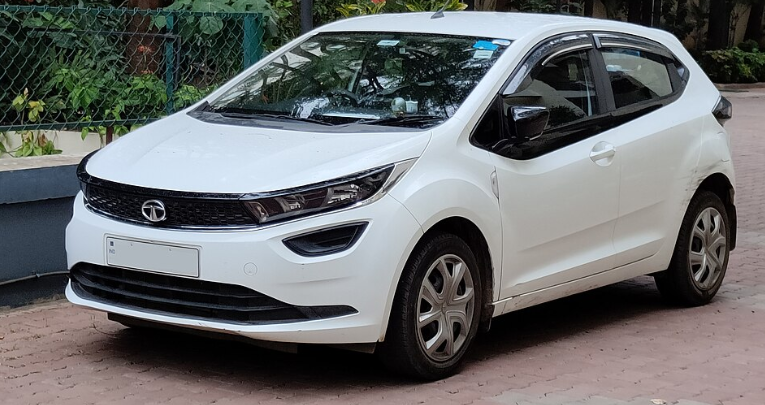
Fuel costs matter when the same car handles office journeys, errands and weekend visits every week. Among Tata cars, the Tiago’s factory-fitted CNG option offers a way to reduce reliance on petrol while retaining the compact dimensions needed for Indian streets. Its appeal rests on more than an impressive efficiency figure: buyers also need to consider boot design, local fuel access and the type of driving they do.
CNG suits a particular commuting pattern
The Tata Tiago CNG is most convincing for regular users who can refuel conveniently. A predictable daily route allows drivers to plan filling stops, whereas frequent trips into areas with few CNG pumps can remove that advantage. Factory integration is also preferable to assuming an aftermarket conversion has identical engineering, warranty terms or safety coverage. The exact model year and variant should always be checked before comparing equipment.
Tata Motors introduced automated manual transmission options for the Tiago and Tigor iCNG in 2024, widening choice beyond a conventional manual. That announcement quoted 28.06 km/kg under its certified test conditions for the relevant cars. A buyer in November 2026 should verify the certification applicable to the current variant rather than transferring an older figure to every version. Certified fuel economy is a controlled test result, not an observed city average.
Practicality is more than a mileage claim
Some Tata cars with CNG systems require buyers to make compromises around luggage or variant availability. The Tiago’s twin-cylinder arrangement is designed to use the space below a raised boot floor more efficiently than a single large cylinder occupying the centre. Families should still test whether a suitcase, folded pushchair or weekly shopping fits comfortably. Four adults and luggage may expose packaging limitations not obvious in photographs.
A Tata Tiago CNG test drive should include the roads a buyer actually uses. Stop-start traffic shows clutch effort and low-speed smoothness; uneven roads reveal ride comfort. If choosing an automated manual, pay attention to its shift behaviour in crawling traffic rather than judging it only on a short open-road stretch. Ask to try petrol and CNG modes where the dealer can demonstrate them safely.
Compare different fuel choices fairly
Petrol hatchbacks remain practical for lower annual mileage or areas without consistent CNG supply. An electric city car can be cheaper to energise when home charging is available, but charging access and initial outlay change the decision. Diesel powertrains are less commonly the natural choice in a small urban hatchback. The correct comparison considers travel distance, time spent refuelling and convenience alongside fuel bills.
The fuel comparison is best made around a person’s route rather than a generic ranking. A petrol hatchback is flexible when stations are spread out. An electric car becomes practical when charging is secure and regular. Factory CNG is a middle path for households with a convenient pump and predictable distance. None of these descriptions establishes a universal cheapest option.
These are broad ownership patterns rather than universal cost rankings. Local pump prices, electricity tariffs and vehicle efficiency determine the financial outcome in each household.
Maintenance and safety still need attention
Tata cars equipped for CNG use require owners to follow the manufacturer’s inspection and service schedule. Do not postpone checks of the fuel system or use unauthorised modifications. Routine maintenance also covers brakes, tyres, cooling and suspension, which have a greater effect on long-term reliability than a headline mileage figure. Confirm that the chosen trim has the required airbags, stability aids and child-seat provisions.
The Tata Tiago CNG is compact, but that should not become an excuse to skip rear-seat and visibility checks. A family using child seats must test installation and access. Drivers should assess outward visibility when parking beside tall SUVs and determine whether the turning circle suits their building’s ramp or a crowded street. These questions are relevant even when the running costs look attractive.
Work out the savings before committing
Take a realistic monthly distance and obtain local fuel prices on the same date. Divide expected kilometres by a cautiously chosen real-world efficiency estimate, then multiply by the relevant fuel price. Run the petrol calculation separately. Treat any efficiency used for planning as an assumption unless it comes from a documented test of the same version and route. The difference can be compared with any extra purchase outlay.
A second consideration is whether queues at CNG pumps add substantial time to the week. Someone travelling 1,800 km monthly may find the saving meaningful; someone driving 300 km may take years to recover a larger initial payment. Neither example proves one fuel choice is superior for everyone.
Owners should follow the instructions for safe CNG refuelling and avoid carrying unapproved fittings or making modifications to the fuel system. A maintenance record also helps future buyers. Confirm the service intervals and cylinder-related checks for the actual vehicle.
Decide whether the Tiago fits your routine
Review the available Tata cars by actual seating needs, transmission preference and operating area rather than sorting only by certified mileage. Check the current iCNG variant list, inspect its usable boot and estimate annual fuel costs with conservative assumptions. For commuters with dependable filling access and a suitable passenger load, it can be a sensible shortlist entry. Buyers needing more space should also sit in other vehicles before signing an order.