
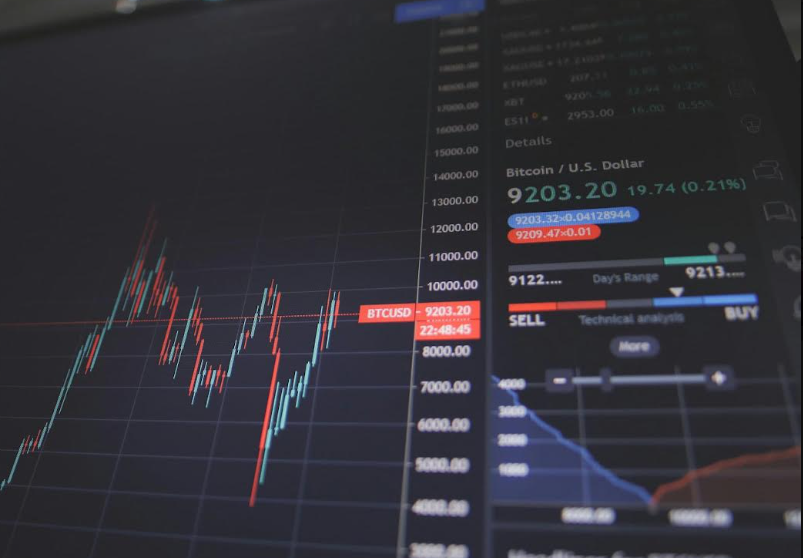
Exchanging dollars for pesos is familiar to Philippine households receiving remittances, paying overseas expenses or preparing for travel. The purpose is usually practical: one currency is needed instead of another. Searches for what is forex trading lead beyond that routine conversion into transactions intended to benefit from changes in exchange rates. The currencies may be familiar, but the financial arrangement can be quite different. Some transactions involve exchanging actual balances, while others create exposure through contracts without delivering currency for everyday use.
A currency pair gives the price of one currency when compared to the other. USD/PHP is the amount of PHP needed to convert to USD. When the quotation is increasing, it will need more pesos to acquire the dollar, and when it is decreasing, it will need fewer pesos to acquire the dollar. Trading also extends to pairs without the peso, such as the euro against the dollar. Philippine participants following those markets need to distinguish the movement of the selected pair from changes in its value relative to their domestic budget. A gain recorded in a foreign currency does not establish the final peso amount available after conversion and charges.
The product behind the quotation determines what the account holder actually acquires. A bank conversion can leave a customer holding dollars for a later payment. With a currency-pair derivative, gains and losses depend on how the exchange rate moves under the contract’s terms. Ownership, settlement and withdrawal arrangements differ between those transactions. A buy button beside a familiar currency symbol does not explain those details by itself. The provider’s specifications identify the exposure, position size and conditions for closing it. Access through an online platform also does not establish which company holds responsibility for the account.
An explanation of what is forex trading remains incomplete without the role of leverage. Margin can support exposure larger than the amount initially deposited, making relatively small exchange-rate movements financially significant. A hypothetical position equivalent to one hundred thousand pesos would change by approximately one thousand pesos after a one per cent movement, before costs and other currency effects. That calculation follows the exposure rather than just the opening payment. Losses can create additional funding pressure or trigger closure under the account’s rules. Spreads, commissions and overnight financing can further separate the chart’s movement from the result retained.
Daily life in the Philippines provides reasons to watch exchange rates without necessarily taking a speculative position. Remittance recipients, importers and households paying foreign tuition already face currency changes through their ordinary transactions. Speculative trading adds a deliberate exposure whose timing and size require separate consideration. International announcements can move quotations while Philippine participants are working or sleeping, and available prices can change before an order is completed. Historical charts and demonstration accounts can explain mechanics without establishing that future trading will be profitable. The distinction is therefore broader than exchanging money online rather than at a bank counter. Understanding the pair, contract, funding requirements and total costs reveals whether a transaction serves a payment need or creates an additional financial risk. That clarity gives Philippine beginners a firmer basis for interpreting what a trading platform offers.