
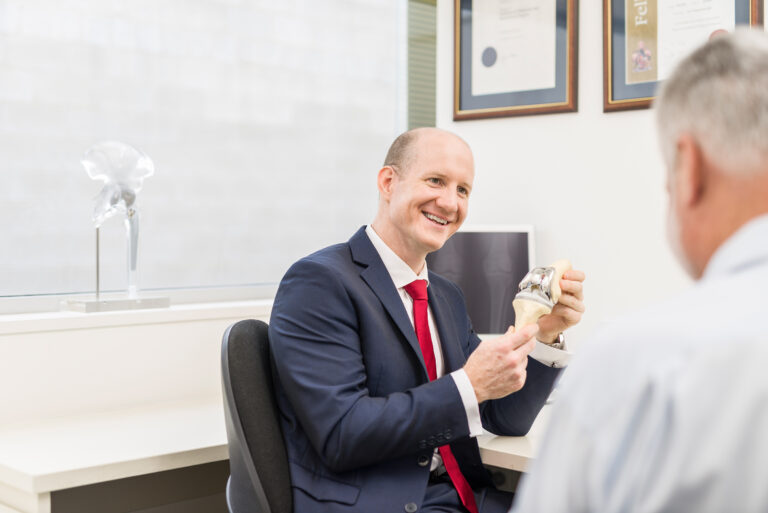
Returning home after knee replacement surgery marks an important stage in recovery. Daily routines gradually improve as mobility, strength, and confidence develop. Patients considering knee replacement in Adelaide benefit from understanding postoperative care before their procedure. Preparing a suitable living space, arranging support, and following rehabilitation guidance can support recovery. Individual progress varies according to health, mobility, and treatment needs. Clear communication with the surgical team helps patients establish practical expectations for their first weeks at home.
Preparing Your Home Before Knee Replacement Surgery
Preparing living spaces before admission supports safer movement after discharge. Clear walking routes provide space for mobility aids. Keep frequently used items within easy reach. A firm chair with armrests can assist with sitting and standing during early recovery.
Bathroom arrangements deserve particular attention during home preparation. A shower chair, suitable handrails, or raised toilet seat may benefit some patients. Arrange help with shopping, cooking, and transport as needed. Hospital staff can advise on equipment suited to individual mobility needs.
Managing the First Few Days at Home
Early recovery involves planned activity, symptom management, and sufficient rest. Practical measures include:
- Pain Management: Follow prescribed medication instructions and discuss any comfort or side-effect concerns with the treating team.
- Swelling Control: Apply cold therapy and position the leg as directed by hospital staff, allowing regular rest periods.
- Walking Support: Use recommended mobility aids and follow individual instructions on walking distances and weight-bearing.
- Daily Assistance: Arrange support for meals, household responsibilities, and transport to scheduled appointments during the initial recovery period.
A consistent daily routine helps patients manage treatment instructions while rebuilding confidence at home. Keep discharge paperwork accessible for reference.
Moving Safely and Managing Daily Activities
Safe movement techniques support independence during the transition from hospital care. Common recommendations include:
- Bed Transfers: Use the technique demonstrated by the physiotherapist, with appropriate support when moving between lying and sitting.
- Sitting and Standing: Select stable seating with armrests and place both feet securely before changing position.
- Stair Use: Follow the recommended stair sequence, using available handrails and assistance according to individual mobility requirements.
- Household Activities: Begin with manageable tasks and gradually increase participation as strength, balance, and endurance improve.
Patients can discuss specific movement challenges during physiotherapy appointments and adapt household routines accordingly. Regular practice can improve coordination.
Caring for Your Knee and Surgical Wound
Follow hospital instructions concerning dressings, showering, and incision care. Dressing schedules depend on the covering used and the surgeon’s recommendations. Maintain appropriate hand hygiene during any instructed wound care. Attend scheduled reviews to allow clinicians to assess healing progress.
Monitor the incision for increasing redness, drainage, or unusual swelling. Contact the treating team promptly if fever develops or pain worsens. Chest pain or sudden breathlessness requires urgent medical assessment. Early communication lets clinicians assess symptoms and recommend appropriate care.
Exercises and Physiotherapy During Home Recovery
Physiotherapy supports movement, strength, and gradual functional improvement. A prescribed home programme may include:
- Knee Movement: Practise recommended bending and straightening exercises to improve joint mobility for everyday activities.
- Muscle Strengthening: Perform prescribed thigh and hip exercises, increasing difficulty as advised by your therapist.
- Walking Practice: Gradually extend walking duration while maintaining a controlled pattern and using appropriate aids.
- Functional Progression: Introduce more demanding activities after assessment of strength, movement quality, and recovery milestones.
Rehabilitation differs from recovery after plantar fasciitis surgery because each procedure involves distinct movement and loading requirements. Individual guidance remains important throughout rehabilitation. Exercise intensity should reflect healing and clinical recommendations.
Understanding Recovery Progress and Follow-Up Care
Many patients improve mobility and everyday comfort over several weeks. Strength and endurance can continue to improve in the months that follow. Recovery timelines depend on overall health, prior activity levels, surgical factors, and rehabilitation participation.
Follow-up appointments allow clinicians to assess knee movement, healing, and functional progress. Patients can discuss walking aids, exercise adjustments, and personal activity goals. Scheduled reviews also provide opportunities to discuss persistent swelling. Writing down questions before appointments can help keep communication with the treating team clear.
Driving and returning to employment require individual consideration. Leg control, medication effects, job demands, and insurer requirements influence timing. Patients undergoing knee replacement in Adelaide can discuss local rehabilitation arrangements and suitable activity milestones with their clinicians.
Conclusion
Recovery at home following knee replacement involves preparation, appropriate movement, and rehabilitation. Suitable equipment and practical assistance support everyday activities during the early weeks. Wound care and scheduled reviews help clinicians monitor healing and address concerns as they arise. As strength and mobility improve, patients can gradually resume valued routines under professional guidance. Individual recovery plans remain important because personal health, surgical factors, and functional goals influence progress. Ongoing communication with healthcare professionals supports informed decisions throughout rehabilitation.