
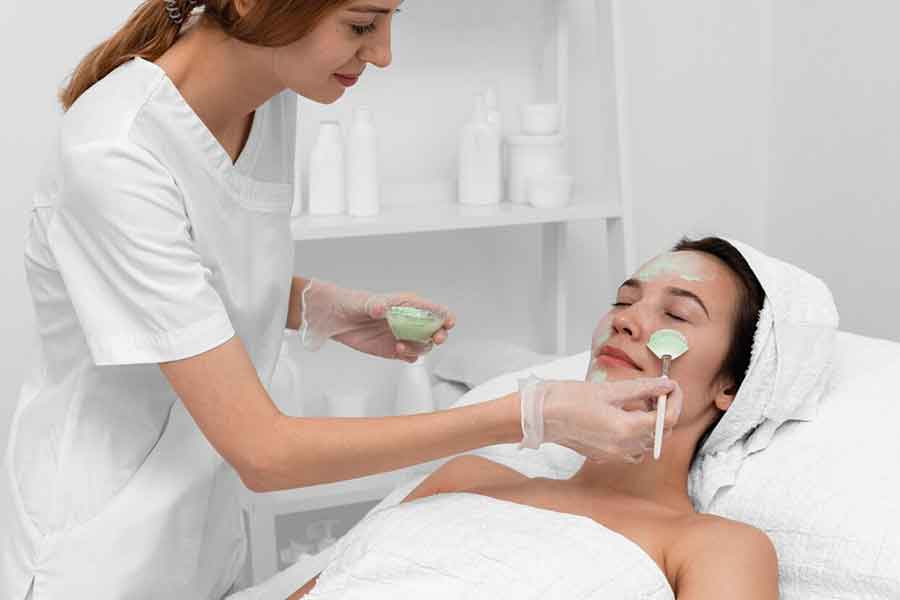
Skin whitening treatment has become a popular skin care option for people who want to improve uneven skin tone, reduce the appearance of dark spots, and achieve a brighter complexion. Sun exposure, acne marks, hormonal changes, and skin inflammation can all contribute to discoloration. These concerns may cause some areas of the skin to look darker than others.
A suitable skin treatment can help improve the appearance of pigmentation and support a more even complexion. However, healthy skin care should focus on treating discoloration rather than changing a person’s natural skin color. Every person has a natural skin tone, and safe treatment respects that tone while addressing specific concerns.
Professional skin whitening treatments use selected skin care ingredients and procedures to manage pigmentation. The right approach depends on the cause, depth, and extent of discoloration. A professional consultation helps determine which treatment options are suitable for the skin.
What Is Skin Whitening Treatment?
Healthy Skin Solutions refers to cosmetic procedures and skin care methods designed to reduce unwanted pigmentation and improve uneven skin tone. Many people also use the term skin brightening treatment to describe these services.
The skin produces melanin, a natural pigment that gives skin its color. Melanin also helps protect the skin against ultraviolet radiation. Certain factors can increase melanin production in specific areas, resulting in dark patches or spots.
Professional treatments aim to reduce the appearance of excess pigmentation while maintaining healthy skin. Some treatments use topical ingredients, while others involve controlled exfoliation or light based procedures.
A suitable treatment should consider skin sensitivity, medical history, and the possibility of post inflammatory hyperpigmentation. People with darker skin tones may have a higher risk of developing additional pigmentation after irritation, so careful treatment selection is important.
Common Causes of Skin Discoloration
Understanding the cause of pigmentation is important because different conditions require different treatments.
Sun Exposure
Sun exposure is a major cause of dark spots and uneven skin tone. Ultraviolet radiation stimulates melanin production. Over time, repeated exposure can cause sun spots and other visible changes.
The face, neck, hands, and arms often show these changes because they receive regular sunlight.
Daily sunscreen helps protect the skin and reduces the chance of existing pigmentation becoming darker.
Acne Marks
Acne can leave dark marks after pimples heal. These marks are known as post inflammatory hyperpigmentation. They occur when inflammation triggers additional pigment production in the affected area.
Picking or squeezing pimples can increase inflammation and make discoloration worse. Suitable acne treatment and gentle skin care can help prevent new marks.
Melasma
Melasma causes brown or gray brown patches, often on the cheeks, forehead, upper lip, and chin. Hormonal changes and sun exposure can contribute to this condition.
Melasma often requires ongoing management because pigmentation can return after treatment. A dermatologist can help identify suitable options and recommend long term sun protection.
Age Related Pigmentation
As people get older, years of sun exposure may lead to visible dark spots. These spots commonly appear on areas that receive frequent sunlight.
A professional should assess new or changing spots before cosmetic treatment. Not every dark spot represents ordinary pigmentation.
Skin Irritation
Harsh products, aggressive exfoliation, and unsuitable cosmetic treatments can irritate the skin. Inflammation may then trigger additional pigmentation.
A gentle routine and appropriate product selection help reduce this risk.
Types of Professional Skin Whitening Treatments
Different treatments address pigmentation in different ways. A qualified professional should recommend an option after examining the skin.
Chemical Peels
Chemical peels use selected acids to exfoliate the outer layers of the skin. Depending on the peel, they may improve mild discoloration, uneven texture, and certain types of acne marks.
Glycolic acid, lactic acid, and salicylic acid are examples of ingredients used in different peel formulations.
The strength and type of peel matter. Superficial peels generally involve less downtime than deeper procedures. Stronger peels carry greater risks, including prolonged redness, irritation, and pigmentation changes.
People should receive chemical peels from appropriately trained providers who understand skin type and treatment risks.
Laser Pigmentation Treatments
Certain laser treatments target pigment within the skin. The device and settings depend on the pigmentation concern and skin tone.
Laser treatment may help selected cases of sun spots and other forms of discoloration. However, melasma can respond unpredictably, and some laser procedures can make it worse.
A professional should explain the expected benefits, possible complications, and need for follow up care before treatment.
Topical Brightening Treatments
Topical products can help manage uneven skin tone over time. Dermatologists may recommend ingredients such as vitamin C, niacinamide, azelaic acid, or retinoids.
Each ingredient works differently. Vitamin C provides antioxidant support and can improve the appearance of discoloration. Niacinamide helps support the skin barrier and improve uneven tone. Azelaic acid can help manage acne related pigmentation and certain inflammatory skin concerns.
Retinoids encourage skin cell turnover but can cause irritation and increase sun sensitivity. A professional should guide their use, particularly for people with sensitive skin.
Professional Medicated Facials
Some professionally medicated facials include ingredients that support skin renewal and improve the appearance of dullness or mild discoloration.
A suitable facial may combine cleansing, controlled exfoliation, a targeted serum, and hydration. The treatment should match the person’s skin condition.
Facials generally address surface level concerns and cannot remove every type of deep pigmentation.
Glutathione and Skin Whitening Claims
Some clinics and products promote glutathione for skin whitening. However, evidence supporting its effectiveness and long term safety for this purpose remains limited.
Injectable glutathione carries additional safety concerns, and it should not be treated as a routine cosmetic whitening procedure. People should discuss any proposed treatment with a qualified medical professional and avoid unregulated injections or products.
Benefits of Professional Skin Brightening Care
Professional skin care can help address discoloration while supporting the overall condition of the skin.
The possible benefits depend on the treatment and the underlying cause. Some people notice improvements in mild sun damage, acne marks, and uneven texture.
A suitable treatment plan can also help people understand which ingredients work with their skin and which products may cause irritation.
Realistic expectations are important. Deep pigmentation and melasma often require ongoing management rather than a single session.
What Happens During a Skin Whitening Consultation?
A professional consultation usually starts with a discussion about skin concerns, previous treatments, allergies, and current skin care products.
The provider examines the affected areas and considers the likely cause of pigmentation. Skin type, sensitivity, and medical history help guide the treatment choice.
The professional then explains the proposed procedure, expected results, possible side effects, and aftercare requirements.
Some people may need a dermatologist’s assessment before cosmetic treatment. This is especially important when pigmentation changes suddenly, spreads quickly, or appears unusual.
How to Maintain an Even Skin Tone?
Daily care plays an important role in maintaining treatment results. Sun protection is one of the most important steps because ultraviolet exposure can worsen pigmentation.
A broad spectrum SPF 30 or higher sunscreen should be applied every morning. People who spend time outdoors should reapply it according to the product instructions and after swimming or heavy sweating.
A gentle cleanser helps remove dirt and excess oil without damaging the skin barrier. A suitable moisturizer supports hydration and reduces irritation.
People should introduce active ingredients gradually. Using several strong products together can damage the skin barrier and trigger more discoloration.
Who Can Benefit From Skin Whitening Treatment?
People with mild sun spots, acne marks, and uneven pigmentation may benefit from suitable brightening treatments. However, the ideal approach depends on the skin condition.
People with active infections, open wounds, severe irritation, or uncontrolled skin conditions may need to delay cosmetic procedures.
Pregnant or breastfeeding clients should discuss topical ingredients and procedures with their healthcare provider. Some treatments, including certain retinoids, are not suitable during pregnancy.
A professional assessment helps avoid treatments that may create additional skin problems.
Choosing the Right Skin Care Clinic
A good skin care clinic should provide a proper assessment before recommending any whitening procedure. The provider should explain the treatment ingredients, expected results, and possible risks.
Clients should avoid clinics that promise permanent whitening or dramatic changes in natural skin color. They should also avoid unregulated bleaching creams, products containing mercury, and unsupervised high strength steroid creams.
Safe treatment focuses on reducing unwanted pigmentation and improving skin health.
Conclusion
Skin whitening treatment can help improve the appearance of dark spots, acne marks, and uneven skin tone when professionals select suitable methods. Topical products, chemical peels, and certain laser procedures may support pigmentation management. Daily sun protection and a gentle skin care routine remain essential for maintaining results.
London Aesthetics is the best company for skin whitening treatments in DHA Phase 3, Lahore, and its surrounding areas. The clinic provides professional aesthetic services for people who want to improve their skin’s appearance through suitable treatment options. Contact London Aesthetics to discuss your pigmentation concerns and arrange a professional consultation.
Frequently Asked Questions
1. What is the main purpose of skin whitening treatment?
The main purpose is to reduce unwanted pigmentation, dark spots, and uneven skin tone. Safe treatment focuses on improving complexion rather than changing natural skin color.
2. How long does skin whitening treatment take to show results?
Results depend on the type of pigmentation and selected treatment. Some people notice gradual improvement within several weeks, while melasma and deeper pigmentation may require longer management.
3. Are chemical peels effective for dark spots?
Certain chemical peels can improve mild dark spots and uneven skin tone. The professional must select the correct peel strength according to skin type and sensitivity.
4. Is skin whitening treatment safe for all skin types?
Not every treatment suits every skin type. A consultation helps identify suitable options and reduce the risk of irritation or additional pigmentation.
5. Does sunscreen help maintain skin whitening results?
Yes. Sunscreen protects against ultraviolet exposure, which can worsen dark spots and uneven pigmentation. Daily sun protection is an important part of treatment.
6. Can skin whitening treatments permanently remove pigmentation?
No treatment guarantees permanent removal. Some pigmentation conditions, particularly melasma, can return. Ongoing skin care and sun protection help manage recurrence.