
Managing money is not always easy. Between monthly bills, everyday purchases, savings goals, and bigger financial decisions, it helps to have banking options that make life a little simpler. Whether you are opening your first bank account or planning to purchase a larger home, choosing the right financial products can make a real difference.
A free checking account is a practical starting point for managing everyday finances. It gives you a place to receive your income, pay bills, make purchases, and keep track of your spending without worrying about regular monthly maintenance fees. On the other hand, if you are thinking about buying a high-value property, jumbo loans may provide the financing needed to make that purchase possible.
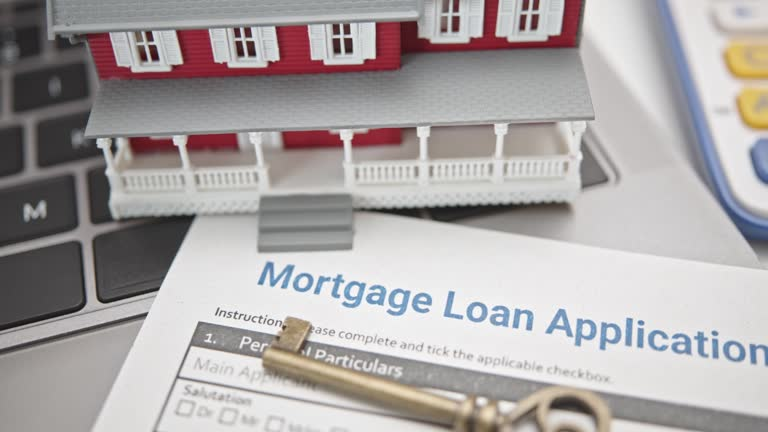
At first, these two financial products might seem unrelated. One is designed for everyday banking, while the other helps people finance expensive homes. But both are connected to the same goal: making better financial decisions and finding banking solutions that fit your needs.
Let’s take a closer look at how these options work and what you should consider before choosing them.
Why a Free Checking Account Makes Everyday Banking Easier
A checking account is something most people use almost every day. Your paycheck comes in, bills go out, and you use your debit card for groceries, shopping, gas, and other regular expenses. So, why pay a monthly fee just to access your own money?
A free checking account can help reduce unnecessary banking expenses while giving you access to useful everyday services.
Many banks offer checking accounts with different features, but the important thing is understanding what you actually need. Some customers want simple account access, while others prefer mobile banking, online bill payments, electronic statements, and convenient ATM access.
SouthStar Bank offers its Star Free Checking account for customers who want straightforward banking without a monthly maintenance charge. It includes unlimited transactions, no minimum daily balance requirement, online banking, bill pay, mobile check deposits, and eStatements.
There is a $100 minimum opening deposit, but no direct deposit requirement. That makes it a practical option for people who want to manage their money without dealing with unnecessary account conditions.
What Should You Look for When Choosing a Free Checking Account?
Not every checking account works the same way. An account advertised as free may still have certain charges for optional services or specific transactions. This is why reading the account details matters.
Start by checking the monthly maintenance fee. Ideally, you want an account that does not require you to maintain a particular balance just to avoid monthly charges.
Next, look at transaction limits. If you regularly use your debit card, write checks, or transfer money, unlimited transactions can make everyday banking more convenient.
Online and mobile banking are also worth considering. Nobody wants to visit a branch every time they need to check a balance or deposit a check. A good mobile banking service allows you to manage many routine tasks directly from your phone.
You should also pay attention to ATM access, electronic statements, bill payment options, and account security features.
One more thing: understand overdraft and insufficient-funds charges. A free account does not necessarily mean every possible transaction is free. Knowing these details beforehand can help you avoid unpleasant surprises later.
How Online and Mobile Banking Support Better Money Management
Banking has changed quite a bit over the years. People no longer want to spend their lunch break standing in line just to check whether a payment went through.
With modern online and mobile banking, everyday financial tasks are much easier to handle.
You can review transactions, monitor your account balance, transfer funds, and pay bills without visiting a physical location. Mobile check deposit is especially useful when you receive a paper check but do not have time to visit a branch.
These tools can also help you understand your spending habits. When you regularly review your transactions, it becomes easier to notice unnecessary expenses and plan your monthly budget.
For example, you might discover that several small subscriptions are taking more money from your account than you expected. Individually, they may not seem important. Together, they add up.
A checking account with convenient digital services can help you stay organized and make more informed decisions about your money.
However, convenience should never replace security. Use strong passwords, enable account alerts when available, and avoid accessing financial accounts through unsecured public networks.
Understanding Jumbo Loans and How They Work
Now let’s look at a different financial need: buying a home that requires more financing than a traditional mortgage can provide.
This is where jumbo loans come into the picture.
A jumbo loan is a mortgage that exceeds the conforming loan limit established for a particular year and location. Because the loan amount is higher than the standard conforming limit, it generally cannot be purchased or guaranteed by Fannie Mae or Freddie Mac under their usual conforming loan programs.
These mortgages are often used by people purchasing luxury homes, larger properties, or real estate in areas where home prices are particularly high.
For buyers who want a more expensive property, a jumbo mortgage can provide access to the financing they need.
But there is a catch. Larger loans usually involve a closer look at your finances. Lenders want to understand whether you can comfortably manage the monthly payments, even when the loan amount is substantial.
That means your income, credit history, existing debt, available assets, and overall financial situation may all play an important role.
Who Should Consider Jumbo Loans?
Jumbo financing may be worth exploring if you are planning to purchase a property that costs more than the applicable conforming loan limit.
For example, imagine you find a home that costs $950,000. After making your down payment, the mortgage amount you need may still be above the conforming limit for that location and year. In that situation, a jumbo mortgage could be one option to consider.
However, a higher-priced home does not automatically mean you need a jumbo loan. Your down payment and the applicable loan limits will determine which financing options are available.
These loans may be suitable for established professionals, growing families, self-employed borrowers, and people with strong financial resources who want to purchase a higher-value property.
Still, income alone does not tell the whole story. Having a good salary is helpful, but lenders also look at existing financial commitments. A borrower with a high income and significant monthly debt may face different qualifying conditions than someone with fewer obligations.
The best approach is to discuss your situation with an experienced mortgage lender before making a major commitment.
What Do Lenders Consider When Approving Jumbo Loans?
Applying for a larger mortgage requires preparation. Lenders generally need a clear picture of your financial position before deciding whether to approve the loan.
Your credit score is one important factor. A stronger credit history can help demonstrate that you have managed previous borrowing responsibly.
Your debt-to-income ratio is another major consideration. This figure compares your monthly debt payments with your gross monthly income. A lower ratio generally indicates that you have more room in your budget to manage another payment.
Lenders may also review your employment history, income stability, savings, and available cash reserves.
If you are self-employed, be prepared to provide additional documentation. Tax returns, bank statements, and other records may be needed to verify your income and financial stability.
The down payment also matters. A larger down payment can reduce the amount you need to borrow and may improve your overall loan terms, depending on the lender’s requirements.
It is important to remember that jumbo mortgage requirements are not identical everywhere. Different lenders have different underwriting standards, and the exact requirements depend on the loan program.
Free Checking Account and Jumbo Loans: Why Your Banking Relationship Matters
Here is something many people overlook. Your everyday banking relationship and your long-term financial plans are both important.
A free checking account helps you manage regular income and expenses. A mortgage helps you finance one of the biggest purchases you may ever make. Both require a financial institution that understands your needs and provides clear information.
Having a reliable banking relationship can make it easier to organize your finances, monitor cash flow, and communicate with banking professionals when you need assistance.
For example, if you are preparing to purchase a home, you may already be using your checking account to receive income, pay existing debts, and save for a down payment. Keeping your financial records organized can make the mortgage application process easier.
This does not mean that opening a checking account automatically improves your chances of qualifying for a jumbo mortgage. Loan approval still depends on the lender’s requirements and your financial qualifications.
What matters is finding a bank that offers useful everyday services along with lending options that match your goals.
Why Consider SouthStar Bank for Your Banking and Mortgage Needs?
Choosing a bank is about more than finding a place to deposit money. You want a financial institution that offers practical services and people who are willing to answer your questions.
SouthStar Bank has been serving Texas communities since 1920, with a focus on personal relationships, local banking, and flexible financial solutions.
Its Star Free Checking account offers convenient features for everyday money management, including online banking, mobile check deposits, unlimited transactions, and no monthly service charge.
For customers planning to purchase higher-value homes, SouthStar Bank also offers jumbo loans mortgage options. Its lending team can help borrowers understand available mortgage terms, financial requirements, and the steps involved in applying.
Having access to both personal banking and mortgage services through a community bank can be helpful when your financial needs change over time.
Of course, every customer’s situation is different. It is always worth discussing account features, loan conditions, interest rates, and applicable fees before making a decision.
Frequently Asked Questions
1. What is a free checking account?
A free checking account is a bank account that does not charge a regular monthly maintenance fee. It allows customers to deposit money, make payments, withdraw funds, and manage everyday transactions. Some accounts may still have other charges, so reviewing the account terms is important.
2. Does a free checking account require a minimum balance?
Not always. Some checking accounts have no minimum daily balance requirement. For example, SouthStar Bank’s Star Free Checking account does not require a minimum daily balance, although it requires a $100 minimum opening deposit.
3. What is the main purpose of jumbo loans?
Jumbo loans are designed to finance homes when the mortgage amount exceeds the applicable conforming loan limit. They are commonly used for higher-value residential properties and may offer financing options for buyers who need a larger mortgage.
4. Is it difficult to qualify for jumbo loans?
Qualifying can involve more detailed financial checks than some conventional mortgages. Lenders generally review credit history, income, debt-to-income ratio, savings, and available assets. Requirements vary by lender and loan program, so speaking with a mortgage professional is a good starting point.