
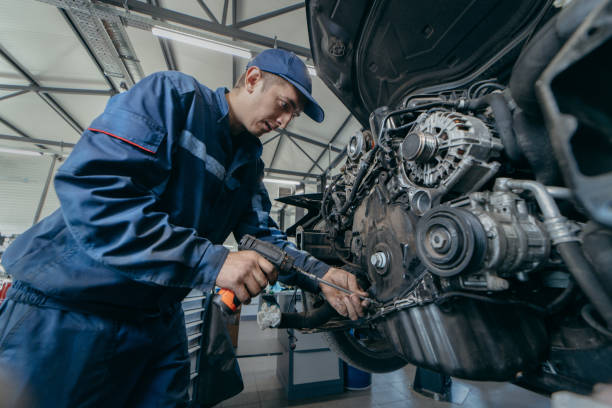
Walk through any truck stop at six in the morning and you will see why diesel mechanic jobs are not slowing down. Freight keeps moving, trucks keep getting older, and every engine out there needs someone who can tell a failing injector from a bad fuel pump by sound alone. Fleet owners hate seeing a rig parked in the yard because every idle day costs them money, so they pay well for techs who can get it back on the road fast. A lot of seasoned mechanics are retiring, and fewer young people are stepping into the trade to replace them. That leaves shops short handed in nearly every state. The work also reaches beyond long haul trucks. Buses, farm tractors, generators, tow trucks and construction equipment all run on diesel, so you are not tied to one industry if things get slow in another. Wages have followed that demand. Entry level techs can start earning right out of school, and experienced diagnosticians often command top dollar. Many also move into service manager or fleet maintenance roles later on.
What Shops Really Look For
Hiring managers in repair shops are usually practical people. They want to know if you can diagnose a problem, finish a job on time and show up the next morning. A certificate from a technical school helps, and ASE credentials can open doors, but a clean work history and real hands on time often carry just as much weight. When you write your resume, list the engines and systems you have worked on, like Cummins, Detroit or Cat, and mention any experience with electrical diagnostics or emissions systems. Employers hiring for diesel mechanic jobs also care about reliability, so gaps and short stints should be explained in plain words. Bring your own basic tools if you can, since many shops expect that on day one. If you hold a CDL, mention it. Being able to move a truck around the yard or road test a repair makes you more useful and sets you apart. If you are fresh out of school, talk about your lab hours, internships and any side repairs you did for friends or family. Honest effort goes a long way with a shop foreman who has read plenty of resumes that promise too much.
Where to Look Beyond Your Own Neighborhood
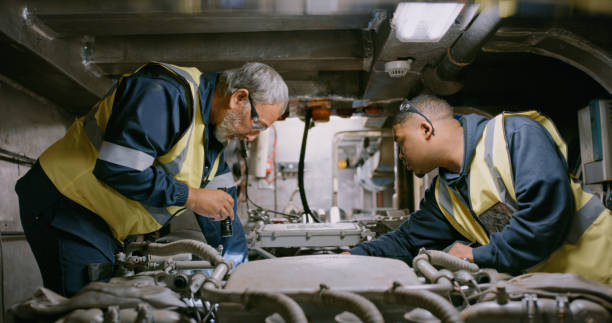
Most people start by driving past shops and asking for the owner. That works sometimes, but it keeps you in a small circle. Moving your search online widens the field a great deal. Job hiring websites let you filter by distance, pay range and shift, so you can compare ten shops in an evening instead of ten in a month. Some listings come from big fleets, others from dealerships or small independent garages that never put a sign in the window. Setting up alerts saves time too, because new postings often fill within days. Pair the online search with a few phone calls to local dealers and parts counters, since word of mouth still moves fast in this trade. Do not forget trade schools and union halls, which sometimes hold hiring events that never get advertised anywhere else. Keep a simple note of where you applied and who you spoke with so you can follow up politely after a week.
Getting More Out of Online Listings
Not every posting tells the full story, so read the details before you apply. Look at the listed duties, the type of equipment, and whether the shop works on heavy trucks, light duty vehicles or off road machines. A strong profile on job hiring websites should include your certifications, your tool list and a short summary of your best repairs. Recruiters scan quickly, so put the most useful details near the top. Searching for diesel mechanic jobs with specific terms like fleet, dealership or mobile service can surface openings you would miss with a broad search. Watch for red flags too, like vague pay, the same role being reposted again and again, or requests for money up front. A real employer will not charge you to apply. When a listing looks solid, tailor your resume to match it instead of sending the same copy everywhere. A few small changes show you read the posting and care about the job. Keep your phone number and email professional, and reply to messages quickly because shops move fast.
Pay, Shifts and Perks Worth Asking About
Before you accept an offer, get clear on the whole package. Hourly pay matters, but so do overtime rules, flat rate versus hourly pay, tool allowances and health coverage. Some shops pay by the job, which rewards fast workers but can punish you on tricky repairs. Others pay by the hour and give you steady income even when the work is slow. Night shifts often pay a premium, and mobile repair roles may come with a company truck. Ask about training too, since good employers help you earn new certifications on their dime. People who land diesel mechanic jobs at larger fleets often get better benefits and a clearer path to lead tech or shop foreman roles. Small shops can offer a closer team and more variety. Neither is better for everyone, so match the choice to what you want from the next five years. Do not be shy about asking for a written offer, because verbal promises have a way of changing. Write the details down so you can compare offers side by side without guessing.
Keeping Your Skills Sharp and Your Spirits Up
The trade moves quickly, so keep studying. Manufacturers release new software updates, and emissions rules change often. Short online courses, manufacturer training and shop mentors all keep you valuable. Find a mentor a few years ahead of you and buy them lunch now and then. The work is heavy though, and a sense of humor helps. Plenty of mechanics love the culture around trucking, from swapping stories at the parts counter to dressing up for Halloween. A trucker costume made from a flannel shirt, a cap and a pair of worn boots takes five minutes, and a truck driver costume with a reflective vest gets laughs in any break room. Some folks go bigger with a trucker halloween costume that includes a CB radio prop, and kids love a truck driver halloween costume built from an old work shirt. Talk about briley king hats comes up a lot when people discuss good looking caps, and the right hat finishes any outfit. That kind of fun keeps morale up, which matters because burned out techs leave. Staying healthy, rested and curious is the best long term plan for a career in diesel mechanic jobs.
Conclusion
The demand for diesel mechanic jobs is real, and the path to a good one is fairly simple. Build a solid resume, learn what shops value, use job hiring websites to widen your reach, and ask smart questions before you sign anything. Elite HR Careers helps job seekers connect with real employers, and anyone browsing elite jobs careers listings can find openings that fit their skills, including diesel mechanic jobs in many regions. Start today with one application, then send another tomorrow. Small steps add up faster than you expect, and the next shop that hires you might become the place you stay for years.
FAQ
How long does it take to get hired as a diesel mechanic?
Most people with some training or experience land an offer within a few weeks. Applying to many shops and following up quickly speeds things up.
Do I need a certification to get started?
Not always. Many shops hire apprentices and train them on the job, though ASE credentials and a technical school certificate improve your odds and your pay.
Are online job sites safe to use?
Yes, if you stay alert. Real employers never ask for payment to apply, and you should check a company name before sharing personal details.
What tools should I bring to an interview?
Bring a basic set of hand tools if the shop expects them, plus copies of your resume, certifications and a list of references.