
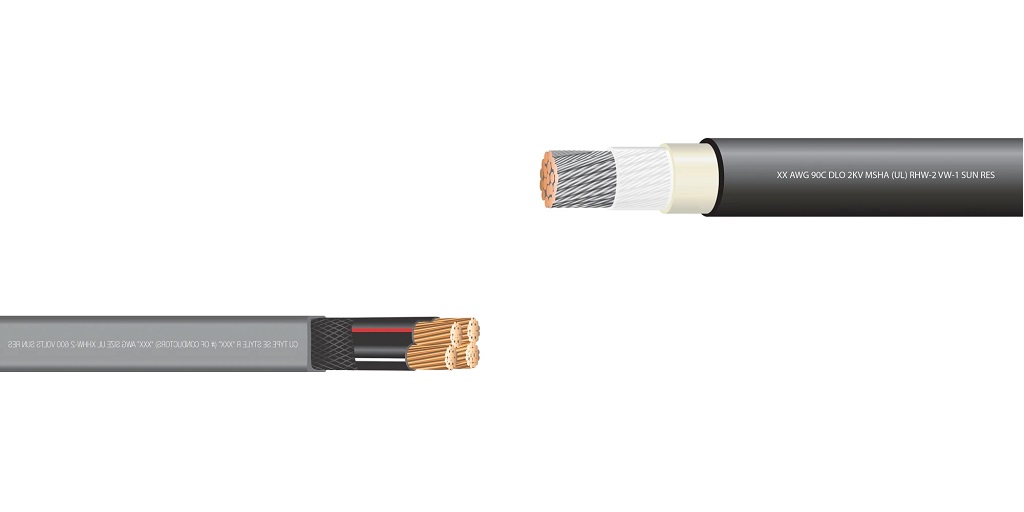
When cables are installed in complex electrical circuits, there are two main ways that this is executed: either the cable is drawn through a pipe-like structure called conduit, or else a special grade of cable called tray cable is laid in raceways called cable tray.
Though cable trays are becoming increasingly popular for the relative advantages they offer, there are still some reasons that conduit is preferred in some installations. This short post will take a closer look at both of them.
Why Conduit?
Conduit is a pipe-like channel or tube that is used to convey and protect utilities, chiefly electrical wire. It can be made of metal alloys, but it is also commonly made of polymers and plastics as well as fiberglass.
It is expensive to draw electrical wire and cable through conduit, and once installed it is difficult to access the electrical wire, but all the same, there are some significant advantages of using conduit.
For instance, conduit provides a much higher degree of protection to the enclosed cable against the elements. It is a shield against moisture, corrosive influences, extreme temperatures, and in certain installations it serves as a barrier against UV light. Conduit, depending on the materials, can also serve as a cage to shield against EMI, or electromagnetic interference.
Conduit also provides the highest level of physical protection against the enclosed electrical wire and cable, which tray cannot offer since tray is open on three sides, and sometimes perforated or open on the bottom as well.
Because of the robust protection afforded by electrical conduit, it is often the preferred choice when the installation is underground, or in a location that otherwise requires a higher degree of physical shielding.
Why Cable Tray?
While electrical conduit has its use cases and relative advantages, there are many unique advantages of cable tray as well.
For one, cable tray is open to the air, at least on one side. This alone makes it easier and more-cost effective to install tray cable in it. Since it is exposed, it also makes it easier to inspect the cables as needed, as well as to repair or replace them should that become necessary.
Being open to the air also means that cable tray affords a much higher relative degree of heat dissipation compared to conduit, which in and of itself can be a very significant advantage.
Cable tray is also a highly flexible, scalable solution. Trays can be added in or adjusted as needed since it is easier to install and far easier to lay tray cable than it is to draw cable through conduit. This makes tray preferred when the installation requires a degree of scalability down the line.
Here for Tray Cable?
If the reason you landed on this article is because you need a supplier of tray cable, visit EWCS Wire. They carry a wide range of specialty electrical wire and cable and tray cable is no exception. Visit their website and get in touch with them if you have any questions before you buy.
For more information about Electrical Wire Supply and Welding Cable For Sale Please visit: Electrical Wire & Cable Specialists.