
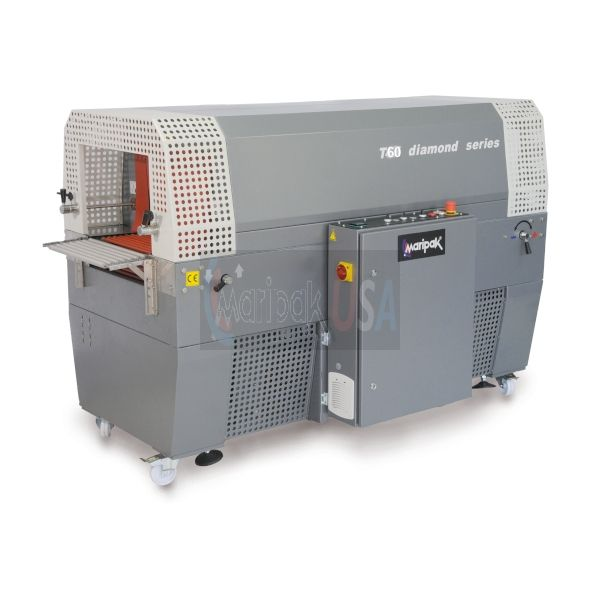
Packaging operations depend on consistent sealing, suitable film, and controlled heat to create neat, secure product bundles. A shrink tunnel supports this process by applying heat to shrink film around products after they have been wrapped and sealed. Different systems offer varying chamber sizes, conveyor widths, temperature controls, and production capabilities, making equipment selection an important part of packaging planning. Understanding how these machines work and which features matter can help businesses compare available configurations. From individual products to multipacks, the right setup depends on package dimensions, film requirements, production volume, and how the equipment integrates with the wider packaging line.
How Shrink Tunnel Systems Work
Shrink tunnels use controlled heat to make compatible shrink film contract around a product or group of products. Typically, products first pass through a wrapping and sealing stage before moving on a conveyor through the heated chamber. The film then conforms more closely to the packaged items as it responds to the applied heat.
Results depend on several factors, including film type, temperature settings, conveyor speed, package shape, and the quality of the initial seal. If the temperature is too low, the film may not shrink sufficiently. Excessive heat or an unsuitable processing time can affect the film or the packaged product. Operators therefore need to match machine settings to the materials and packaging format.
Key Features to Compare
Heat distribution is a central consideration when comparing equipment. Systems designed to circulate heat evenly help maintain more consistent results across packages. Adjustable temperature settings and conveyor speed also allow operators to adapt processing conditions to different film types and product dimensions.
Insulation is another relevant feature. A well-insulated chamber can reduce heat loss and influence energy consumption during operation. Control systems that allow operators to save or recall packaging settings can also make repeat production runs easier to manage.
Choosing the Right Size and Configuration
Machine dimensions should match the products moving through the packaging line. Conveyor width determines the space available across the belt, while tunnel opening height affects the maximum package dimensions that can pass through the chamber. Businesses should assess the largest expected package rather than selecting a machine based only on their most common product.
Chamber length and configuration also influence equipment suitability. Extended-length models provide additional tunnel space, while double-chamber systems use two heated sections. The appropriate arrangement depends on product characteristics, packaging requirements, and the desired production workflow.
When comparing a shrink tunnel, review the manufacturer’s technical specifications for conveyor width, opening height, working height, electrical requirements, and available options. These measurements help determine whether a machine will fit the existing facility and handle the intended package sizes.
Film Compatibility and Production Planning
Shrink films have different processing characteristics. Polyethylene (PE) and polyolefin (POF), for example, differ in their properties and common packaging applications. The film selected should suit the product, required package appearance, and sealing equipment. Machine settings must then be adjusted to the particular film and packaging format.
Production planning should consider more than advertised processing capacity. Actual output depends on package size, sealing speed, film type, conveyor settings, and the consistency of product feeding. A tunnel cannot necessarily achieve its highest stated throughput in every application.
Before choosing equipment, businesses should identify their typical package dimensions, daily production needs, film specifications, and available floor space. Confirming electrical requirements and compatibility with upstream sealing equipment can help avoid installation complications.
Conclusion
Selecting packaging equipment requires a clear understanding of product dimensions, film characteristics, heat control, and production targets. Comparing chamber configurations, conveyor measurements, control options, and integration requirements provides a practical basis for evaluating available systems. For operations exploring equipment for bundled products, a PE Bundler may be relevant to the broader packaging setup, depending on the application and line configuration. Reviewing technical specifications and confirming compatibility between the wrapping, sealing, and heating stages helps create a packaging process suited to actual production needs.