
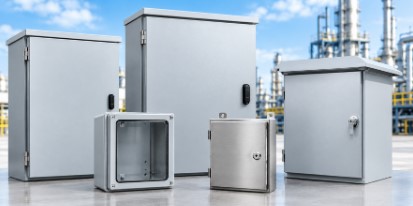
Electrical equipment rarely lives in a clean, dry, climate-controlled room. Panels, switches, and controls sit outdoors, in washdown areas, in dusty workshops, and in corrosive plants, and the housing around them decides how long they last. A shared system of classifications makes it easier to match a housing to its surroundings, and understanding NEMA enclosure ratings helps engineers, electricians, and facility managers avoid failures and code problems. Each rating describes the protection a housing provides against specific hazards, including dust, water, ice, oil, and corrosion. This guide explains who sets the standard, how to read the type numbers, how the ratings compare with other systems, and how to choose the right one for a given location.
What the Standard Covers and Who Sets It
The National Electrical Manufacturers Association publishes the classification system used across North America. Each type number defines tests that a housing must pass, covering protection of people from live parts and protection of equipment from environmental conditions. Knowing how NEMA enclosure ratings are defined means recognizing that they cover more than water resistance. They also address rust, icing, dust ingress, and exposure to oils and coolants. Because these are performance-based tests, two housings with the same type number should offer comparable protection regardless of manufacturer, which simplifies specification and replacement.
Reading the Common Type Numbers
Type 1 suits indoor use, protecting against incidental contact and falling dirt. Type 3R covers outdoor use, shedding rain and sleet while remaining undamaged by ice formation. Type 4 handles hose-directed water and windblown dust, and Type 4X adds corrosion resistance, which is why it is popular in food plants, coastal sites, and chemical areas. Type 12 protects against dust, dripping, and oil seepage in industrial interiors. When comparing NEMA enclosure ratings, remember that a higher number does not always mean better protection, since each type is built for different conditions. Matching the type to the hazard is what matters.
Materials, Sizes, and Housing Types
Protection also depends on construction. Painted carbon steel is economical for indoor and general outdoor use, while stainless steel resists corrosion in washdown and marine settings. Aluminum is lightweight and rust-free, and fibreglass or polycarbonate options resist chemicals and do not conduct electricity. Housings range from compact electrical junction boxes that protect wire splices and connections to large floor-standing cabinets holding drives and controls. Gaskets, hinges, latches, and cable entries all influence whether the finished installation actually meets its type rating, so every opening should use fittings suited to the same rating.
Comparing the Standard With Other Systems
Another common system is the IP code, which uses two digits to describe protection against solids and liquids. The two systems are related but not identical, because the NEMA tests also address factors such as corrosion, icing, and construction requirements that IP codes do not cover. Direct conversion tables exist, but they should be treated as approximate guides. Specifiers should check both labels when equipment is sourced internationally. Understanding these differences helps buyers interpret data sheets correctly, and clear knowledge of NEMA enclosure ratings prevents mismatched purchases that fail inspection.
Choosing the Right Rating for Your Site
Start by listing the hazards at the location: rain, hose-down cleaning, dust, oil mist, salt air, corrosive chemicals, or extreme temperatures. Decide whether the housing will be indoors or outdoors, and consider heat buildup from internal components, since sealed units may need ventilation or cooling accessories. Check local codes and any hazardous-area requirements, because explosive atmospheres call for separate approvals. Inspect seals and gaskets during routine maintenance, and replace them when they harden or crack. Selecting based on verified NEMA enclosure ratings rather than appearance protects equipment and keeps maintenance costs predictable.
Conclusion
Choosing a protective housing is a practical decision that affects safety, uptime, and compliance. Identify the environment, match it to the right type number, and confirm that every fitting and accessory supports that rating. Installers planning wiring layouts often start with electrical junction boxes, since those compact housings need the same attention to sealing and material as larger cabinets. Document the chosen type on drawings and labels so future crews understand the design intent. With careful selection and regular inspection, NEMA enclosure ratings become a dependable guide to keeping electrical systems protected for years.