
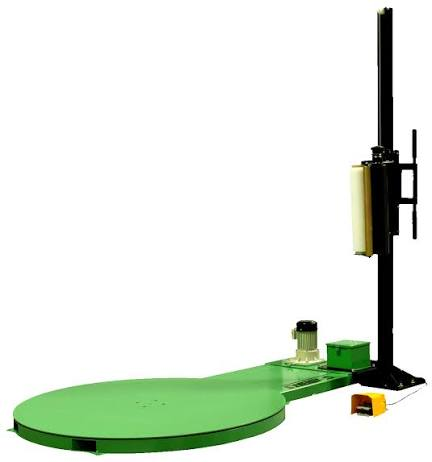
Efficient pallet wrapping plays an important role in protecting products during storage, transportation, and distribution. Stretch wrapping equipment secures palletized loads by applying plastic film around products to help maintain load stability and reduce exposure to dust and handling damage. A highlight industries pallet wrapper uses coordinated mechanical and control components to deliver consistent wrapping performance across different packaging applications. Understanding how these machines operate, which components influence wrapping quality, and how routine maintenance supports reliability can help warehouse operators, packaging teams, and maintenance professionals make better equipment management decisions.
Understanding How Pallet Wrapping Machines Work
A highlight industries pallet wrapper film around a loaded pallet through a controlled wrapping cycle. Depending on the equipment configuration, the pallet may rotate on a turntable, or a wrapping mechanism may travel around a stationary load.
Common pallet wrapping machine configurations include:
- Turntable wrappers: The pallet rotates while a film carriage moves vertically to cover the load.
- Rotary arm wrappers: A rotating arm moves the film delivery system around a stationary pallet, which can be useful for loads that are unstable or difficult to rotate.
- Orbital wrappers: Film travels around products or bundles through a ring-based wrapping mechanism, depending on the application.
- Mobile wrappers: Portable systems travel around stationary palletized loads and can accommodate certain handling environments.
The appropriate configuration depends on load dimensions, weight, stability, production volume, available floor space, and material-handling requirements.
Essential Components of a Pallet Wrapper
A wrapping machine relies on several interconnected components. Understanding their functions helps maintenance teams recognize performance problems and identify the appropriate replacement items.
Film Carriage and Stretch Mechanism
The film carriage supports and delivers stretch film during the wrapping cycle. Depending on the machine design, it may include rollers, braking mechanisms, pre-stretch assemblies, and film-holding components.
Highlight industries pallet wrapper mechanically before application, helping control film consumption and wrapping consistency. Damaged rollers, incorrect tension settings, or worn bearings can affect film movement and contribute to uneven wrapping.
Operators should inspect the film path and follow manufacturer guidance when adjusting tension or replacing carriage components.
Turntable, Motors, and Drive Systems
Turntable wrappers use drive components to rotate the pallet during wrapping. Motors, speed reducers, belts, chains, sprockets, shafts, and bearings may contribute to the movement system, depending on the model.
These components influence rotation consistency and machine performance. Excessive noise, unusual vibration, irregular movement, or visible wear can indicate a developing mechanical issue.
Drive components should be inspected according to the equipment’s maintenance schedule. Lubrication, tension adjustments, and replacement procedures must follow the manufacturer’s specifications.
Sensors and Control Systems
Sensors and electrical controls coordinate wrapping functions, including turntable movement, film carriage positioning, and cycle operation.
Limit switches, proximity sensors, control boards, wiring connections, and operator interfaces may all contribute to machine functionality. A damaged sensor or loose electrical connection can interrupt automatic cycles or produce inconsistent operation.
Troubleshooting should begin with the relevant operating manual, fault indicators, and approved diagnostic procedures rather than random component replacement.
Factors That Affect Wrapping Quality
Wrapping quality depends on the interaction between equipment settings, film characteristics, and load configuration. Even a properly functioning machine can produce inconsistent results when these factors are not properly controlled.
Film tension and pre-stretch: Excessive tension may deform cartons or damage sensitive products, while insufficient tension can result in loose containment. Settings should reflect film specifications and load requirements.
Wrapping patterns: Overlapping film layers help create containment around the pallet. The number of rotations, overlap, and reinforcement around the top and bottom should suit the load’s shape and stability.
Load arrangement: Products should be stacked evenly, with weight distributed appropriately. Unstable stacking, excessive overhang, and irregular surfaces can complicate film application.
Machine speed: Turntable speed and carriage movement should remain coordinated. Inappropriate speed settings can create inconsistent film coverage or place unnecessary stress on the load.
Evaluating these factors together helps identify whether wrapping issues originate from material selection, operating settings, load preparation, or equipment condition.
Preventive Maintenance for Reliable Machine Operation
Preventive maintenance helps identify developing equipment problems before they lead to unexpected production interruptions. The appropriate maintenance frequency depends on operating cycles, environmental conditions, and the machine manufacturer’s instructions.
A practical maintenance routine should include the following activities:
- Daily visual inspections: Check the wrapping area for debris, loose hardware, damaged cables, and visible mechanical problems.
- Roller and bearing inspections: Look for contamination, unusual wear, restricted movement, or signs of inadequate lubrication.
- Drive system checks: Inspect accessible belts, chains, sprockets, and other transmission components for wear or improper tension.
- Electrical inspections: Examine accessible connections and cables for visible damage, following approved electrical safety procedures.
- Safety device verification: Confirm that guards, emergency stops, and interlocks function according to the manufacturer’s procedures.
- Maintenance documentation: Record inspection dates, component replacements, recurring faults, and service activities.
Before maintenance, equipment must be isolated from hazardous energy sources using appropriate lockout/tagout procedures. Electrical and mechanical servicing should be performed by authorized, qualified personnel. Never bypass safety interlocks to keep production running.
Highlight Industries’ equipment manuals provide model-specific maintenance guidance, and their recommended schedules should take precedence over generalized inspection intervals.
Identifying and Replacing Worn Components
Replacement planning becomes easier when maintenance teams understand the symptoms associated with component wear.
Film breaks may relate to film quality, sharp load edges, incorrect tension, or problems within the film delivery mechanism. Irregular turntable movement may indicate drive issues, obstructions, or worn mechanical components. Repeated positioning faults can involve sensors, switches, wiring, or control settings.
Conclusion
Understanding the roles of mechanical drives, film delivery assemblies, sensors, and controls helps operators recognize developing problems and communicate more effectively with maintenance personnel. When sourcing replacement components, accurate identification and compatibility checks are essential for maintaining dependable operation. A structured inventory of machines parts, supported by equipment manuals and documented maintenance records, can help facilities plan repairs, reduce avoidable downtime, and maintain consistent packaging performance. Ultimately, regular inspections, correct operating procedures, and timely component replacement contribute to more reliable pallet wrapping operations.