
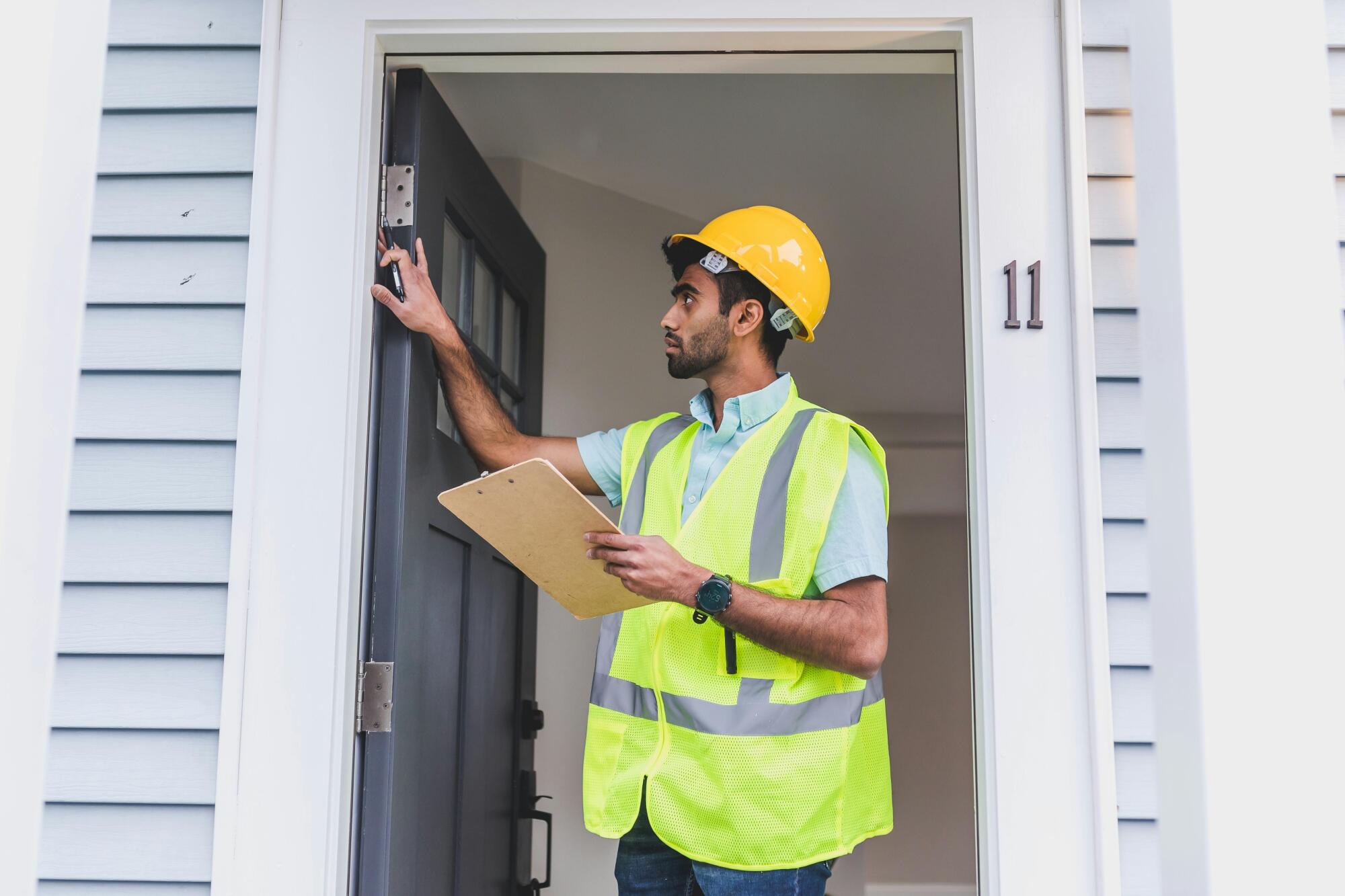
Buying or maintaining a home is a major responsibility that requires careful attention to the property’s condition. A house may look attractive during a viewing, but hidden problems involving the roof, foundation, plumbing, electrical systems, or heating and cooling equipment can lead to unexpected expenses. Professional home inspection services help buyers, sellers, and homeowners understand the visible condition of a property before making important decisions. A detailed inspection can identify potential concerns, highlight maintenance needs, and provide useful information about areas that may require further evaluation.
Why Every Home Needs a Proper Inspection
A home inspection gives property owners a better understanding of the building’s condition. Instead of relying only on its appearance, an inspector examines accessible areas and major components for signs of damage, deterioration, and maintenance issues. This information is especially useful for buyers who want to understand the property before completing a purchase.
Existing homeowners can also benefit from regular evaluations. Building materials naturally age, and household systems may develop problems over time. Small concerns, such as leaking pipes, damaged roofing materials, or poor drainage, can become more expensive when ignored. Professional home inspection services help identify visible warning signs and give homeowners an opportunity to plan repairs before problems become more serious.
What Do Home Inspection Services Cover?
A standard home inspection generally includes an evaluation of the property’s accessible structural components and major systems. Inspectors commonly review the roof, foundation, exterior walls, windows, doors, ceilings, floors, and accessible attic areas. They look for visible signs of damage, water intrusion, deterioration, and other conditions that may affect the home.
Interior systems are also important. These may include accessible electrical panels, visible wiring, plumbing fixtures, water heaters, heating and cooling equipment, and ventilation components. The inspector may identify damaged parts, signs of poor maintenance, or systems that require further assessment.
The exact scope depends on the inspection agreement and applicable standards. Specialized evaluations, such as mold testing, radon testing, pest inspections, and sewer camera inspections, may require separate services. Before booking home inspection services in Punta Gorda, clients should confirm which areas are included and understand any limitations.
Roof and Exterior Inspection
The roof and exterior protect a home from rain, wind, sunlight, and other environmental conditions. Damaged roofing materials can allow water to enter the building and affect ceilings, insulation, walls, and other interior areas. Inspectors may look for missing or damaged shingles, deteriorated flashing, visible leaks, and other signs of roof damage.
Exterior walls, windows, doors, gutters, and drainage areas also deserve attention. Cracks, damaged seals, peeling materials, and water stains may indicate maintenance concerns. Poor drainage around the property can contribute to moisture problems, particularly when water collects near the foundation.
A thorough inspection can help homeowners understand the condition of these components and determine whether additional evaluation is needed. Including these areas in home inspection services provides useful information about the building’s exterior protection and helps owners plan appropriate maintenance.
Checking the Foundation and Structural Components
The foundation supports the entire home, making its condition an important part of any property evaluation. Inspectors may examine accessible foundation areas, floors, walls, ceilings, and support components for visible cracks, uneven surfaces, water damage, or signs of movement.
Not every crack indicates a serious structural problem. Some may result from normal material movement or aging, while others may require further investigation. The location, size, pattern, and surrounding conditions can help determine whether specialist attention is appropriate.
A standard inspection does not replace a structural engineering assessment. If significant cracking, unusual movement, or other concerning conditions are observed, a qualified structural engineer may need to evaluate the property. Reliable home inspection services help identify visible warning signs and explain when additional professional advice is necessary.
Electrical and Plumbing System Evaluation
Electrical and plumbing systems play an essential role in a home’s safety and daily operation. An electrical inspection may involve checking accessible panels, outlets, switches, and visible wiring for signs of damage or potentially unsafe conditions. Inspectors may also identify components that should be examined by a licensed electrician.
Plumbing evaluations generally focus on accessible pipes, faucets, drains, fixtures, and water heaters. Water stains, corrosion, leaking connections, and drainage problems may indicate conditions that need attention. Inspectors may also observe whether accessible fixtures operate as expected during the inspection.
A general inspection does not involve dismantling every system or performing all specialized tests. When a problem is identified, a qualified electrician or plumber may need to conduct a more detailed assessment. Including these checks in home inspection services helps buyers and homeowners recognize visible concerns before they develop into larger maintenance problems.
Heating, Cooling, and Ventilation Inspection
Heating and cooling equipment affects indoor comfort throughout the year. During an inspection, accessible equipment may be reviewed for basic operation, visible damage, and signs of poor maintenance. Inspectors may also check accessible thermostats, filters, vents, and related components.
Ventilation is another important part of a healthy and comfortable home. Poor airflow and moisture buildup can contribute to condensation and other indoor problems. Inspectors may look for visible ventilation concerns in bathrooms, kitchens, attics, and other accessible spaces.
A standard inspection is not necessarily a complete technical evaluation of HVAC equipment. If a system shows signs of malfunction, a qualified HVAC technician may need to perform additional testing. Professional home inspection services help identify concerns and guide homeowners toward the right type of follow-up evaluation.
Preparing for a Home Inspection
Preparing the property can help the inspector complete the evaluation more efficiently. Homeowners should make sure there is reasonable access to important areas, including electrical panels, water heaters, heating equipment, attic entrances, and other accessible components. Removing stored items from access points can help prevent unnecessary delays.
It is also useful to share information about known problems, previous repairs, renovations, and maintenance work. Service records and receipts may provide helpful background about the property’s condition. Homeowners should confirm that utilities are available when required by the inspection agreement.
If you are buying a property, arrange the appointment early enough to meet any inspection deadlines in your purchase agreement. Scheduling home inspection services promptly gives you time to review the report and arrange additional evaluations if necessary.
Understanding the Home Inspection Report
After the inspection, clients generally receive a written report describing the inspector’s observations. It may include photographs, explanations of visible defects, maintenance recommendations, and notes about areas that could not be accessed. Reviewing the report carefully helps buyers and homeowners understand the property’s condition.
Not every observation represents a major defect. Some findings may involve normal wear, aging materials, or routine maintenance. Others may relate to water intrusion, safety concerns, damaged components, or systems that do not appear to function properly. Significant concerns may require further evaluation by a qualified specialist.
A useful report should explain findings in clear language and distinguish visible conditions from issues that require additional testing. A good provider of home inspection services should also be available to answer reasonable questions and explain important observations.
Choosing the Right Home Inspection Company
Selecting a qualified inspector is important because the quality of the evaluation can influence major property decisions. Look for someone with relevant training, practical experience, and knowledge of applicable inspection standards. Licensing and certification requirements vary by location, so check the rules that apply in your area.
Before booking, ask about the inspection scope, expected duration, reporting process, and any additional charges. Reviewing a sample report can help you understand how the inspector documents findings and whether photographs and clear explanations are included. You should also ask how inaccessible areas and inspection limitations will be recorded.
When comparing home inspection services, consider the full value of the evaluation instead of choosing only by price. A clear inspection agreement, detailed reporting, and good communication can help you get more useful information about the property.
Make Better Decisions With Professional Home Inspections
Understanding a home’s condition is important whether you are buying, selling, or maintaining a property. A careful evaluation can identify visible concerns involving the roof, foundation, electrical systems, plumbing, heating and cooling equipment, and other major components. It can also help homeowners prioritize repairs and plan future maintenance.
Choosing suitable home inspection services gives buyers and property owners valuable information before making important decisions. Before scheduling, confirm what the inspection covers, review the provider’s qualifications, and ask what the final report will include. Taking time to understand the findings can help you manage repair costs and protect your investment.
Every property has different requirements, and no inspection can guarantee that all hidden defects will be discovered. However, a thorough review of accessible areas can provide a clearer picture of the home’s visible condition. With proper preparation and a practical understanding of the report, you can make informed decisions and maintain a safer, more comfortable home.