
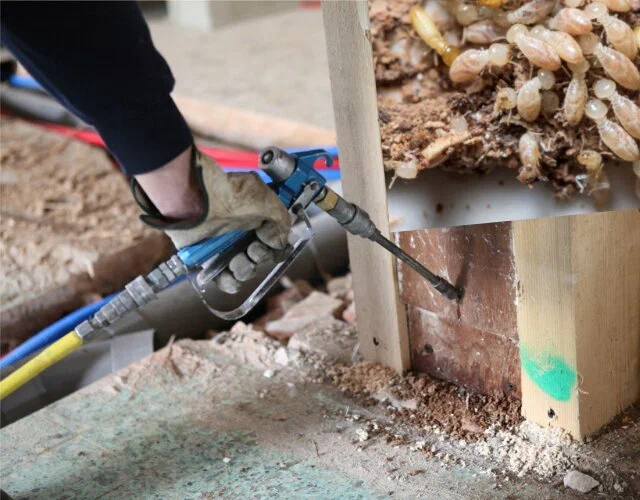
Termites can cause serious damage to homes and commercial buildings because they feed on wood and other materials containing cellulose. Their activity often takes place inside walls, beneath floors, or within wooden structures, making an infestation difficult to notice during its early stages. By the time visible damage appears, termites may have already affected furniture, flooring, door frames, and other important parts of a property. Termite control services help property owners identify termite activity, select suitable treatments, and reduce the risk of further damage. Regular inspections and timely action can protect valuable materials and help maintain the condition of a building.
Why Termite Protection Matters
Termites are not simply insects that damage wooden furniture. Certain species can affect structural timber, support materials, flooring, and other components of a building. Their feeding activity may weaken wooden surfaces over time, leading to expensive repairs if the infestation remains untreated. Because termites often stay hidden, property owners may not realize how widespread the problem has become until they notice visible signs.
Early detection makes termite management easier. A proper inspection can identify areas of concern and help determine whether termites are active or whether existing damage is from an older infestation. Professional treatment focuses on the source of the problem and the conditions that allow termites to survive. Using appropriate termite control services in Riverside can help homeowners and business owners protect their properties before further damage occurs.
Common Types of Termites
Different termite species have different nesting habits, feeding patterns, and treatment requirements. Subterranean termites usually live in underground colonies and travel through soil or protective mud tubes to reach wooden materials. They may enter buildings through foundation cracks, gaps around pipes, or concealed openings. Because their colonies can be located outside the building, treating only visible damage may not solve the problem.
Drywood termites establish colonies inside dry timber and do not need regular contact with soil. They can infest furniture, wooden frames, cabinets, and other timber products. Dampwood termites are generally associated with wood that has high moisture content, such as timber affected by leaks or poor drainage. Identifying the termite species is an important part of selecting an appropriate treatment plan.
Signs of a Termite Infestation
Termite activity can remain hidden for long periods, but several warning signs may indicate a problem. Mud tubes along foundations, walls, or wooden surfaces can suggest subterranean termite activity. These narrow structures provide a protected route between the colony and its food source. Discarded wings near windows, doors, or light sources may also indicate that reproductive termites have entered or emerged from a nearby colony.
Other signs include hollow-sounding wood, damaged furniture, blistering paint, and small piles of termite droppings. Drywood termites may leave tiny pellet-like droppings near infested timber. Doors and windows that become difficult to operate can sometimes indicate changes in wooden frames, although moisture and other building issues may also cause this problem. A professional inspection can help confirm whether these signs are connected to an active infestation.
How Professional Termite Inspections Work
A detailed inspection is usually the first step in managing termites. A technician examines areas where termites may enter, feed, or establish colonies. Depending on the property, this may include foundations, basements, crawl spaces, wooden flooring, roof structures, storage rooms, and areas affected by moisture.
The inspection may involve checking timber for damage, looking for mud tubes, examining discarded wings, and identifying possible entry points. Moisture-prone areas and places where wood comes into contact with soil may receive additional attention. Specialized tools may also be used when termite activity is suspected inside concealed spaces. After the inspection, the provider should explain the findings and recommend termite control services suited to the building’s condition and the type of termite involved.
Effective Termite Treatment Methods
The right treatment depends on the termite species, colony location, infestation level, and property design. Subterranean termite problems may require soil treatments, baiting systems, or other approved methods designed to control colony activity and protect the building. These approaches aim to address the infestation beyond the termites that are immediately visible.
Drywood termite infestations may require localized treatment or more extensive professional methods, depending on how widely the insects have spread. In some cases, severely damaged wooden materials may need to be repaired or replaced after treatment. A qualified provider should explain why a particular method is recommended, which areas will be treated, and whether follow-up inspections are necessary. Effective termite control services should address the infestation rather than simply covering visible damage.
Protecting Wooden Furniture and Building Materials
Wooden furniture, cabinets, flooring, doors, and window frames can all become vulnerable when termites have access to suitable materials. Property owners can reduce some risks by keeping wooden items dry and addressing moisture problems promptly. Leaking pipes, damaged drainage systems, and poor ventilation can create conditions that attract certain termite species.
Avoid storing untreated timber, cardboard, and other cellulose materials directly against damp walls or on bare soil. Keep firewood raised off the ground and away from exterior walls. Remove unnecessary wood scraps and dead tree stumps from areas close to the building. Regularly check furniture and exposed wooden surfaces for signs of damage. These steps support professional treatment and help reduce conditions that may encourage termite activity.
Choosing the Right Termite Treatment Provider
Selecting a suitable provider is important because termite infestations often involve hidden areas and specialized treatment methods. Look for a company that conducts a proper inspection, identifies the likely termite species, and explains its recommendations clearly. Ask about technician qualifications, relevant licensing requirements, treatment products, safety precautions, and experience with similar properties.
Before confirming the work, request a written estimate that explains the inspection findings, treatment areas, preparation requirements, and follow-up arrangements. Find out whether the agreement includes monitoring visits or additional treatment if activity continues. A dependable provider should explain the limitations of the proposed method and avoid promising permanent results from a single visit. Comparing termite control services based on inspection quality, treatment details, and ongoing support can help you make an informed decision.
Understanding the Cost of Termite Treatment
The cost of termite treatment varies according to several factors. Property size, termite species, infestation severity, accessibility, and treatment methods can all influence the final price. A localized infestation affecting one wooden item may require less work than a problem involving foundations, flooring, or multiple rooms.
Some properties may need specialized equipment, extensive treatment, or follow-up monitoring. Before agreeing to a service, ask for an estimate that separates inspection fees, treatment costs, and any additional charges. Confirm whether the quoted price includes repeat visits or a monitoring period. Comparing the full scope of different termite control in Riverside helps property owners understand what they are paying for instead of focusing only on the lowest initial price.
Preventing Future Termite Problems
Preventive maintenance is an important part of protecting a property from future termite activity. Repair leaking taps and pipes, keep gutters clear, and direct rainwater away from the building’s foundation. Improve ventilation in enclosed spaces where appropriate and avoid allowing soil or stored materials to cover areas that need regular inspection.
Check wooden structures periodically for damage, particularly where timber touches soil or remains exposed to moisture. Remove dead wood and unnecessary cardboard from storage areas, and keep outdoor materials properly organized. If the property has previously experienced an infestation, follow the provider’s recommendations for monitoring and additional inspections. Combining these habits with appropriate termite control services can help identify new activity before it causes extensive damage.
Keep Your Property Protected From Termites
Termites can threaten the condition of a building by damaging wooden furniture, flooring, frames, and structural materials. Since their activity often remains hidden, recognizing warning signs and arranging inspections can make a significant difference. Addressing moisture problems, maintaining wooden surfaces, and removing conditions that attract termites are also important steps in protecting a property.
Professional termite control services provide a structured way to identify infestations and apply treatments suited to the affected building. Before choosing a provider, discuss the inspection findings, treatment options, safety requirements, and follow-up schedule. With early attention and consistent preventive maintenance, homeowners and business owners can reduce the risk of recurring termite problems and protect their valuable property.