
Here’s the thing nobody tells you when you start planning. Guests will forgive mediocre food. They’ll forgive a late band. They won’t forgive a nasty bathroom line. If you’re hosting a wedding, a job site, a block party or a festival, portable restroom rental is one of those line items that quietly decides how the whole day feels. People remember it. And if you’ve ever stood in a forty-minute line at a county fair, you know exactly what I mean.
Most first-time planners guess. They figure a handful of units will do, call a company the week before, and hope. That’s how you end up short. Some folks step up to a nicer setup, like portable restroom trailer rental, once they see how guests react to the basic stuff. Either way, you need to understand what you’re actually buying before you sign anything, so let’s walk through it without the sales talk.
What You Actually Get With a Standard Unit
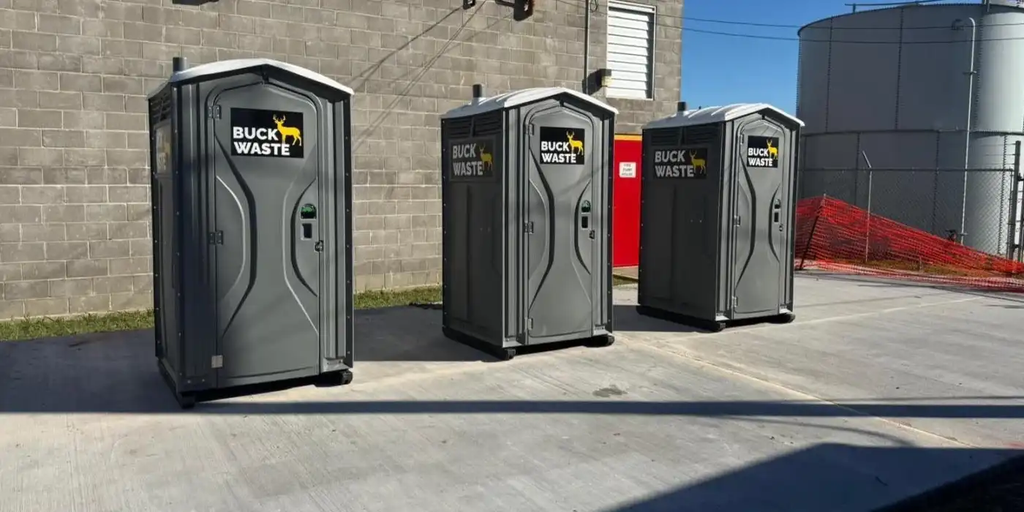
A standard portable toilet is the plastic box you’ve seen a thousand times. Single stall, a seat, a small holding tank underneath, a vent, maybe a hand sanitizer pump if you ask for it. They’re light, they’re cheap, and a truck can drop them nearly anywhere flat. That’s the whole appeal.
Delivery is usually included in the price, and so is pickup. Servicing, meaning pumping the tank and restocking paper, is where the cost can creep. A single-day event might need zero servicing. A construction site running for months needs it weekly, sometimes more. Always ask what’s covered. Companies word things differently and the “base price” can be just the unit sitting there, nothing else.
Short rentals are the simplest. Long ones get tricky because someone has to keep them clean, and a unit that’s been baking in July sun for two weeks without service is a crime scene. Don’t do that to your crew.
When a Trailer Makes More Sense Than a Row of Plastic Boxes
Now the fancier option. A restroom trailer is basically a small building on wheels. Real flush toilets, sinks with running water, lights, often air conditioning and heat, sometimes a nice vanity and even music. Portable restroom trailer rental costs more, no way around that, but the experience is just different.
Who picks them? Weddings, mostly. Corporate events, political rallies, high-end outdoor parties, film sets, anywhere you can’t have guests in formal clothes using a plastic box that sways when the wind hits it. Cold-weather events too, since a heated trailer beats a frozen seat any day.
There’s a middle path as well. Plenty of hosts rent a trailer for the main crowd and add a few standard units near the parking area or the kids’ zone. It spreads people out and keeps the line short. Not complicated.
How Many Do You Need? Do the Math Before You Call
This is where people get burned. A common rule of thumb, and it varies by company, is roughly one unit for every fifty guests at a short event with no alcohol. Add drinks and that number goes up fast. Add a long event, say eight hours or more, and it goes up again. A wedding with an open bar and two hundred guests needs way more than four toilets, I’ll just say that plainly.
Think about when people go, too. It’s not a steady trickle. It comes in waves, right after the ceremony, between sets, after dinner. Everyone has the same idea at the same minute. If your plan only covers the average, you’ll fail at the peak.
Trailers count a bit differently since one trailer holds multiple stalls, often anywhere from two to ten. Ask the provider how many guests a given trailer handles comfortably. They’ll know. Good ones will also tell you honestly if you’re overbuying, and that’s how you spot a company worth hiring.
What Does It Actually Cost?
Prices swing a lot depending on your area, the season, and how long you need the thing. A basic single-day unit is usually modest, somewhere in the range of under a hundred to a couple hundred dollars. Add a hand wash station, a deluxe flushing model, or ADA accessible units and you’re paying more. Trailers run into the hundreds and often well past a thousand per event, depending on size and luxury level.
Watch for extras. Delivery fees to remote spots, fuel charges, weekend surcharges, cleaning between uses, damage deposits. None of these are scams exactly, but they surprise people. Get the quote itemized in writing, and compare apples to apples. A cheap quote that leaves out servicing isn’t cheap at all.
Book early if the date is a peak one. Spring weddings and summer festival weekends sell out, and prices only go one direction when inventory is thin.
Placement, Power and Water: The Boring Stuff That Ruins Your Day
You’d think you just point and drop. Not quite. Units need level, firm ground, and a clear path for the truck. If it rained and your lawn is soft, the delivery driver may refuse to bring a heavy trailer across it, or he’ll leave ruts you’ll pay for. Tell the company about the terrain upfront.
Trailers have extra needs. Many require a power hookup, either a generator or a standard outlet, and some need a water source, though plenty come with their own tank. Ask. Don’t assume. A trailer sitting there dark and dry because nobody sorted the hookup is a very expensive paperweight.
For placement, keep restrooms visible but not right beside the food tent. Close enough that people can find them, far enough that nobody smells them while eating. Lighting matters for evening events. Signs help. Small things, big difference.
Accessibility, Permits and the Legal Side
Don’t skip this part. If you’re running a public event, you may need accessible units that meet ADA standards, wider doors and room for a wheelchair, and depending on where you are, there could be permit requirements tied to your guest count. Your city or county office can tell you. Some venues have their own rules too, and a few require you to use their approved vendor.
Construction and work sites fall under their own regulations. Workplace safety rules often say how many toilets must be on site per number of workers, plus handwashing. Fines for ignoring that are real. A good rental company deals with these questions every week and can steer you right, so use them.
It’s also worth checking the insurance angle. Some event policies want proof of sanitation arrangements. Keep your rental agreement handy.
Keeping It Clean Once the Party Starts
Rental is only half the job. During the event somebody has to keep things from falling apart. For bigger or longer gigs, you can pay for an attendant, a person who checks stalls, restocks paper, wipes surfaces. It sounds like a luxury. It isn’t, really, once you see the difference by hour four.
Stock extras. Toilet paper runs out faster than you think, and hand sanitizer too. Put a trash can outside. Tell guests where the extra supplies live, or at least have one staff member who knows. Little stuff.
After the event, pickup is typically scheduled for the next day. Make sure the units are accessible to the truck and clear of tables, cars, whatever. And take photos on delivery so there’s no argument about damage later.
Picking a Company You Won’t Regret
Honestly, reviews and communication tell you most of what you need. Call a few places. Notice who answers questions plainly and who dodges. Ask about their cleaning process, their delivery windows, what happens if a unit gets damaged or a tank overfills. Ask if they’ve handled events your size.
Be wary of someone who quotes you in thirty seconds without asking a single question about your event. That’s a red flag. The good ones ask about guest count, duration, location, ground type, whether alcohol’s involved. They want to get it right because their name is on it.
Visit their yard if you can, or look at photos of actual trailers, not stock pictures. Cleanliness shows. If their equipment looks beat up before it even reaches you, imagine it after a weekend of use.
Conclusion
Planning bathrooms isn’t glamorous, but it’s the thing that quietly makes or breaks your event. Whether you go with simple portable restroom rental for a work site and backyard party, or step up to portable restroom trailer rental for a wedding or something more polished, the same rules apply. Count your guests honestly, plan for the rush, ask about servicing, and get everything in writing. Book early. Pick a company that asks you questions back. Do those things and the bathrooms become the least stressful part of your day, which is exactly where you want them.
FAQs
How far in advance should I book portable restroom rental?
For regular weekdays, a week or two is often fine. For weddings, festivals or peak summer weekends, aim for a month or more, sometimes longer. Inventory runs out and last minute pricing isn’t friendly.
Is portable restroom trailer rental worth the extra money?
Depends on your crowd. For formal events, longer gatherings, or cold and hot weather, yes, most people feel it’s worth it. For a short casual party or a job site, standard units usually do the job just fine.
How many portable restrooms do I need for 100 guests?
A rough guideline is two to three for a short, dry event, but more if it’s long or there’s drinking. If you’re unsure, go one over. Nobody ever complained about too few lines.
Do rental companies clean the units during the event?
Usually not unless you’ve paid for service or an attendant. Standard rentals get serviced on a schedule, and one day events often get none. Ask what’s included before you agree.
Can restroom trailers go on grass or uneven ground?
Often yes, but it depends on the weather and the trailer size. Soft or sloped ground can be a problem. Tell the provider about your site early so they can plan or suggest solutions like boards or a different spot.