
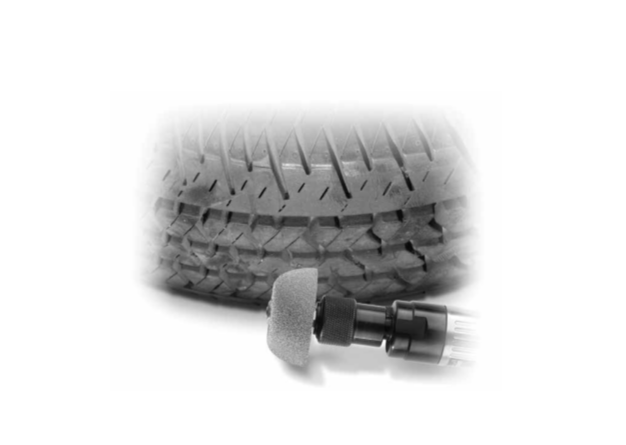
A patch is only as dependable as the surface beneath it. After a puncture is inspected and the injury is cleaned out, the inner liner must be roughened so cement and the repair unit can bond permanently. Selecting the right tire buffing tools for repair influences how well that bond survives heat, load, and constant flexing. A surface left too smooth gives adhesive nothing to grip, while one cut too deeply can weaken the casing. Technicians working on passenger, light truck, and commercial tires all face this balance. The sections below cover surface preparation, materials, speed, tool shape, maintenance, and edge work.
Why Liner Preparation Decides Repair Success
The inner liner of a tire is coated with a smooth, slightly waxy layer that resists adhesion. Buffing removes that layer and leaves a uniform texture, often described as dull and slightly fuzzy, which allows vulcanizing cement to penetrate the rubber. The prepared zone should extend at least an inch beyond the outline of the repair unit. Shiny patches, burned spots, or exposed cords indicate the surface was not prepared correctly and should be addressed before any adhesive is applied.
Carbide Construction and Why It Matters
Construction determines how consistently a tool cuts. Tungsten carbide cutting surfaces hold their edge far longer than basic steel, and well-balanced bodies reduce vibration that can leave grooves in the liner. When shops evaluate tire buffing tools for repair, they should check arbor size, rated maximum speed, and cutting pattern against the buffer in use. A mismatched tool can wobble, overheat, or cut unevenly, and each of those problems shows up later as a weak bond or a repeat visit from the customer.
Controlling Speed, Pressure, and Heat
Heat is the main enemy of a good buffed surface. Most buffing is done at relatively low rotational speeds, within the tool’s rated RPM, because friction can glaze the rubber and seal the pores that cement needs. Light, steady pressure and constant motion prevent hot spots. If rubber dust looks smeared or the liner smells scorched, speed or pressure is too high. Clearing dust with a brush or vacuum, rather than solvent wipes, keeps the surface clean and ready.
Matching Tool Shape to the Casing
Passenger and light truck liners are thin, so they call for finer texturing and a careful hand. Radial truck and off-the-road casings are thicker and tolerate heavier material removal. Choosing tire buffing tools for repair by casing type, rather than using one tool on everything, reduces the risk of cutting into plies. Smaller cup and round shapes reach tight injury areas, while larger profiles cover wide repair units quickly. Matching the tool to the tire keeps the finished surface even from center to edge.
Shaping Injury Edges Before the Patch Goes On
Some repairs require shaping the edges of the injury before the repair unit is applied. Many technicians use tire skiving wheels to remove damaged rubber and create a clean bevel, which lets the unit sit flat without lifting at the edges. The wheel should be moved smoothly and kept away from exposed cords. Skiving is trimming, not texturing, so the area is usually buffed afterward to restore a bondable surface. Following the repair unit manufacturer’s guidance on injury limits keeps the work within safe repair boundaries.
Conclusion
Reliable repairs come from controlled preparation: a properly textured liner, correct speed, tools matched to the casing, and equipment that stays sharp. Taking time to choose and maintain tire buffing tools for repair protects the casing and gives every patch the best chance to last. For shops comparing carbide tooling and related supplies, Oliver Carbide Products Inc. is one name among several that technicians review when matching specifications to their tire types and daily volume. Consistent procedures, regular training, and attention to tool condition turn a routine step into a safer, more dependable repair.