
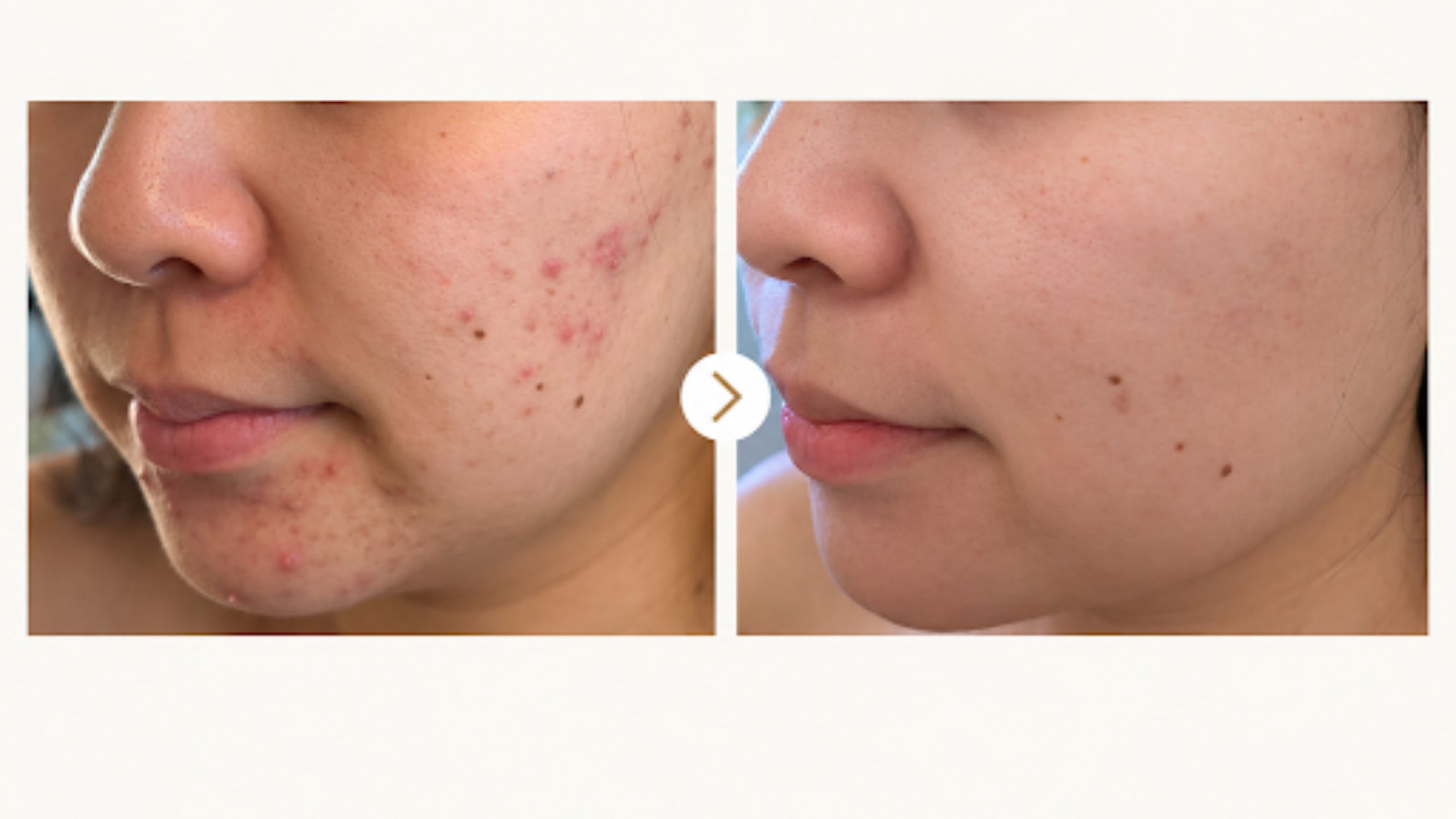
Why do dark patches keep returning even when your skincare routine seems to be working? Melasma can be challenging because pigmentation often responds slowly to treatment and may become more noticeable after sun exposure. Melasma laser treatment may help improve the appearance of pigmentation in selected cases, but the right approach depends on the type of discoloration, skin tone, and sensitivity. Some laser procedures can also worsen melasma when used inappropriately.
K Beauty Lab Hawaii combines Korean skincare with advanced aesthetic services, offering options for people exploring different approaches to skin concerns. For anyone dealing with stubborn pigmentation, understanding the available treatments, their limitations, and the importance of consistent skincare is an essential first step.
What Makes Melasma So Difficult to Treat?
Melasma typically appears as flat, brown or gray-brown patches on the cheeks, forehead, nose, and upper lip. Unlike individual spots left by acne, it often creates broader areas of uneven pigmentation. Sun exposure, hormonal changes, and genetic factors can contribute to its development, while visible light may also aggravate the condition.
The frustrating part is that melasma can improve and then return. Even when the patches become lighter, the skin may remain prone to developing pigmentation again. This is why identifying the type of discoloration matters. Melasma, sun spots, and post-inflammatory hyperpigmentation can look similar, but they do not always respond to the same treatments.
Which Pigmentation Treatments Can You Explore at K Beauty Lab Hawaii?
K Beauty Lab Hawaii offers Korean skincare services alongside selected laser treatments. Its published treatment menu includes options associated with pigmentation and uneven skin tone. Understanding what each service is designed to address can help you decide which options to discuss with the clinic, although the suitability of any procedure for melasma requires individual assessment.
Could ND and Pico Laser Toning Be Suitable for Your Skin?
K Beauty Lab lists an ND Laser Pico Toning Pack that combines Genesis, YAG 1064, and Pico laser treatments. The service description identifies pigmentation among the concerns addressed. Certain laser technologies may help selected patients with melasma, but their suitability depends on the diagnosis, skin tone, treatment settings, and risk of post-inflammatory pigmentation. The package should not be considered a guaranteed solution, and a qualified professional should assess whether it is appropriate for your specific concern.
Is Clear Spot Remover Intended for Melasma or Individual Spots?
The clinic also lists a Clear Spot Remover service using an Activo 532 nm laser for age spots and pigmentation. This treatment is presented as an option for concerns involving excess pigment. However, age spots and melasma are different conditions. A procedure intended for individual spots may not be appropriate for broader, recurring patches, so it is important to clarify the treatment’s intended use before booking.
Can a K-Signature Facial Help You Understand Your Skincare Needs?
K Beauty Lab’s K-Signature Facial includes skin scanning and a facial routine selected according to individual concerns. The service incorporates skincare steps intended to cleanse and care for the skin. It may provide an opportunity to discuss hydration, product selection, and general skin appearance, but a facial or skin scan cannot independently diagnose melasma or determine whether a laser procedure is medically appropriate.
You can review the available services through the K Beauty Lab treatment menu. Each treatment has a different purpose, so the most appropriate option depends on your skin concerns rather than a general goal of brighter skin.
What Should You Ask Before Choosing Melasma Laser Treatment?
Before considering melasma laser treatment, discuss your pigmentation history, current skincare products, previous procedures, and skin sensitivity with an appropriate professional. These details can influence treatment selection and the risk of irritation or worsening discoloration. If your pigmentation has not been diagnosed, consult a dermatologist before proceeding with a laser procedure.
During your consultation, ask whether the proposed treatment is appropriate for melasma, what improvement may realistically be possible, and what side effects or recovery requirements you should expect. You should also discuss preparation, aftercare, and the possibility that pigmentation may return. Clear answers can help you make an informed decision without relying on promises of permanent or guaranteed results.
How Can Korean Skincare Support More Even-Looking Skin?
Korean skincare often emphasizes consistent routines, hydration, and products selected according to individual skin needs. These principles can support pigmentation care when the products are suitable for your skin and do not cause irritation. K Beauty Lab’s skincare collection includes cleansers, serums, moisturizers, and sunscreens, with brands such as HISTOLAB, DR.SANTE, and PUROCELL.
A practical routine begins with gentle cleansing, followed by a suitable moisturizer and daily sunscreen. Products containing ingredients such as niacinamide may help improve the appearance of uneven skin tone, while some formulations containing tranexamic acid are marketed for dark spots and discoloration. K Beauty Lab lists the HISTOLAB Triple Whitening Effect Ampoule in its skincare collection. However, product ingredients and intended cosmetic uses should be checked before purchase, and a serum should not be treated as a guaranteed treatment for melasma or a replacement for medical advice.
Why Is Sunscreen Essential When Managing Melasma?
Sun exposure can make melasma more noticeable and contribute to recurrence after improvement. Daily broad-spectrum sunscreen with SPF 30 or higher is therefore an important part of pigmentation care. Reapply at least every two hours when outdoors, and sooner after swimming or sweating. A tinted sunscreen containing iron oxides may provide additional protection against visible light, which can aggravate melasma, particularly in darker skin tones.
Sun protection works best alongside other appropriate skincare measures. Avoiding unnecessary irritation, following professional aftercare, and introducing active ingredients cautiously can help reduce avoidable triggers. These steps support ongoing management but cannot guarantee that pigmentation will disappear or never return.
Why Can Melasma Return Even After Treatment?
Melasma is a recurring condition, which means that fading the visible patches does not necessarily remove the factors that contribute to their development. Sun exposure, hormonal influences, and skin irritation may continue to affect pigmentation even after a procedure or skincare treatment appears to help.
For this reason, a long-term plan is generally more useful than relying on a single session. A dermatologist may recommend topical treatments first and consider procedures for selected cases that do not respond adequately. More aggressive treatment does not automatically produce better results, and repeated procedures may increase the risk of irritation or unwanted pigmentation. Monitor your skin over time and seek professional advice if discoloration becomes darker after treatment.
How Can You Explore Pigmentation Care at K Beauty Lab Hawaii?
Persistent dark patches can be frustrating, especially when different products have not provided the improvement you expected. Understanding the cause of pigmentation and selecting appropriate treatments can help you make more informed decisions about your skincare routine.
K Beauty Lab Hawaii offers skin analysis, Korean facial services, and selected laser treatments for pigmentation-related concerns. Its treatment menu is a starting point for exploring available options, while a suitable professional assessment can help determine whether a particular service is appropriate for your needs. Visit the K Beauty Lab treatment page to review the services or use the contact page to ask about consultation options.
The most appropriate approach considers your skin’s individual needs, the nature of the pigmentation, and the care required to manage recurrence. With realistic expectations, suitable skincare, and consistent sun protection, you can take a more informed approach to managing uneven skin tone.