
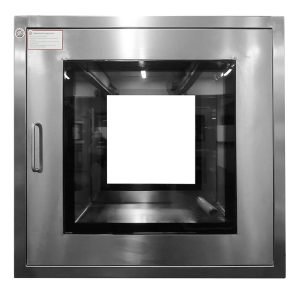
Moving materials between cleanroom areas can introduce particles, microorganisms, and other contaminants that compromise product quality. Every transfer point must therefore support your contamination control strategy without slowing down daily operations. A well-designed cleanroom passthrough helps you move supplies, tools, components, and samples between controlled environments while limiting unnecessary personnel movement and exposure to surrounding areas.
To achieve these benefits, you need to consider more than the passthrough’s dimensions. Its location, construction materials, door mechanisms, airflow requirements, and cleaning procedures must work together to protect your cleanroom environment.
Define Your Material Transfer Requirements
Before selecting a passthrough, identify what you need to transfer and which areas it will connect. A unit designed for small laboratory samples may not accommodate production components, equipment trays, or larger containers.
Start by documenting:
Material dimensions: Measure the largest items, including their packaging and handling trays.
Transfer frequency: Estimate how often materials move through the chamber during each shift.
Cleanliness requirements: Identify the cleanliness classification and contamination risks of both connected areas.
Material sensitivity: Determine whether items require protection from particles, moisture, chemicals, or biological contamination.
Handling requirements: Consider whether operators need shelves, racks, carts, or specialized transfer fixtures.
These details help you select a passthrough that supports your workflow without creating unnecessary bottlenecks. Include extra clearance for safe loading and unloading, but avoid oversized chambers that consume valuable cleanroom space.
Choose the Right Passthrough Configuration
Your application determines which passthrough design is appropriate. Static and dynamic systems serve different purposes, so evaluate the contamination risks before choosing between them.
Static cleanroom passthrough
A static passthrough generally uses a sealed chamber with doors on opposite sides and an interlocking mechanism. It helps separate adjacent areas during material transfers without actively filtering the chamber air.
This configuration may suit transfers between areas with compatible cleanliness requirements when your risk assessment confirms that active airflow is unnecessary.
Dynamic cleanroom passthrough
A dynamic passthrough incorporates filtered airflow, often using a HEPA filtration system, to help reduce airborne particulate contamination inside the chamber. It may be appropriate when materials move from a less-controlled environment into a more critical cleanroom area.
However, filtered airflow alone does not guarantee that transferred materials are clean or sterile. Your cleaning, disinfection, and transfer procedures must address the risks associated with each item.
Review the cleanroom passthrough systems for controlled material transfer available from CleaTech to identify a configuration that aligns with your facility’s requirements.
Design Interlocked Doors for Contamination Control
Door interlocking is one of the most important design considerations. If both doors open simultaneously, the passthrough can create a direct path between two areas, potentially disturbing pressure relationships and allowing contaminants to migrate.
Specify a mechanical or electrical interlocking mechanism that prevents both doors from opening at the same time. Consider adding visible status indicators so operators can determine which door is available.
You should also evaluate:
- Secure door seals to reduce unwanted air leakage.
- Door handles that are easy to operate while wearing appropriate gloves.
- Viewing windows that allow operators to check the chamber before opening it.
- An appropriate emergency-release and fault-response procedure.
- Clear operating instructions for loading, waiting, and unloading materials.
For higher-risk applications, a timed interlock may help enforce a defined waiting or purge period. Establish that timing through your contamination-control assessment and, where necessary, performance qualification rather than selecting an arbitrary delay.
Select Materials That Support Easy Cleaning
Passthrough surfaces must withstand frequent cleaning without deteriorating or creating additional contamination risks.
Stainless steel is a common choice because it offers durability, corrosion resistance, and cleanable surfaces. Select the appropriate grade based on your cleaning chemicals, exposure conditions, and process requirements.
Your design should prioritize:
- Smooth internal surfaces with minimal crevices.
- Rounded or coved internal corners where practical.
- Flush-mounted hardware that limits dust accumulation.
- Compatible door gaskets and seals.
- Surfaces resistant to the approved cleaning and disinfection agents.
Avoid designs with inaccessible joints, exposed fasteners, or difficult-to-clean recesses. These features can allow residues and particles to accumulate, making routine sanitation less reliable.
Evaluate Airflow and Pressure Relationships
A passthrough connects spaces that may operate at different pressure levels or cleanliness classifications. Its design must support the facility’s intended airflow direction and pressure-control strategy.
Work with your cleanroom HVAC and contamination-control teams to determine whether the chamber requires HEPA-filtered supply air, a defined purge cycle, pressure monitoring, or other engineering controls.
If you select a dynamic passthrough, evaluate filter performance, airflow distribution, chamber recovery, and maintenance access. The purge cycle should be established using appropriate testing and documented acceptance criteria.
For sterile or high-risk manufacturing, assess the transfer process against applicable regulatory requirements and the facility’s contamination control strategy. Do not assume that every passthrough needs identical filtration or that a static chamber is suitable for every application.
Position the Passthrough for Efficient Workflow
Even a technically sound passthrough can create operational problems if you install it in the wrong location.
Position the unit where materials can move efficiently between the intended areas without unnecessary handling or traffic conflicts. Consider the direction of incoming supplies, finished products, samples, and waste.
A practical layout should provide:
- Sufficient space for operators to load and unload materials.
- Convenient access from both sides of the wall.
- Separation of incompatible material flows where required.
- Minimal interference with doors, equipment, and workstations.
- Accessible locations for cleaning, inspection, and servicing.
If your process requires separate incoming and outgoing transfer routes, consider dedicated passthroughs rather than relying entirely on operator procedures to prevent cross-contamination.
Establish Cleaning, Testing, and Maintenance Procedures
Installation is only the beginning. Your passthrough must continue performing as intended throughout its service life.
Create standard operating procedures covering surface cleaning, material preparation, loading limits, door interlocks, transfer waiting periods, and unloading. Train operators to avoid placing unapproved items inside the chamber or opening the clean-side door before the required transfer steps are complete.
Before routine use, verify that the unit is installed correctly and that its doors, seals, interlocks, and other specified features function as intended. For dynamic units, include the required airflow and filter-integrity tests in the qualification plan.
Document inspection results, maintenance activities, and corrective actions. Reassess performance after significant repairs, configuration changes, or modifications to the cleanroom’s operating conditions.
Choose a Passthrough That Fits Your Facility
The best design balances contamination control, workflow efficiency, cleanability, and long-term maintenance. A suitable specification should identify the materials being transferred, connected room conditions, chamber dimensions, door-interlock requirements, construction materials, and any active airflow or monitoring features.
CleaTech LLC provides laboratory and cleanroom equipment solutions to support different controlled-environment requirements. Explore the available cleanroom passthrough options for laboratory and cleanroom applications and assess which configuration best matches your material-transfer process.
If you need help evaluating your application, Contact us today to discuss your cleanroom equipment requirements.
Frequently Asked Questions
1. What is a cleanroom passthrough used for?
A cleanroom passthrough transfers materials between adjacent areas while limiting direct personnel movement and helping maintain environmental separation. It is commonly used for laboratory supplies, components, tools, samples, and production materials.
2. What is the difference between static and dynamic passthroughs?
A static passthrough generally relies on a sealed chamber and interlocked doors to separate connected areas. A dynamic passthrough adds active filtered airflow to help reduce airborne particles inside the chamber. Your contamination-control requirements determine which design is appropriate.
3. Why are interlocked doors important in cleanroom passthrough design?
Interlocked doors prevent both sides from opening simultaneously, reducing the risk of creating a direct pathway between areas with different cleanliness or pressure conditions.
4. Which material is best for a cleanroom passthrough?
Stainless steel is a common choice because it is durable, corrosion-resistant, and easy to clean. The appropriate material and grade depend on your cleaning agents, chemical exposure, and facility requirements.
5. Does every cleanroom passthrough require HEPA filtration?
No. HEPA filtration is not necessary for every application. Static units may be suitable for some lower-risk transfers, while dynamic units may be needed when active particle reduction is part of the contamination-control strategy. The decision should follow a documented risk assessment and applicable requirements.
6. How do you maintain a cleanroom passthrough?
Follow documented cleaning and disinfection procedures, inspect door seals and interlocks, and verify that all specified functions work correctly. Dynamic systems may also require airflow checks, filter-integrity testing, and scheduled maintenance.
Conclusion
Designing a cleanroom passthrough for safer material movement requires careful planning around transfer requirements, door interlocking, cleanable construction, airflow, placement, and maintenance. When these elements align with your contamination-control strategy, you can reduce avoidable transfer risks and improve workflow efficiency.
Evaluate your facility’s actual operating conditions before finalizing the design, and select a passthrough that supports both your current processes and future requirements.