
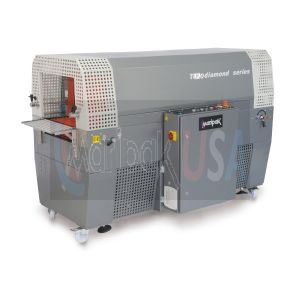
Product packaging depends on more than a good seal. After a film is wrapped around an item, it needs controlled heat to pull tight and form a clean, protective layer. That final step happens inside heat shrink tunnels, which serve industries such as e-commerce fulfillment and commercial laundry. Understanding how these machines work helps buyers and operators make better decisions about equipment, film, and workflow. Choosing the right tunnel settings also helps maintain consistent packaging quality while reducing film waste and production delays.
How a Heat Tunnel Works
A heat tunnel is a conveyor-based chamber that exposes wrapped products to consistent heat. Items travel in on a conveyor after passing through a sealer, move through the heated zone, and exit with the film shrunk snugly around them. Fans circulate hot air so the temperature stays steady from one product to the next. Some designs circulate heated air from the bottom of the chamber. Operators usually control temperature according to the film and product being run.
Matching Film to the Machine
Film choice matters as much as the equipment. Common options include PVC and polyolefin, and a well-built tunnel can handle both. Each film reacts differently to heat, so operators adjust temperature and conveyor speed to match each material. Because heat shrink tunnels work together with a sealer and an infeed, the entire line should be considered as one system.
Factors That Affect Output
Output varies widely because several variables influence shrink speed. Sealer speed, product size, and film type all affect how many pieces a tunnel can process in a given period, so no single number applies to every operation. When choosing a model, buyers typically weigh production volume, the size and form of the product, the packaging materials involved, and important features such as conveyor speed and adjustable settings. Evaluating these details first helps match the tunnel to the actual workload and keeps shrink quality consistent.
Single, Extended, and Dual Chamber Designs
Tunnels come in several configurations. Regular single-chamber units suit standard needs, while extended-length versions add more length to the heated section. Dual-chamber models use two separate heating chambers that operate at the same time, which raises throughput and efficiency because one chamber does not have to finish before the next cycle begins. This setup can also handle a mix of materials and product sizes together, making it useful for busy operations that value flexibility.
Safety Features Worth Checking
Because heat shrink tunnels run at high temperatures, built-in safety features are essential. Metal protection shields at the infeed and discharge areas help prevent contact with hot surfaces. Conveyors that stop immediately when they encounter a jam reduce the risk of further problems inside the unit. If the conveyor or fans halt, the heaters should isolate instantly to prevent overheating and fire. Mesh guards on the fans add another layer of protection for operators. Some tunnels are engineered under ISO 9001 standards, which reflect a documented approach to quality.
Training, Support, and Maintenance
Even the best equipment needs ongoing care. Operator training typically covers machine operation, maintenance, and troubleshooting, which reduces downtime and improves efficiency. Access to replacement parts and responsive technical assistance also matters, since a stalled tunnel can slow an entire packaging line. Many buyers also look at warranty terms and whether installation guidance is available, including virtual options, before making a purchase.
Conclusion
Choosing the right equipment for shrink packaging comes down to understanding your products, films, and production goals. Consistent heat, adjustable controls, thoughtful safety features, and the right chamber configuration all shape the results you see at the end of the line. Take time to compare specifications, ask how output estimates are calculated, and confirm what training and support come with a machine. Small differences in setup can change both speed and appearance. Manufacturers design tunnels around these priorities, including options with extended length or dual chambers for different workloads.