
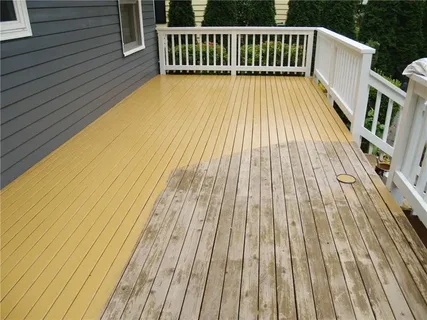
A well-maintained deck adds usable outdoor space to a property, but exposure to sunlight, rain, moisture, and changing temperatures can gradually damage its appearance. Choosing a qualified contractor helps homeowners protect the wood while achieving a consistent finish that complements the property. Blu Macaw Pro Painting understands that successful staining begins with proper surface preparation, suitable products, and careful application rather than simply adding a new coat of color. When homeowners search for deck staining near me, they should evaluate a contractor’s experience, preparation methods, written estimates, and understanding of the deck’s existing condition before making a commitment.
Key Takeaways
- Review the contractor’s experience with different deck materials and weather conditions.
- Confirm that cleaning, sanding, repairs, and drying are included in the proposed work.
- Compare written estimates based on preparation, products, labor, and project scope.
- Ask about stain compatibility, expected maintenance, warranties, and project timelines.
Why Contractor Selection Matters for Deck Staining
Deck staining requires more than applying a product evenly across wooden boards. The contractor must assess the surface, identify areas of deterioration, determine whether the existing finish needs removal, and select a stain that suits the wood and its exposure to the elements. Skipping these steps can lead to uneven color, poor adhesion, peeling, or premature fading.
The condition of the deck should influence the entire project plan. Newer wood may need different preparation from an older deck with gray boards, weathered railings, or remnants of a previous coating. A contractor who inspects the structure before quoting can explain which tasks are necessary and which cosmetic improvements may be optional.
Homeowners should also recognize that staining and structural restoration are different services. A stain can improve the appearance of sound wood and help limit moisture penetration, depending on the product, but it cannot repair loose framing, severely rotted boards, or unstable railings. Any safety concerns should be assessed before cosmetic work begins.
What to Check Before Hiring a Local Deck Staining Contractor
Experience With Similar Decks
A contractor’s experience should be relevant to the property’s actual conditions. Homeowners can ask whether the professional has worked with pressure-treated lumber, cedar, hardwood, or previously stained decks. These materials can respond differently to cleaning, sanding, and stain application, so experience with comparable surfaces is valuable.
Recent project photographs can help demonstrate the quality of the finish, consistency of color, and attention to edges, stairs, railings, and corners. References from previous customers may provide additional insight into communication, punctuality, cleanup, and how the contractor handled unexpected problems.
Insurance, Credentials, and Written Agreements
Before work begins, homeowners should verify that the contractor carries appropriate liability insurance and any required local credentials. Requirements differ by jurisdiction and project type, so the contractor should be able to explain which rules apply to the proposed work.
A written agreement should describe the deck areas included, preparation procedures, stain product, number of coats, estimated schedule, payment terms, and exclusions. It should also explain how additional repairs or unforeseen conditions will be approved and priced. Clear documentation reduces misunderstandings and gives both parties a shared understanding of the expected result.
Preparation Methods and Product Knowledge
Surface preparation is one of the strongest indicators of a contractor’s working standards. Dirt, mildew, loose finish, and surface contaminants can interfere with adhesion. Depending on the deck’s condition, preparation may involve washing, scraping, sanding, or removing an incompatible coating.
Homeowners should ask how the contractor determines when the wood is ready for staining. Applying stain to damp wood can interfere with penetration and finish performance, while aggressive sanding or washing can damage the surface. A knowledgeable professional will explain the preparation process and follow the stain manufacturer’s instructions.
Section 3: Compare Estimates, Stain Options, and Project Timelines
A low estimate may appear attractive, but price alone does not show whether the contractor has included the work necessary for a durable result. One quote might cover cleaning and one coat of stain, while another includes sanding, minor surface repairs, premium materials, and additional application steps. Comparing the scope of work makes the differences easier to understand.
Homeowners should request itemized estimates that identify labor, materials, preparation, repairs, and optional upgrades. They should also clarify whether furniture moving, stairways, railings, and hard-to-reach areas are included. These details help prevent unexpected charges after the project has started.
When comparing deck services in Boise, ID, product knowledge deserves the same attention as pricing. Experienced contractors should explain whether a transparent, semi-transparent, or solid stain best suits the wood’s condition and the homeowner’s appearance preferences.
Transparent stains generally reveal more of the natural wood grain, while solid stains provide more uniform color coverage. However, the existing finish, wood species, and product compatibility may limit the available choices. A contractor should explain these limitations before the homeowner selects a color.
Weather and drying conditions also affect scheduling. Many products require specific temperature ranges, a suitable forecast, and moisture levels within the manufacturer’s guidelines. Some stains may be ready for light use within 24 to 48 hours, while others require longer. The actual timeline depends on the product, weather, and surface conditions. Homeowners should obtain a realistic schedule from their deck services provider rather than relying on a universal drying estimate.
Section 4: Evaluate Preparation Standards and Project Readiness
A dependable contractor should explain how the property will be protected during the work. Plants, siding, nearby furniture, and surrounding hard surfaces may need covering or careful handling to prevent accidental splashes and residue. Homeowners should also ask how the team will manage dust, cleaning runoff, and leftover materials.
Before staining begins, the deck should be inspected for loose fasteners, damaged boards, protruding nails, and signs of rot. Minor repairs may be included in the estimate, but significant structural issues could require a separate carpenter or qualified repair professional. Staining should not conceal problems that could compromise safety.
When comparing local deck staining services, homeowners should ask how the contractor checks wood readiness and determines whether a second coat is appropriate. Following product-specific instructions matters because excessive application can leave an uneven or tacky surface, while insufficient coverage may reduce the intended protection.
A clear project plan should identify who is responsible for moving furniture, providing access, securing pets, and keeping people off the deck during application and curing. These arrangements help the crew work without avoidable interruptions and reduce the risk of marks on a fresh finish.
Practical Questions to Ask Before Work Starts
- Which cleaning, sanding, and coating-removal steps are included in the estimate?
- What stain product and finish type will be used, and why are they suitable?
- How will weather delays and unexpected wood damage affect the schedule?
- What maintenance does the manufacturer recommend after the finish has cured?
- What workmanship coverage applies, and which conditions are excluded?
Other Factors That Should Influence the Final Decision
The best contractor is not necessarily the one offering the lowest price or the shortest completion time. Homeowners should consider communication quality, the clarity of the estimate, the suitability of the proposed materials, and the contractor’s willingness to explain limitations. A professional who identifies a necessary repair before staining may offer greater long-term value than one who promises a quick cosmetic transformation without inspecting the surface.
Maintenance expectations also deserve attention. Decks exposed to strong sunlight, frequent rain, standing water, or heavy foot traffic may need more frequent inspection and refinishing than protected surfaces. An annual visual inspection is a useful starting point, although the appropriate maintenance interval depends on the wood, product, exposure, and manufacturer’s recommendations.
Color selection should account for both appearance and upkeep. Darker or more opaque finishes may create a different visual effect from transparent stains, and existing coatings can affect the final result. Homeowners can request a small test area when appropriate, particularly when the deck contains mixed boards or has uneven weathering.
Finally, confirm that the contractor will inspect the completed work with the homeowner. This walkthrough should cover color consistency, missed areas, drips, cleanup, and any agreed repairs. Written care instructions can clarify when furniture may return, when the deck can be used, and how to clean the surface without damaging the finish.
Frequently Asked Questions
How can homeowners tell whether a deck needs staining?
Faded color, a weathered appearance, uneven water absorption, and a deteriorating previous finish may indicate that maintenance is needed. These signs do not automatically mean the deck requires a new stain; cleaning and inspection can help establish the appropriate treatment.
How much does professional deck staining usually cost?
The cost depends on deck size, wood condition, preparation requirements, stain selection, accessibility, and local labor rates. Homeowners should compare itemized estimates with matching scopes of work rather than choosing solely by the total price.
How long should deck stain last?
Durability varies according to the stain formulation, wood species, surface preparation, sunlight, moisture, and foot traffic. Some surfaces require attention within a year or two, while others may maintain their appearance longer. Product instructions and regular inspections provide a better basis for maintenance decisions.
Should a deck be pressure-washed before staining?
Cleaning is often necessary, but pressure washing is not suitable for every deck or surface condition. Excessive pressure can damage wood fibers and leave the surface rough. The contractor should select a cleaning method appropriate for the material and allow sufficient drying time before applying stain.
Can a deck be stained over an existing finish?
Sometimes, but compatibility and the condition of the existing coating determine the correct approach. Some surfaces need cleaning and light preparation, while others require substantial sanding or removal. A contractor should inspect the finish and confirm the new product’s requirements before proceeding.
Make a Confident Choice for Deck Staining
Choosing a local deck staining contractor requires attention to preparation, material selection, written estimates, safety, and ongoing maintenance. Homeowners who compare these factors can better understand what a project includes and whether the proposed work suits their deck’s condition. A careful evaluation also helps establish realistic expectations for cost, appearance, and durability. The goal is not simply to refresh the wood, but to select an appropriate treatment that supports the deck’s long-term condition.
Request a Deck Staining Consultation
Ready to improve the appearance and condition of an outdoor deck? Contact the team at Blu Macaw Pro Painting to discuss the property’s needs, review suitable stain options, and understand the preparation required for a consistent finish. A consultation can help clarify project scope, scheduling, material choices, and expected maintenance. Before work begins, homeowners can ask questions, review the estimate, and confirm the details needed to move forward with confidence.