
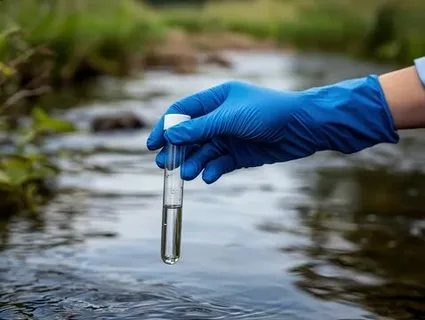
Private wells provide drinking water to many homeowners across Suffolk County, but the water’s appearance and taste cannot confirm whether it is safe. Naturally occurring minerals, agricultural runoff, septic systems, and nearby land use can affect groundwater quality without producing obvious warning signs. Casablanca Environmental & Building Diagnostics helps homeowners understand environmental testing needs and make informed decisions about their properties. Before arranging suffolk county well water testing, homeowners should understand which contaminants may be present, when testing is appropriate, and how to interpret laboratory findings.
Key Takeaways
- Clear water can still contain harmful bacteria, nitrates, or other contaminants.
- Testing should match the property’s well conditions, surrounding land use, and household needs.
- Certified laboratories provide more reliable results than visual inspection or taste alone.
- Follow-up testing helps homeowners identify changes and determine whether corrective action is necessary.
Why Private Well Water Needs Regular Testing
Unlike water supplied by a public utility, private well water generally does not receive routine monitoring through a public water system. The homeowner is responsible for checking water quality and addressing potential problems. This responsibility matters because groundwater can change as weather conditions, nearby development, and property drainage patterns change.
Suffolk County’s mix of residential neighborhoods, agricultural properties, older septic systems, and coastal environments creates different water-quality considerations from one location to another. The risk at an individual property depends on its well construction, depth, surrounding land use, and local groundwater conditions rather than location alone.
A well may supply water that looks clean but contains microorganisms or dissolved chemicals. Coliform bacteria can indicate that contamination has entered the system, while elevated nitrate levels can pose particular risks to infants. Certain contaminants, including some metals and volatile organic compounds, may also require specialized laboratory analysis.
The U.S. Geological Survey has documented widespread groundwater-quality concerns in private wells across the country. Its national research has found that naturally occurring and human-related contaminants can affect groundwater, reinforcing why individual wells need testing rather than assumptions based on neighboring properties.
Which Contaminants Should Homeowners Consider?
The correct well water testing panel depends on the well’s history, the property’s surroundings, and how the water will be used. Basic testing can identify common indicators of water quality, while more comprehensive analysis may be necessary when local conditions or previous results point to additional concerns.
Bacteria testing commonly includes total coliform and, where appropriate, E. coli to help identify possible contamination from surface water, sewage, or other sources. Nitrate testing is also important because fertilizers, septic systems, and other sources can introduce nitrogen compounds into groundwater.
Other potential contaminants include arsenic, lead, iron, manganese, and volatile organic compounds. Depending on their concentrations, these substances may pose health risks or cause staining, unpleasant tastes, odors, and plumbing issues. Detecting a substance does not automatically mean the water is unsafe; its concentration and the applicable health-based standards must be considered.
Homeowners should consult a qualified testing provider or laboratory to select the right well water testing panel for their property. A comprehensive test is not always necessary, but testing for too few contaminants may overlook risks associated with the well’s location and surrounding environment.
When Should a Well Be Tested?
Timing matters because contamination can occur after a well has previously produced acceptable results. Testing is particularly important when a property changes ownership, a well is newly installed, or the water system undergoes repairs. Heavy rainfall, flooding, or damage near the wellhead may also justify prompt testing.
Homeowners should establish a regular testing schedule with advice from the appropriate local health authority or qualified water professional. Annual testing for bacteria and nitrate is a common recommendation for private wells, although additional testing may be needed based on local risks and previous findings.
Changes in water quality deserve attention, too. A sudden difference in taste, odor, color, or clarity can indicate a developing issue, even though some dangerous contaminants have no detectable sensory signs. Testing should not be delayed simply because the water still appears normal.
Preparing for Suffolk County Well Water Testing
Good preparation helps produce a representative sample and reduces the chance of collection errors. Homeowners arranging Suffolk County well water testing should first confirm the laboratory’s collection instructions, approved containers, sample handling requirements, and delivery deadlines. Different analyses may require different bottles or procedures.
The sampling location also matters. A sample taken from a suitable tap can help assess the water delivered to the household, while a separate sampling approach may be needed to investigate the well itself or a specific treatment system. Homeowners should tell the provider whether the property uses filtration, water softening, disinfection, or other treatment equipment.
Avoid improvising with household containers or collecting a sample too early. Some tests require sterile bottles, specific flushing procedures, or rapid delivery to the laboratory. Incorrect handling can compromise results and may require another sample.
A useful preparation step is to record recent maintenance, flooding, plumbing repairs, and changes in water quality. These details help the testing professional understand the property’s circumstances and recommend relevant follow-up analysis.
Practical Preparation Steps
- Confirm the required sample bottles and collection instructions before the appointment.
- Identify any filtration, softening, or disinfection equipment connected to the water supply.
- Record recent well repairs, flooding, and unusual changes in water appearance or taste.
- Arrange prompt delivery according to the laboratory’s instructions.
Understanding Laboratory Results and Next Steps
Laboratory reports usually identify the substances tested, the measured concentrations, and any relevant comparison standards or reporting limits. Homeowners should review the complete report rather than focusing only on a general pass-or-fail description. A result below a laboratory’s detection limit does not necessarily mean that every possible contaminant is absent; it means the substance was not detected at the method’s specified sensitivity.
For contaminants with established drinking-water standards or health guidance, results should be interpreted against the appropriate benchmark. Public water systems are subject to federal drinking-water regulations, but private wells are not covered by the same routine federal monitoring requirements. State and local recommendations may provide additional direction for private well owners.
If a result indicates possible bacterial contamination, the homeowner should contact the appropriate health authority or a qualified water professional promptly to discuss safe water use, disinfection, and repeat sampling. If chemical contamination is identified, the response depends on the substance, concentration, potential source, and exposure risk. Boiling water can address certain microbial hazards but does not remove most chemical contaminants and may concentrate some of them.
A treatment system should not be selected solely because a report identifies a contaminant. Different technologies address different problems, and treatment performance depends on proper design, installation, maintenance, and verification testing. Retesting after corrective work helps establish whether the intervention achieved the intended result.
Choosing the Right Testing Provider
A reliable testing process begins with a clear explanation of what will be tested and why. Homeowners should ask whether the laboratory is certified or otherwise appropriately approved for the specific analyses, how samples will be collected, and when results will be available. They should also confirm whether the quoted service includes interpretation or whether a separate professional consultation may be needed.
The provider should explain the difference between routine screening and specialized analysis. For example, a property near agricultural activity may require particular attention to nitrate, while a well affected by flooding may need prompt microbiological assessment. The appropriate panel should reflect documented risks instead of relying on a one-size-fits-all package.
Cost is another consideration, but the lowest initial price may not cover the tests a property actually needs. Homeowners should compare the analytes included, laboratory credentials, collection requirements, turnaround time, and any charges for additional sampling. Clear documentation makes it easier to compare results over time and communicate with health officials or treatment contractors.
Questions to Ask Before Booking
- Which contaminants are included in the proposed testing panel?
- Is the laboratory certified or approved for the requested analyses?
- Does the service include sample collection and help interpreting results?
- What follow-up testing may be needed if a result falls outside an applicable standard?
Property Conditions That Can Affect Water Quality
The well’s physical condition can influence its vulnerability to contamination. A damaged cap, poorly sealed casing, or inadequate drainage around the wellhead may allow surface water or pollutants to enter the system. Homeowners should keep the area around the well accessible and avoid storing fuel, chemicals, or other potentially hazardous materials nearby.
Septic systems and other wastewater sources also deserve consideration. Their location, maintenance history, and condition may affect groundwater quality, particularly where soil conditions or groundwater movement increase the possibility of contamination. Fertilizers, pesticides, and spills can create additional concerns depending on how they reach the surrounding soil and water table.
Coastal properties may face groundwater challenges related to salinity or changing groundwater conditions. However, not every coastal well experiences the same issue, and elevated mineral content should not be assumed without testing. A qualified professional can help determine whether additional analyses are appropriate for the specific property.
For homeowners considering private well water testing in Suffolk County, keeping previous reports, maintenance records, and treatment details together provides useful context for future assessments. This simple recordkeeping practice can reveal changes that a single laboratory report might not explain.
Frequently Asked Questions
How often should private well water be tested in Suffolk County?
Annual testing for bacteria and nitrate is a common starting point for private wells. Additional testing may be appropriate after flooding, repairs, changes in water quality, or when local conditions indicate other risks. Homeowners should confirm the recommended schedule with the relevant local health authority.
Can water look clean but still be unsafe to drink?
Yes. Many microorganisms and dissolved chemicals cannot be seen, smelled, or tasted. Laboratory testing is necessary to identify the contaminants included in the analysis and determine whether measured levels warrant action.
What should homeowners do if a test detects bacteria?
They should contact the appropriate health authority or a qualified water professional for instructions on safe water use, well disinfection, and repeat sampling. If E. coli or another concerning indicator is detected, they should seek prompt advice rather than assuming the water is safe.
Does a water filter remove every contaminant?
No. Filters and treatment systems are designed for specific substances, and their performance varies by technology and installation. Homeowners should match treatment to confirmed test results and verify effectiveness through follow-up testing.
Should a well be tested before buying a home?
Yes. Testing before purchase can help identify water-quality concerns that may require further investigation or treatment. Buyers should review the laboratory report, confirm which contaminants were tested, and discuss any concerning findings with qualified professionals before completing the transaction.
Making Well Water Safety a Priority
Private well owners can make better decisions when they understand the limits of visual inspection, choose appropriate laboratory analyses, and keep accurate records of their results. Testing is not simply a one-time task; it is part of maintaining a dependable household water supply as property conditions and groundwater quality change.
By addressing unusual conditions promptly and following qualified recommendations, homeowners can identify potential problems before choosing corrective measures. A consistent testing routine also creates a clearer record of water quality, supporting more informed maintenance decisions over time.
Arrange Professional Environmental Testing
Homeowners who need help understanding their property’s water-quality concerns can contact Casablanca Environmental & Building Diagnostics to discuss their testing needs and the conditions affecting their well. Before scheduling, they should gather previous laboratory reports, note recent repairs or flooding, and identify any changes in water quality. Sharing these details helps clarify which analyses may be appropriate and whether additional assessment is warranted. Contact the company to discuss the property, understand the available testing options, and determine the next steps toward making informed decisions about household water safety.