
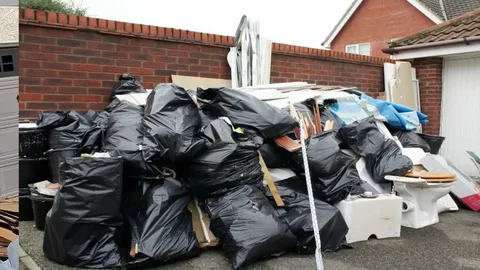
Scheduling a junk pickup may seem straightforward, but the process can become more complicated when the amount, type, and location of unwanted items are unclear. Homeowners and businesses often need to consider access, disposal requirements, labor, scheduling windows, and the condition of the property before arranging removal. J&S Hauling and Junk Removal helps customers approach these decisions with a clearer understanding of what a pickup may involve. Before booking junk removal in Elgin, IL, property owners should identify what needs to go, where it is located, and whether any items require special handling.
Key Takeaways
- Identify the type and approximate volume of unwanted materials before scheduling.
- Check whether large items require additional labor or access planning.
- Confirm what the removal service accepts before pickup day.
- Compare scheduling, pricing, and disposal practices rather than focusing only on the initial quote.
Start by Identifying What Needs to Be Removed
The first step is creating a clear picture of the materials involved. A few household items require a different approach from a garage cleanout, estate cleanout, renovation debris, or a property-wide removal.
Furniture, appliances, mattresses, boxes, yard debris, construction materials, and general household clutter can each occupy different amounts of space. The total volume often has a direct effect on labor requirements, vehicle capacity, and pricing.
Property owners should also separate items that may have special disposal requirements. Paint, chemicals, certain electronics, batteries, tires, and other regulated materials may not be accepted through ordinary junk pickup services.
Taking photographs before scheduling can make the initial conversation more productive. Pictures can help a removal company understand the approximate quantity and location of materials without requiring the property owner to describe every item individually.
Consider Access Before Pickup Day
Access is one of the most overlooked factors in junk removal. Items located near a driveway or ground-level entrance are generally easier to load than materials stored in a basement, upper floor, attic, or narrow side passage.
Large furniture may require additional space to maneuver through doorways and hallways. Heavy appliances may also require careful handling to prevent damage to walls, flooring, doors, or surrounding property.
Parking availability matters as well. If the removal vehicle cannot park close to the loading area, workers may need to carry items a greater distance. That can affect the time required to complete the job.
For multi-unit buildings, property owners should also determine whether building management requires advance notice or specific loading procedures. These details can prevent avoidable delays when the crew arrives.
Understand How Volume Can Affect Pricing
Removal pricing is often influenced by the amount of material being collected, but volume is not the only consideration. Labor requirements, item weight, access conditions, disposal needs, and travel can also affect the final cost.
A small number of unusually heavy or difficult items may require more work than a larger collection of lightweight household materials. Similarly, a full garage that is already organized near the driveway may be easier to remove than fewer items spread throughout multiple rooms.
Homeowners should ask what the quoted price includes. Important questions may involve loading labor, transportation, disposal, minimum charges, additional workers, and charges for unusually difficult items.
The broader waste management market also demonstrates the scale of material disposal in the United States. The Environmental Protection Agency has estimated that municipal solid waste generation reached approximately 292.4 million tons in 2018, illustrating the substantial volume of material that enters the waste stream.
Section 3: Check What the Pickup Can Accept
Not every unwanted item belongs in the same disposal stream. Before scheduling junk hauling services, property owners should confirm that the requested materials are accepted and understand whether any restrictions apply.
This is particularly important when a cleanup involves mixed materials. A garage may contain furniture, cardboard, old tools, appliances, electronics, paint, and miscellaneous household items. Some of these materials may require different disposal or recycling channels.
Recycling and donation opportunities can also affect how materials are handled. Usable furniture, working appliances, clothing, and certain household goods may have options beyond ordinary disposal, depending on their condition and local requirements.
The goal should be to identify questionable items before pickup day rather than discovering restrictions after the crew arrives. A short conversation about the material list can make scheduling more accurate and reduce unexpected complications.
Items Worth Reviewing Before Booking
- Separate ordinary household items from potentially restricted materials.
- Identify appliances, electronics, and unusually heavy objects.
- Check whether reusable goods can be donated or redirected.
- Photograph large piles or unusual items before requesting an estimate.
Prepare the Property Before the Crew Arrives
Good preparation does not necessarily mean moving everything outside. However, clearing obvious pathways can make the removal process faster and safer.
Homeowners can remove small personal belongings from larger furniture, unlock gates, secure pets, and make sure workers can reach the areas containing unwanted materials. If items are located in a garage, creating a clear path from the collection area to the exit can reduce unnecessary handling.
Safety should also be considered. Sharp objects, broken glass, exposed nails, and unstable piles can create hazards for anyone moving materials. Items should be secured or clearly identified when they present an unusual risk.
For larger cleanouts, it can help to divide the property into sections before pickup. This gives the crew a clearer understanding of what should be removed and helps prevent accidental removal of items the owner intends to keep.
Scheduling the Pickup Around the Property’s Needs
Timing matters when junk removal is connected to another project. A homeowner preparing to sell a property may need removal completed before photography or showings, while a landlord may need a unit cleared before a new tenant moves in.
Renovation projects create another scheduling consideration. Construction debris should be removed at appropriate stages so it does not obstruct contractors or reduce usable work space.
Seasonal cleanouts can also create demand for removal services. Spring cleaning, moving periods, property turnover, and post-renovation cleanup may require more advance planning than a routine small pickup.
Property owners should therefore choose a scheduling window that provides enough flexibility for access and preparation. A rushed appointment can create unnecessary pressure when the materials have not yet been organized.
Section 4: Compare Local Service Factors Before Booking
Choosing junk removal companies in Elgin should involve more than comparing advertised prices. Owners should evaluate what each service includes, how estimates are handled, how crews communicate, and what happens to collected materials.
A clear service description can help prevent misunderstandings. The customer should know whether the quoted price includes loading, labor, transportation, and disposal, as well as whether there are limitations involving certain materials.
Local knowledge can also be useful when a property has unusual access or disposal considerations. An experienced provider is more likely to recognize the practical challenges involved with apartment buildings, older homes, commercial spaces, garages, basements, and larger cleanouts.
The customer experience matters as well. Reliable scheduling, clear arrival communication, respectful property handling, and transparent expectations can make a significant difference when the removal involves an entire room or property.
Pickup Preparation Priorities
- Confirm the service scope before the appointment.
- Make pathways and access points as clear as practical.
- Identify restricted or unusual materials in advance.
- Keep personal belongings separate from items designated for removal.
Think About Disposal, Recycling, and Reuse
Responsible removal involves more than getting unwanted materials out of a property. Depending on the material and its condition, some items may have opportunities for reuse, recycling, donation, or appropriate disposal.
Cardboard, certain metals, electronics, appliances, and other materials may have separate processing requirements. Usable household goods may also be suitable for donation when they remain in acceptable condition.
Property owners should ask how collected materials are handled when disposal practices are an important consideration. Understanding the process can help them choose a service that aligns with their expectations.
The EPA has reported that recycling and composting accounted for roughly 32.1% of U.S. municipal solid waste in 2018. While individual pickup results vary by material and local infrastructure, the figure highlights the role that sorting and material recovery can play in reducing landfill dependence.
Common Questions Before Scheduling a Pickup
How should someone estimate the amount of junk they have?
They can group the materials by room, pile, or item type and provide photographs when possible. This gives the removal company a clearer understanding of the approximate volume and labor involved.
Should furniture be disassembled before pickup?
Not always. Some large pieces may be easier to handle when partially disassembled, but customers should ask the removal provider whether that preparation is necessary. The safest approach depends on the furniture, access conditions, and service scope.
Can everything from a garage cleanout be removed together?
Not necessarily. Ordinary household clutter, furniture, cardboard, and many common garage items may be accepted, while chemicals, certain hazardous materials, or restricted waste may require separate handling. Customers should confirm questionable materials before scheduling.
Does the location of the junk affect the pickup?
Yes. Materials located near an accessible driveway or entrance may require less labor than items in a basement, attic, upper floor, or difficult-to-reach area. Access can influence the time and effort required.
When should a homeowner schedule a large cleanout?
Large cleanouts should generally be scheduled after the unwanted items have been identified and separated from belongings that will remain. Allowing additional preparation time can make the pickup more organized and reduce last-minute decisions.
What to Consider Before Confirming the Appointment
The best pickup decision comes from understanding the complete job rather than focusing on one factor. Property owners should know what materials will be removed, where they are located, how much access is available, and whether any items require special handling.
They should also consider the timing of the pickup in relation to moving, renovations, property sales, tenant turnover, or other activities. A well-timed removal can create usable space without interfering with other work happening at the property.
Clear communication before the appointment is ultimately the most useful preparation. When the customer provides accurate information and asks the right questions, the removal company can better plan labor, equipment, scheduling, and disposal arrangements.
Making Junk Removal Easier
A successful pickup begins before the truck arrives. Identifying materials, evaluating access, confirming service restrictions, preparing pathways, and understanding pricing can make the process more predictable.
For Elgin property owners, the decision should be based on the complete service rather than an advertised starting price. Clear expectations about the materials, labor, scheduling, and disposal process help reduce surprises and create a smoother experience from the initial booking through final cleanup.
Schedule a Local Pickup
When unwanted furniture, appliances, household clutter, or accumulated materials are taking up valuable space, J&S Hauling and Junk Removal can help property owners plan the next step. Customers can discuss the items involved, property access, preferred timing, and the scope of the cleanup before scheduling. Clear information at the beginning allows the pickup to be planned around the property’s needs. For homeowners, landlords, businesses, or property managers preparing for a cleanout, direct communication can make the removal process easier to organize and complete.