
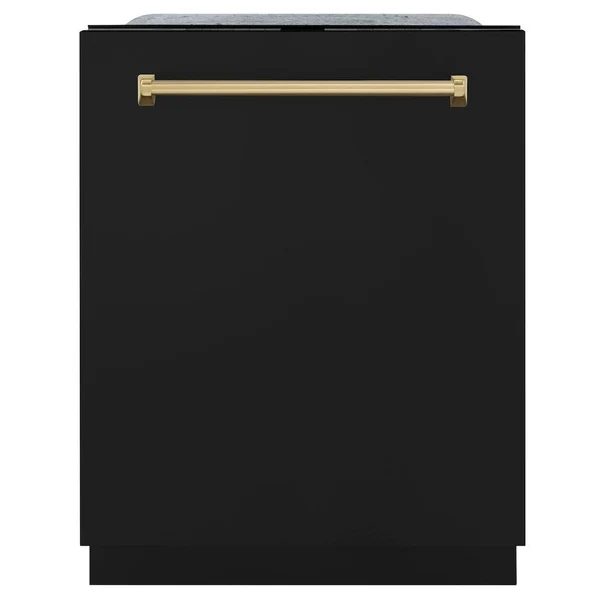
Small kitchens require careful use of space, and every appliance has to justify the room it occupies. A compact dishwasher can be a practical option for apartments, condos, guest suites, studio kitchens, and homes where a standard 24-inch model would take up too much cabinet space. The challenge is finding a smaller appliance that still provides suitable capacity, cleaning performance, efficient water use, and convenient loading.
Not every compact model is designed the same way. Width, rack configuration, wash cycles, noise level, installation type, and energy performance can all affect daily usability. Looking at these features before purchasing can help homeowners choose a machine that fits both the kitchen and their dishwashing habits.
1. Measure the Available Space Carefully
The first step is confirming the exact dimensions available for installation.
A compact dishwasher is often narrower than a standard built-in model, but actual measurements can vary. Buyers should check width, depth, and height, along with any clearance needed for the door to open fully.
Cabinet dimensions should be measured in more than one place because older cabinetry may not be perfectly square.
It is also important to consider nearby drawers, cabinet doors, and walkways. A dishwasher may technically fit into the opening but still create a problem if the open door blocks access to another part of the kitchen.
2. Compare Capacity, Not Just Exterior Size
Compact appliances usually have less interior space, but efficient rack design can make a significant difference.
Some models include adjustable racks, fold-down tines, dedicated cutlery baskets, or third racks that improve organisation. These features can help a smaller machine accommodate a surprising number of plates, glasses, bowls, and utensils.
When comparing a compact dishwasher, think about the size and shape of the dishes used most frequently.
Large dinner plates, tall glasses, frying pans, and mixing bowls may not fit as easily as they would in a full-size dishwasher. Flexible rack layouts can therefore be more valuable than simply counting place-setting capacity.
3. Check the Noise Rating
Noise matters considerably in smaller homes and open-plan kitchens.
Dishwasher sound is generally expressed in decibels, or dB. Lower ratings typically indicate quieter operation.
A quieter compact dishwasher can be especially useful in studio apartments or kitchens connected directly to living and dining spaces. Running a noisy appliance during a conversation, movie, or work-from-home meeting can quickly become frustrating.
Consumers comparing premium dishwashers may therefore want to prioritise noise performance alongside cleaning features.
A few decibels can make a noticeable practical difference, especially when the machine runs for extended cycles.
4. Look at the Available Wash Cycles
More wash programmes do not automatically mean better performance.
Most households need a reliable everyday cycle, a heavier programme for heavily soiled dishes, and an efficient option for lighter loads. Additional modes may include quick wash, delicate glassware, sanitising, or rinse-only settings.
A compact dishwasher should offer cycles that match the household’s normal dishes rather than an oversized list of programmes that rarely get used.
Cycle length also matters. Energy-efficient programmes may take longer because they use lower temperatures and reduced water flow over an extended period.
Understanding this trade-off can prevent disappointment after installation.
5. Evaluate Drying Performance
Cleaning dishes is only part of the job.
Some dishwashers use heated drying, while others rely more heavily on condensation, automatic door opening, or residual heat. Each system has different effects on energy use and drying performance.
Plastic containers can be especially difficult to dry because they retain less heat than ceramic or glass items.
When choosing a compact dishwasher, check how the drying system works and whether the machine offers an enhanced drying option.
For households that wash a large number of plastic food-storage containers, drying performance may be just as important as stain removal.
6. Review Water and Energy Efficiency
Smaller appliances are often associated with efficiency, but actual performance depends on the model and chosen cycle.
A dishwasher that uses less water per cycle can help reduce household consumption, particularly when it replaces frequent handwashing under running water.
Energy use is influenced by water heating, cycle length, drying method, and motor efficiency.
Some luxury dishwashers may include sensors that adjust water use and cycle duration according to soil levels. These features can improve efficiency when loads vary significantly from day to day.
Buyers should compare official energy information rather than assuming that a premium price automatically means lower operating costs.
7. Consider Installation Requirements
A built-in dishwasher usually requires a water supply, drain connection, electrical connection, and suitable cabinet opening.
Before installing a compact dishwasher, homeowners should check whether the existing plumbing and electrical setup can support the selected model.
Drain hose routing also matters. Poor installation can contribute to drainage problems, leaks, or inefficient operation.
Anyone replacing an older unit should avoid assuming that the connections will automatically line up with the new appliance.
Professional installation may be worthwhile where plumbing, cabinetry, or electrical modifications are required.
8. Think About Loading Habits
The best dishwasher is one that fits the way a household actually cooks and eats.
A person who mainly uses plates, bowls, mugs, and cutlery may find a compact dishwasher perfectly adequate. Someone who regularly washes large cookware, baking trays, or oversized serving dishes may find the reduced interior volume limiting.
Rack flexibility can help, but it cannot completely compensate for a smaller cabinet.
Before buying, consider what typically accumulates in the sink after one day. This provides a more realistic picture of required capacity than manufacturer photos alone.
Is a Compact Dishwasher Suitable for a Family?
It can be, but household size and washing habits matter.
A small family that runs the dishwasher daily may find a compact model sufficient. A larger household that prefers to load several meals’ worth of dishes before starting a cycle may need more capacity.
Frequent entertaining can also change the calculation.
A compact dishwasher works best when its reduced dimensions solve a genuine space problem without creating constant loading inconvenience.
Homeowners should therefore balance available kitchen space against how many dishes are produced during a typical day.
Built-In vs. Portable Compact Dishwashers
Compact models can come in different configurations.
Built-in units create a more integrated appearance and connect permanently to plumbing. Portable versions may be useful in kitchens where permanent installation is not practical.
Countertop machines provide another small-space option, although their capacity is generally more limited.
The correct format depends on available cabinetry, plumbing, rental restrictions, and the amount of counter or floor space available.
For homeowners looking at a compact dishwasher as part of a kitchen renovation, a built-in design usually provides the most seamless appearance.
Are Premium Features Worth Paying For?
Higher-end dishwashers may include quieter motors, flexible racks, interior lighting, advanced drying systems, specialised wash zones, and more refined controls.
These features can improve convenience, but their value depends on how frequently they will be used.
Someone comparing premium dishwashers should prioritise practical benefits such as lower noise, rack flexibility, reliable drying, and better construction before focusing on decorative or rarely used technology.
Likewise, luxury dishwashers should still be judged on everyday cleaning performance, efficiency, serviceability, and installation compatibility.
How Long Should a Dishwasher Last?
Dishwasher lifespan depends on build quality, frequency of use, water quality, maintenance, and repair history.
Regular cleaning of filters, checking spray arms, using appropriate detergent, and avoiding overloading can help maintain performance.
Mineral-rich water can also contribute to buildup over time, so local water conditions may influence maintenance needs.
A compact dishwasher should be evaluated as a long-term appliance rather than a temporary space-saving solution.
Warranty coverage, replacement-part availability, and access to service technicians are therefore worth checking before purchase.
Conclusion
A smaller dishwasher can work extremely well when it is matched carefully to the kitchen and household. The right compact dishwasher should provide enough usable capacity, suitable wash cycles, reasonable noise levels, efficient water use, and a rack layout that accommodates the dishes used most often. When comparing a dishwasher for sale, buyers should look beyond headline price and evaluate installation requirements, drying performance, interior flexibility, energy use, warranty terms, and expected service needs. A compact model is most successful when it saves space without creating daily inconvenience. Measuring accurately and understanding real loading habits before buying can help homeowners choose a dishwasher that remains practical well after installation.