
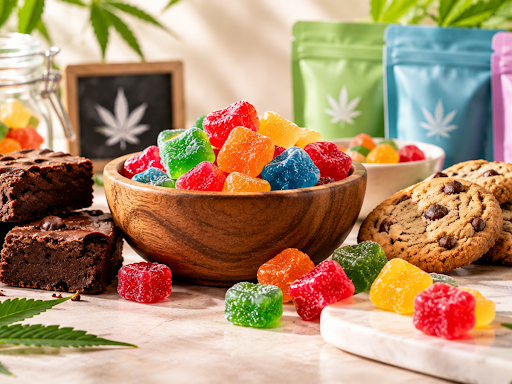
Cannabis-infused treats have become an increasingly popular alternative to smoking or vaping. For adults who choose to consume hemp-derived THC products, like THC candy edibles where permitted, edibles offer a discreet and flavorful way to enjoy cannabis. However, choosing the right product requires more than selecting a preferred flavor. Understanding potency, serving information, ingredients, product testing, and expected effects can help consumers make informed decisions.
Understand How Edibles Differ From Other THC Products
One of the biggest differences between THC candy edibles and inhaled cannabis is how quickly their effects may appear. According to the Centers for Disease Control and Prevention, edible cannabis can take anywhere from 30 minutes to two hours to produce noticeable intoxicating effects, while the effects can last longer than expected.
This delayed onset makes patience particularly important. Consumers may mistakenly take more because they do not immediately notice an effect. Reading the package carefully and following its serving instructions can help reduce the risk of consuming more THC than intended.
Edibles also provide a different sensory experience. Instead of inhaling smoke or vapor, consumers can choose products designed around flavors and textures, making them appealing to people who prefer food-based formats.
Look at Potency and Product Information
When comparing THC candy edibles, potency should be one of the first considerations. The amount of THC can vary considerably between products, so consumers should check the package for the total THC content and serving information.
Clear labeling is especially important because the actual strength of an edible can influence how strongly and how long its effects are experienced. The CDC notes that THC concentration in edible products can sometimes be difficult to measure accurately, reinforcing the importance of choosing products with transparent labeling and reliable testing.
Consumers should also review ingredient lists for allergens or ingredients they may wish to avoid. Flavor, texture, and format can then become secondary considerations when narrowing down suitable choices.
Prioritize Testing and Responsible Storage
Quality assurance matters when selecting any ingestible product containing THC. Third-party laboratory testing can provide useful information about potency and product purity. High Tide states that its THC products undergo third-party testing for purity, potency, and safety, providing consumers with additional product information.
Responsible storage is equally important. THC-infused treats can resemble conventional candy or snacks, creating a risk of accidental consumption. The CDC recommends keeping cannabis products in a locked, child-resistant location away from children and pets.
Consumers should also avoid driving or operating machinery after using THC products. Cannabis can impair coordination, reaction time, decision-making, and perception, making responsible use an important part of the overall experience.
Choose Flavor and Format Based on Your Preferences
Once potency, labeling, and testing have been considered, flavor and format can make the selection more enjoyable. Modern edible collections may include gummies, chocolates, and other candy-inspired formats, giving consumers different textures and flavor profiles to explore.
High Tide’s current edible lineup includes gummies, chocolate, and pebble-style products, illustrating how THC-infused products can move beyond traditional cannabis formats.
The best choice ultimately depends on personal taste and the product information available. Rather than selecting an edible solely because it looks or tastes appealing, consumers should consider the complete package: clearly stated THC content, ingredients, testing information, appropriate storage, and responsible-use guidance.
Conclusion
Choosing the right edible involves balancing flavor, format, product transparency, and responsible consumption. THC pebble bite products can be one option for adults looking for a candy-style format, while gummies and chocolate provide other textures and flavor experiences. Whatever the format, checking the label, understanding the delayed onset of edibles, storing products securely, and following applicable laws can help support a more informed experience.