
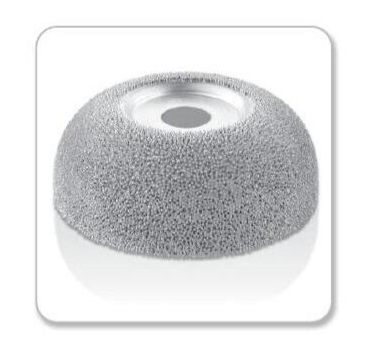
Surface preparation is a critical step in many tire-repair and rubber-processing applications. The quality of the finished surface can influence adhesion, repair consistency, heat generation, operator control, and the life of the repair itself. A rubber buffing wheel is commonly used to remove damaged rubber, create a textured bonding surface, and prepare an area for additional repair materials.
Choosing the right wheel is not simply a matter of diameter or price. Grit, tooth design, operating speed, tool compatibility, pressure, and the condition of the rubber can all affect performance. Understanding these variables helps technicians achieve more consistent results while reducing unnecessary material removal.
Why Surface Preparation Matters
A repair material needs a properly prepared surface if it is going to bond effectively.
Old rubber, contamination, oxidation, or an excessively smooth surface can interfere with adhesion. A rubber buffing wheel helps remove unwanted material while creating a surface profile that is more suitable for the next stage of repair.
The objective is controlled preparation, not aggressive grinding.
Removing too much rubber can weaken the area or alter the intended repair dimensions. Removing too little may leave contamination or damaged material behind.
This balance is why wheel selection and operator technique are equally important.
Choose the Right Wheel for the Rubber Type
Rubber compounds can vary significantly in hardness, thickness, and construction.
A wheel that performs well on one material may behave differently on another. Softer rubber can load the wheel more quickly, while harder compounds may require more cutting action.
When selecting a rubber buffing wheel, technicians should consider:
- Rubber hardness
- Repair depth
- Surface condition
- Required texture
- Tool speed
- Wheel size
- Amount of material to remove
Matching the wheel to the application helps reduce excessive heat and improves control.
Grit and Tooth Design Affect the Finish
Surface texture is influenced by the cutting characteristics of the wheel.
A more aggressive wheel may remove material quickly but leave a rougher profile. A finer design may provide greater control and a more uniform finish.
The correct rubber buffing wheel should create the surface required by the repair procedure rather than simply removing material as quickly as possible.
Technicians should also inspect the wheel regularly. Worn or clogged cutting surfaces can reduce efficiency and lead operators to apply excessive pressure.
That extra pressure may increase heat generation and make the tool harder to control.
Operating Speed Matters
Rotational speed has a major effect on how a buffing wheel behaves.
Too little speed may reduce cutting efficiency, while excessive speed can increase heat, vibration, and the risk of damaging the rubber.
A rubber buffing wheel should always be operated within the speed range specified for both the wheel and the tool.
The rated speed of the wheel should never be exceeded.
Tool condition also matters. Worn bearings, damaged shafts, or poor alignment can create vibration that affects surface quality and operator safety.
Use Light, Controlled Pressure
Pressing harder does not necessarily improve the result.
Excessive pressure can generate heat and cause the wheel to remove material unevenly. It may also shorten wheel life.
A rubber buffing wheel generally performs best when the operator allows the cutting surface to do the work.
Using smooth, overlapping passes can help maintain a consistent profile.
Pressure should remain controlled enough that the operator can see and feel how the rubber is responding. If the surface begins to smear, overheat, or discolor, the process should be reassessed.
Heat Can Damage the Prepared Area
Rubber is sensitive to heat.
Aggressive grinding can create enough friction to alter the surface, potentially affecting the quality of the repair.
When using a rubber buffing wheel, heat can increase due to:
- Excessive pressure
- High tool speed
- A dull wheel
- Prolonged contact in one spot
- Poor wheel selection
Keeping the tool moving and using an appropriate cutting action helps control temperature.
A surface that looks scorched or smeared may need to be reworked according to the repair procedure.
Keep the Wheel Clean
Rubber particles can build up on cutting surfaces.
This loading reduces efficiency and can change the way the wheel contacts the material. Operators may then compensate by pressing harder, which creates additional heat.
A clean rubber buffing wheel provides more predictable cutting action.
Maintenance should follow the manufacturer’s instructions, and wheels should be replaced when they become worn, damaged, or unable to maintain the required surface condition.
Trying to extend the life of a worn wheel can reduce both productivity and repair consistency.
Tool Compatibility Should Be Checked
Not every wheel fits every tool.
Diameter, arbor size, mounting system, rotational speed, and power requirements must all be compatible.
Before installing a rubber buffing wheel, technicians should confirm that the tool is designed for the wheel being used.
Improvised mounting methods should be avoided.
The wheel should sit securely and run without wobble. Any vibration after installation may indicate incorrect mounting, damage, or a mechanical issue that should be corrected before work continues.
Surface Contamination Must Be Removed
Buffing should not simply spread contamination across the repair area.
Oil, dirt, moisture, release agents, and other residues can interfere with repair materials.
The area should be cleaned according to the specified repair procedure before and after buffing where required.
A rubber buffing wheel should be used to create the desired surface profile, not as a substitute for proper cleaning.
Using the same wheel on heavily contaminated material can also transfer residue to other surfaces.
Good workshop practices help keep both the tool and repair area cleaner.
Consistency Matters More Than Aggressiveness
A repair surface should be uniform.
Deep gouges, high spots, and uneven texture can create problems during later stages.
The best rubber buffing wheel setup is one that allows the technician to create a controlled finish repeatedly.
That may mean using a slightly less aggressive wheel and making additional passes rather than trying to remove all material at once.
For production environments, consistent technique can also help reduce differences between operators.
Documented procedures, correct tools, and regular training all contribute to more predictable results.
Inspect the Surface Before Moving On
Buffing should always be followed by inspection.
The technician should verify that damaged material has been removed and that the surface matches the required repair profile.
Look for:
- Remaining contamination
- Uneven texture
- Burned areas
- Deep grinding marks
- Loose rubber
- Incorrect repair dimensions
If the result is not correct, the area should be addressed before cement, patch material, or other repair components are applied.
A rubber buffing wheel is only one part of the process, and a poor preparation stage can compromise everything that follows.
Safety Equipment Is Essential
Buffing operations can create dust, rubber particles, noise, and rotating-tool hazards.
Appropriate personal protective equipment may include:
- Eye protection
- Hearing protection
- Suitable respiratory protection where required
- Gloves appropriate to the task
- Protective clothing
Machine guards should remain in place, and operators should follow safe work procedures.
A damaged rubber buffing wheel should never be used.
Before starting, inspect the wheel for cracks, abnormal wear, or mounting problems.
Maintenance Improves Long-Term Performance
Tool maintenance supports both safety and surface quality.
Air tools and electric grinders should be inspected regularly for wear, vibration, speed control, and mounting condition.
A rubber buffing wheel cannot perform consistently if the tool driving it is unstable or operating outside its intended range.
Regular maintenance can also reduce downtime by identifying worn components before they fail during a repair.
For busy tire-repair operations, this preventive approach can help maintain more consistent workflow.
Conclusion
A rubber buffing wheel plays an important role in preparing rubber surfaces for repair, but good results depend on wheel selection, speed, pressure, cleanliness, heat control, tool condition, and operator technique. The objective should always be controlled material removal and a uniform surface rather than maximum aggressiveness. A roll grinding wheel, by comparison, is typically associated with precision grinding of cylindrical rolls used in industrial applications, where dimensional accuracy and a controlled surface finish are key requirements. By matching the wheel to the rubber, maintaining the tool correctly, and inspecting the surface before moving to the next repair stage, technicians can improve consistency while reducing unnecessary damage and rework.