
A finished basement, a converted garage, a sunroom with proper windows finally installed. These spaces share one frustrating problem: the HVAC system doesn’t reach them. Wall heaters fill that gap without requiring a contractor to rip through finished ceilings or extend ductwork that was never designed to go there.
Central heating follows the original blueprint of a house. Ductwork runs through walls and floors that already existed at build time, and routing it into a new addition or a below-grade basement isn’t a weekend job. It’s an expensive structural project that often costs more than the room itself to finish. So homeowners end up with well-insulated, livable spaces that are either freezing from December through February or kept barely functional by extension cords and freestanding space heaters clustered on the floor.
What Wall Heaters Do When Your HVAC Stops at the Wall
Electric wall heaters mount directly to a wall surface and connect to a standard outlet or get hardwired into an existing circuit. No ductwork involved. No permits for major mechanical work. A converted garage can have consistent, reliable heat in a single afternoon.
The heating mechanism itself is worth understanding before buying. Convection heaters pull cool air in from floor level, warm it internally, and let it rise naturally through the room. This type of wall heater works well in enclosed spaces like sunrooms or home offices where air can circulate without interruption. Fan-forced heaters move air more aggressively and heat a space faster, which makes them a better fit in a garage or large basement where the temperature needs to climb quickly from a cold start.
Panel heaters designed for permanent installation run at a steady output rather than cycling in bursts, and that consistency is what makes wall heaters more cost-effective over time than portable alternatives. Energy-efficient heaters in this format draw only what’s needed for the specific room, not the full load of a whole-house system trying to push heat through 40 feet of ductwork.
Finding the Right Wall Heaters for Each Space
Sunrooms lose heat through glass faster than almost any other room type. Even when connected to a central system, sunrooms often run 10 to 15 degrees colder than the rest of the house because the ductwork just can’t compensate for that much surface area. A thermostat wall heater installed directly in the sunroom gives the space independent temperature control, so it stays comfortable without forcing the rest of the house to run warmer.
Basements hold warmth differently. Once they get up to temperature, they tend to stay there, but reaching that point takes longer without a direct heat source. Wall heaters placed near the areas where people actually spend time, a desk setup, a TV corner, a home gym, warm the zone that matters rather than the full square footage that includes utility space, storage, and a laundry corner. That targeted approach cuts energy use in a way that a shared central system can’t replicate.
Converted garages vary the most. They’re often the least insulated of the three, sometimes just a single drywall layer between the living space and the exterior wall, and they come in wildly different sizes. Portable wall heaters that plug into an outlet work for seasonal use. A hardwired unit is the better call if the garage has become a daily-use workshop or a year-round gym.
Wall Heaters Built for Rooms HVAC Forgets
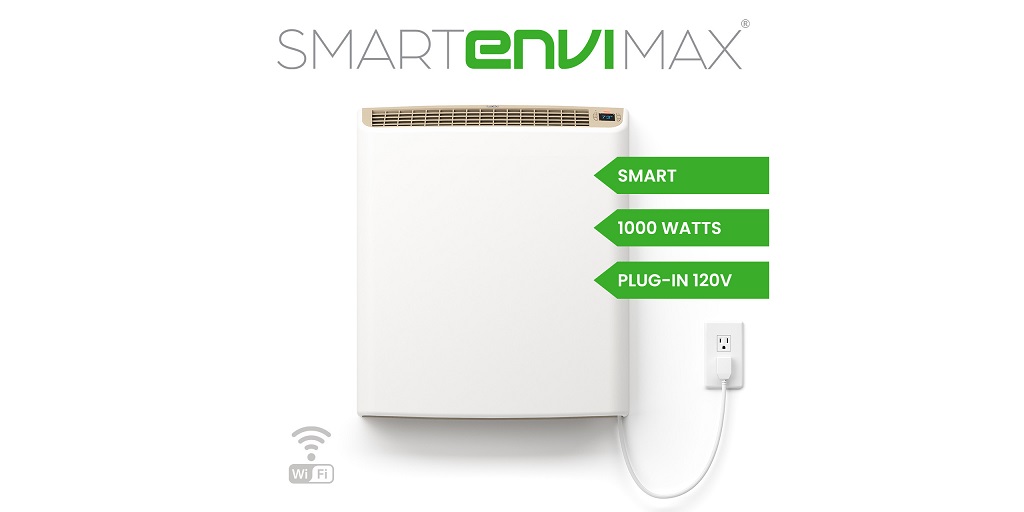
Rooms that fall outside a home’s central heating plan don’t have to stay that way. The range of electric wall heaters available now covers most scenarios a room addition creates: plug-in models for renters or seasonal spaces, hardwired units for permanent setups, 500-watt options for smaller rooms, 1000-watt models for larger or harder-to-heat spaces, and smart versions with scheduling and remote temperature control.
Eheat carries electric wall heaters designed specifically for these situations, with models across wattages and installation types. If you’re working through what a new room actually needs to stay warm, their product line is a practical place to start.
——————————————————————-
For More Information About Wall Mounted Garage Heater 120v and Space Heater Made In Usa Please Visit: Eheat, Inc.