
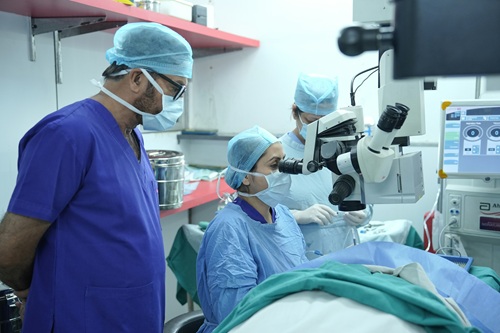
LASIK surgery is a popular laser vision correction procedure that can reduce dependence on glasses or contact lenses. Although the procedure itself is relatively quick, proper aftercare plays an important role in supporting healing and achieving stable vision. Most people experience noticeable improvement in vision soon after LASIK, but the eyes continue to heal over the following weeks and months.
Following your ophthalmologist’s instructions carefully can help reduce the risk of complications and make your recovery more comfortable. Here are some important LASIK aftercare dos and don’ts to keep in mind.
What to Do After LASIK Surgery
1. Use Prescribed Eye Drops
Your eye doctor may prescribe antibiotic, anti-inflammatory, lubricating, or other eye drops after surgery. Use them exactly as directed. Artificial tears may also be recommended to help manage dryness and irritation.
Avoid using any eye drops that have not been recommended by your ophthalmologist.
2. Rest Your Eyes After the Procedure
Give your eyes adequate rest immediately after LASIK. You may experience mild discomfort, watering, sensitivity to light, or blurry vision during the first few hours.
It is generally advisable to avoid unnecessary screen use immediately after surgery and allow your eyes to rest. Follow your surgeon’s instructions regarding when you can resume regular activities.
3. Wear Protective Eyewear When Advised
Your doctor may recommend wearing protective shields while sleeping during the early recovery period. This can help prevent accidental rubbing or pressure on the eyes while you sleep.
Sunglasses can also be useful outdoors, particularly if you experience light sensitivity.
4. Attend Follow-Up Appointments
Do not skip your scheduled post-operative check-ups. Your ophthalmologist will examine your eyes and monitor healing and vision.
Follow-up appointments also provide an opportunity to discuss symptoms such as dryness, fluctuating vision, glare, halos, or discomfort.
5. Keep Your Eyes Clean
Be careful when washing your face and around your eyes during the initial recovery period. Follow your surgeon’s specific instructions about when it is safe to get water, soap, or other products near your eyes.
Good hygiene can help reduce the risk of infection.
6. Follow Your Doctor’s Activity Guidelines
Most people can gradually return to their normal routine after LASIK, but the timeline varies. Your ophthalmologist will advise you when you can resume activities such as exercise, swimming, driving, and contact sports.
Do not assume that feeling better means your eyes have completely healed.
What Not to Do After LASIK Surgery?
1. Do Not Rub Your Eyes
One of the most important precautions after LASIK is to avoid rubbing or pressing on your eyes. Rubbing can irritate the eyes and may interfere with healing.
If your eyes feel itchy or uncomfortable, use the recommended lubricating drops instead of rubbing them.
2. Avoid Swimming for the Recommended Period
Swimming pools, hot tubs, lakes, and other bodies of water can expose healing eyes to microorganisms and irritants. Your doctor will tell you when it is safe to swim again.
Similarly, avoid getting potentially contaminated water into your eyes during the early recovery period.
3. Avoid Eye Makeup Initially
Eye makeup such as mascara, eyeliner, and eyeshadow can potentially irritate the eyes or introduce bacteria. Your surgeon will advise you when you can safely resume using these products.
When you restart makeup, using clean products and applicators is advisable.
4. Limit Exposure to Dust and Smoke
Dust, smoke, and other airborne irritants can cause discomfort and dryness during recovery. Try to avoid smoky or dusty environments, particularly during the initial healing period.
If exposure is unavoidable, follow your doctor’s advice regarding protective eyewear.
5. Do Not Drive Until Your Doctor Says It Is Safe
Although vision can improve rapidly after LASIK, it may initially fluctuate or remain blurry. Avoid driving until your vision meets the required standard and your ophthalmologist confirms that it is safe.
Your ability to drive should be based on your actual visual clarity rather than simply the number of days since surgery.
6. Avoid Contact Sports Without Protection
Activities that could result in an impact to the eye may need to be avoided for a period after LASIK. If you participate in contact sports, ask your ophthalmologist when you can safely return and whether protective eyewear is required.
What Is Normal During LASIK Recovery?
Some temporary symptoms are common after LASIK. These may include:
- Mild burning or stinging
- Watery eyes
- Light sensitivity
- Temporary blurry or fluctuating vision
- Dry or gritty sensation
- Glare or halos around lights
These symptoms generally improve as the eyes heal, but the recovery experience varies from person to person.
Dry eyes are particularly common after LASIK and may persist for several weeks or, in some cases, longer. Your ophthalmologist can recommend suitable lubricating drops or other treatment if needed.
When Should You Contact Your Eye Doctor?
While mild discomfort and temporary visual changes can occur after LASIK, certain symptoms require prompt medical attention.
Contact your ophthalmologist if you experience severe or increasing eye pain, sudden deterioration in vision, significant redness, discharge, swelling, or other symptoms that concern you. Do not wait for a scheduled follow-up appointment if you notice a significant or sudden change in your vision.
How Long Does LASIK Recovery Take?
LASIK generally has a relatively short initial recovery period. Many patients notice improved vision within the first day or few days, and some are able to return to routine activities relatively quickly.
However, visual stabilization and complete healing can take longer. Dryness, glare, halos, or fluctuations in vision may occur during the weeks following surgery. The exact recovery timeline depends on factors such as your eye health, prescription, healing response, and the type of procedure performed.
Final Thoughts
LASIK aftercare is an important part of the vision correction process. Using prescribed eye drops, attending follow-up appointments, protecting your eyes, avoiding rubbing, and following restrictions on swimming, makeup, exercise, and contact sports can support a smoother recovery.
Most importantly, follow the personalized instructions provided by your ophthalmologist, as aftercare recommendations can differ depending on your individual eye condition and surgical procedure. If you experience unusual or worsening symptoms after LASIK, contact your eye-care professional promptly rather than attempting to manage them yourself.