
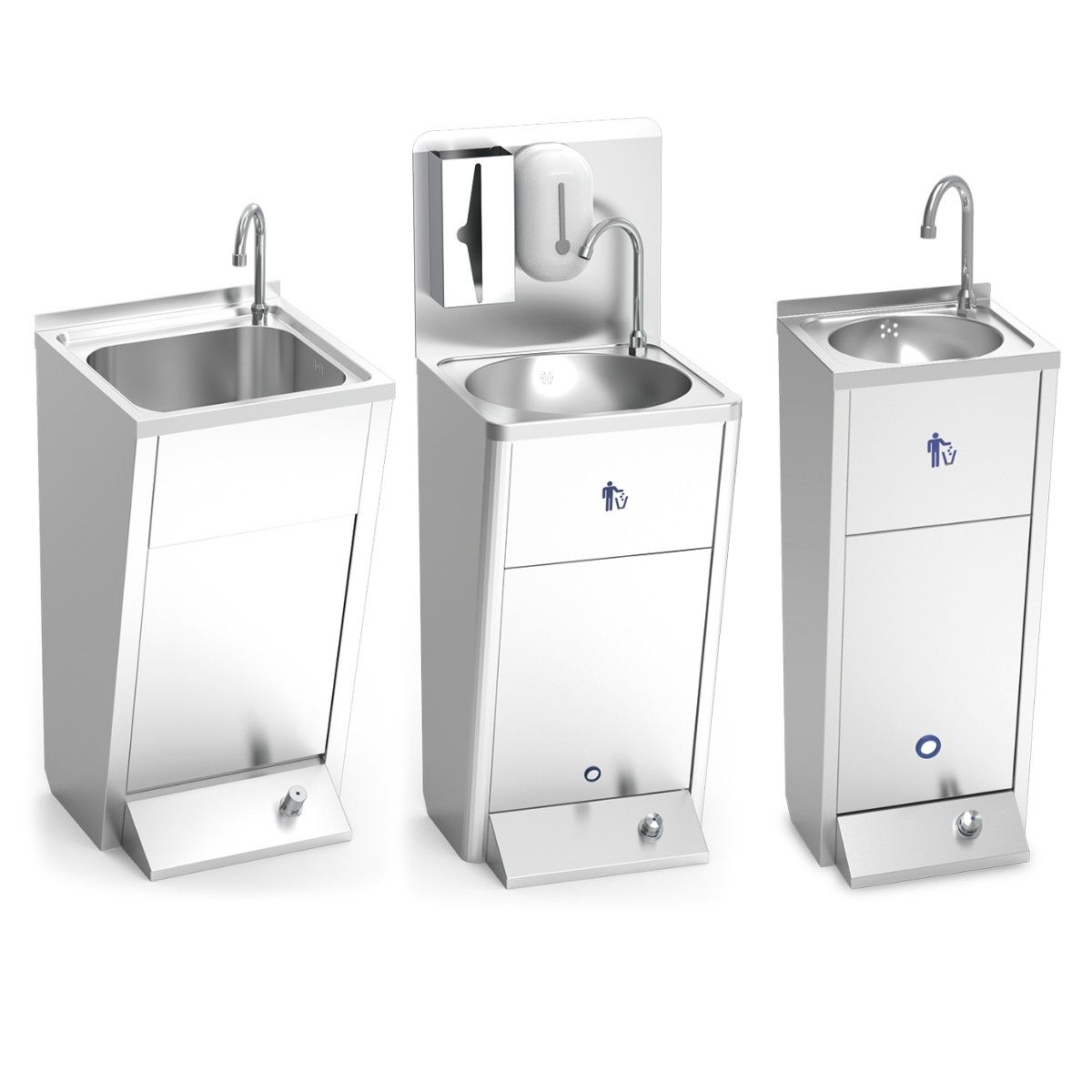
Every square foot of a commercial kitchen or event space costs money, and fixed plumbing has a habit of dictating where that space gets used, not the other way around. A no plumbing sink with hot water flips that arrangement – the equipment adapts to the layout instead of the layout being built around a pipe run.
The Hidden Cost of a Fixed Pipe Run
Plumbing a sink into a permanent location isn’t just the install cost, though that’s real enough on its own. It’s the fact that once a sink is plumbed in, the layout around it is locked. Moving a prep station, reconfiguring a kitchen for a new menu, or repurposing a corner for storage all become harder once there’s a water line running under the floor to that exact spot. Businesses renting space, running pop-ups, or operating out of shared kitchens feel this most acutely – a fixed sink is dead weight the moment the lease changes or the event moves venues.
What Floorplan Agility Actually Looks Like
A self-contained unit removes that constraint entirely. A few practical benefits show up almost immediately once plumbing is out of the equation:
- Sinks can be repositioned within a kitchen as workflow changes, without touching the floor or walls
- Seasonal businesses can pack up and redeploy the same unit at a different site each time
- Rented or leased spaces don’t require landlord approval for plumbing work
- Compliance with handwashing regulations travels with the equipment, not the building
That flexibility matters more in food service than almost any other industry, since menus change, footfall patterns shift, and a layout that worked last year often doesn’t work this one.
Hot Water Without the Fixed Line
The main reason operators used to accept plumbing was hot water access – running a heated line was seen as the only reliable way to get warm water at a hand wash station. That’s no longer the case. Modern hot water hand wash stations now come with integrated heating built directly into a self-contained tank, delivering the same compliant water temperature without a single pipe connected to the building. The unit heats on demand, holds enough capacity for a full shift, and gets refilled the same way any portable equipment does.
Stainless Steel Still Does the Heavy Lifting
Removing plumbing doesn’t mean compromising on build quality. Stainless steel construction remains the standard for these units because it holds up against the repeated moving, washing down, and general wear that comes from equipment that isn’t bolted to one spot for its entire life. Cheaper materials warp or corrode faster once they’re handled this way, which defeats the purpose of buying something meant to be portable in the first place.
Where This Pays Off Fastest
Catering operations, food trucks, market stalls, and any business that rotates between venues see the clearest return here, but even fixed kitchens benefit when renovation or expansion is on the table. A no plumbing sink with hot water installed today doesn’t need to be ripped out and replumbed if the kitchen layout changes next year – it just gets moved.
The Real Argument for Going Plumbing-Free
Fixed plumbing isn’t inherently a problem, but it locks in decisions that food service businesses often need to unmake sooner than expected. A self-contained sink keeps that decision open, cuts the upfront install cost, and gives operators room to adapt their floorplan as the business actually grows rather than as the pipework allows.
Lioninox supplies self-contained, no-plumbing stainless-steel sinks with integrated hot water for kitchens, catering operations, and mobile food service across the UK.