
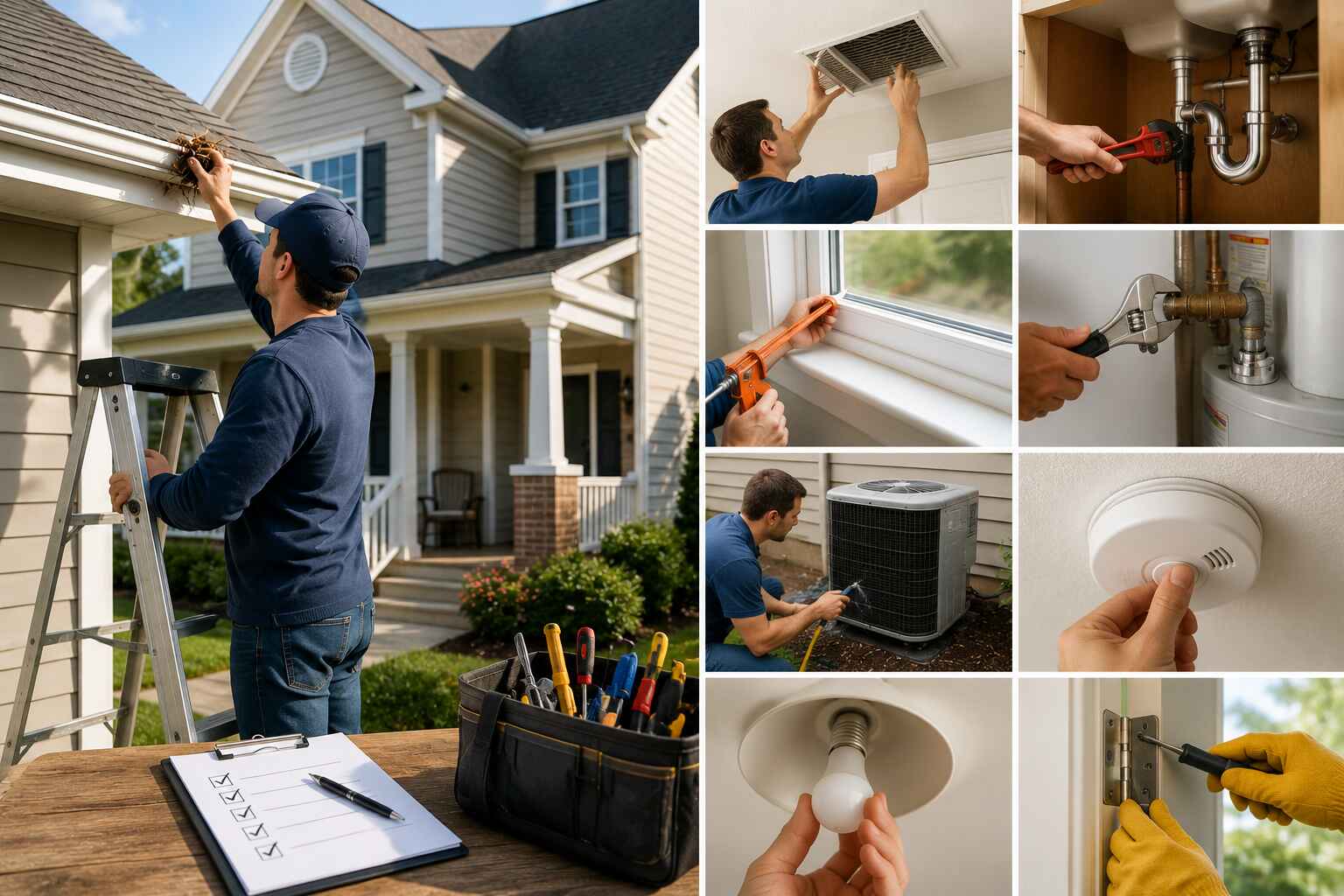
Buying your first home feels like crossing a finish line. Then you move in, and about three weeks later you realize nobody actually told you how any of it works. Where’s the main water shutoff? Does the furnace filter need changing already? What’s that sound the sump pump is making? Home maintenance isn’t hard once you know the basics, but almost nobody teaches you this stuff before handing you the keys.
Why Home Maintenance Feels Overwhelming at First
Nobody Hands You a Manual When You Get the Keys
Renters get to call a landlord when something breaks. Homeowners get to figure it out themselves, usually at the worst possible moment. That gap between renting and owning catches a lot of new homeowners off guard, not because the tasks themselves are complicated, but because nobody walks you through them ahead of time.
The Cost of Learning Through Trial and Error
Skipping small maintenance tasks doesn’t usually cause problems right away, which is exactly why it’s so easy to keep skipping them. A furnace filter that never gets changed, a sump pump nobody’s tested, a slow drip under a sink that’s been ignored for months, these things pile up quietly until one day they turn into an expensive repair instead of a five-minute fix.
Plumbing Basics Every New Homeowner Should Learn
Knowing Where Your Main Shutoff Valve Is
This is the single most important thing to learn in your first week as a homeowner, and it’s the one thing most people never bother checking until water is already spraying across the kitchen. Find your main water shutoff valve now, while everything’s calm, and make sure everyone in the household knows where it is too.
Checking Under Sinks and Around Appliances Regularly
Slow leaks love to hide in the spots nobody checks, under the kitchen sink, behind the washing machine, around the base of the water heater. Make it a habit to glance at these areas every month or so. Catching a small drip early is the difference between wiping up a puddle and needing flood cleanup near me after weeks of unnoticed water damage spreading under your flooring.
Water Heater Maintenance Nobody Talks About
Most water heaters need an annual flush to clear out sediment buildup, which extends their lifespan and keeps them running efficiently. Check the manufacture date on yours, and if it’s pushing ten years old, keep an eye on it for rust or slow leaks around the base, since an aging water heater failing overnight is one of the more common causes of unexpected flooding in a home.
Roof, Gutters, and Exterior Upkeep
Seasonal Gutter Cleaning Nobody Wants to Do
Clearing gutters is nobody’s favorite Saturday activity, but skipping it lets water back up and spill over toward your foundation instead of away from it. Clean them at least twice a year, more often if you’ve got trees nearby dropping leaves and debris throughout the season.
Roof Inspections Before They Become Emergencies
You don’t need to climb up there yourself, but a quick look with binoculars a couple times a year can catch missing shingles or damaged flashing before they turn into a ceiling leak. Roofs rarely fail all at once. They usually give small warning signs first, if anyone’s paying attention.
Basement and Foundation Habits Worth Building Early
Getting Familiar With Your Sump Pump
If your home has a sump pump, learn how it works before you actually need it during a storm. Test it periodically by pouring water into the pit and confirming it activates and drains properly. A sump pump that fails during a heavy storm is one of the fastest ways to end up needing flood cleanup near me on a random Tuesday night.
Watching for Cracks and Moisture Over Time
New homeowners often don’t know what’s normal for their foundation versus what’s a warning sign. Small hairline cracks are usually fine, but anything widening over time, combined with dampness or a musty smell, is worth having checked out before it turns into a bigger structural or mold issue.
HVAC and Indoor Air Quality Basics
Filter Changes and Why They Actually Matter
Furnace filters are cheap and easy to forget about, but a clogged filter reduces airflow, strains your system, and can even contribute to indoor humidity issues over time. Set a phone reminder every one to three months depending on your filter type, and this becomes one less thing to worry about.
Humidity Control and Preventing Mold Before It Starts
Indoor humidity that stays too high for too long creates the exact conditions mold needs, even without any actual leak involved. Keeping humidity in check through proper ventilation and a dehumidifier in damp areas like basements goes a long way toward preventing mold before it ever becomes a visible problem.
Building a Relationship With Local Professionals Early
Finding a Trusted Restoration Company Before You Need One
Here’s something most new homeowners don’t think about until it’s too late. Find a reliable st louis restoration company before an emergency happens, not while you’re standing in an inch of water trying to search for help on your phone. Having that number saved means a faster response when something actually goes wrong, instead of scrambling through reviews during a crisis.
Knowing Who to Call When Something Goes Wrong
A pipe can burst, a water heater can fail, or a storm can flood a basement no matter how careful you are as a homeowner. When it happens, searching flood cleanup near me under pressure wastes valuable time that a saved contact could have skipped entirely. Gateway Water and Mold is available around the clock for exactly these situations, testing the damage before recommending repairs rather than guessing at the scope of the problem. Choosing a st louis restoration company known for that testing-first approach protects both your wallet and your home, whether it’s a sudden flood or a slow leak that finally got noticed. Keeping a trusted st louis restoration company on hand from day one is one of the smartest habits a new homeowner can build early.
Conclusion
Owning a home doesn’t come with an instruction manual, but the basics really aren’t complicated once someone actually walks you through them. Know where your shutoff valve is, keep an eye on the spots leaks like to hide, stay on top of gutters and filters, and get familiar with your sump pump before a storm forces the issue. None of this takes much time individually, but together it’s what separates homeowners who catch small problems early from the ones dealing with a flooded basement and a call to flood cleanup near me they never saw coming.
Frequently Asked Questions
1. What’s the first thing a new homeowner should learn about their house?
Locating the main water shutoff valve is the most important first step, since it can prevent a small leak from turning into major flooding while you figure out what’s wrong.
2. How often should I really be checking under my sinks for leaks?
Once a month is a reasonable habit. It only takes a minute and catches slow leaks long before they cause real damage.
3. Is it normal for a home to have small cracks in the foundation?
Small hairline cracks are common and usually not a concern, but anything that’s widening or paired with moisture and a musty smell is worth having inspected.
4. When should I search for flood cleanup near me instead of handling water myself?
If water covers a significant area, has been sitting for more than a few hours, or came from a source like sewage or storm flooding, it’s time to call in professional help rather than attempting cleanup alone.
5. How do I pick a st louis restoration company before I actually need one?
Look for a company available 24/7 with a testing-first approach to repairs, and save their contact information now so you’re not searching during an actual emergency.