
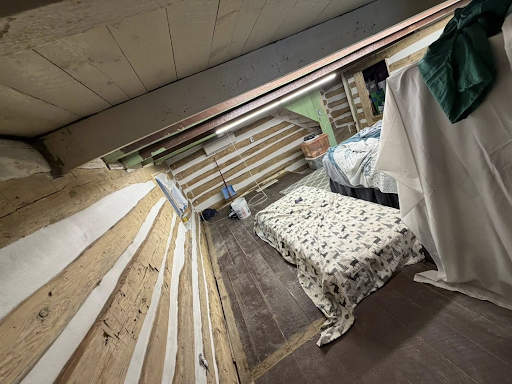
Log homes have a character you just don’t get from brick or standard timber-framed houses. They feel warmer. More connected to nature. But owning one also means paying attention to things that can quietly become expensive problems. A lot of homeowners start searching for log home repair near me Winchester Virginia only after they notice soft wood, dark stains, or sections of the wall that don’t look quite right. By then, the damage has often been there for a while. That’s the frustrating part about log rot. It usually starts small and stays hidden until it can’t anymore.
Why Log Rot Happens in the First Place
Rot isn’t something that appears overnight. It develops when moisture stays trapped inside the wood for long periods. Fungi thrive in damp conditions, and once they begin breaking down the wood fibres, the logs slowly lose their strength. It can take months or even years before anyone realises what’s happening.
The thing is, wood is meant to breathe. When moisture gets in but can’t escape, that’s where trouble begins. Add shade, poor airflow, and regular rainfall into the mix, and you’ve got conditions that rot absolutely loves.
Poor Drainage Around the Foundation
Water sitting near the base of a log home is one of the biggest causes of decay. If the ground slopes toward the house instead of away from it, rainwater naturally collects against the lower logs.
Many homeowners focus on the roof and forget what’s happening at ground level. Wet soil keeps the bottom logs damp almost constantly. Eventually the protective finish breaks down, moisture works its way inside, and decay starts. It’s slow. But it’s relentless.
Simple grading improvements or better drainage systems can make a massive difference before damage begins.
Leaking Gutters and Roof Problems
A tiny roof leak doesn’t stay tiny forever.
Overflowing gutters, damaged flashing, or missing shingles allow water to drip onto the same section of wall every time it rains. Over months, that repeated soaking weakens finishes and allows moisture into the logs.
Sometimes you can actually see darker streaks running down exterior walls. Other times everything looks perfectly normal from the outside while moisture is quietly building beneath the surface. That’s why regular roof inspections matter more than most people think.
Sunlight Matters More Than People Realise
This surprises a lot of log homeowners.
Too little sunlight can actually increase the risk of rot. Homes surrounded by dense trees often stay damp for much longer after rain. Logs don’t dry properly, especially on the north-facing sides where direct sunlight rarely reaches.
Trees are beautiful. Nobody wants to cut them all down. But trimming branches to improve airflow can reduce moisture retention quite a bit. Sometimes that’s enough to prevent future problems.
Cracked or Damaged Log Finishes
Protective stains and sealants don’t last forever.
Over time they fade, crack, or peel because of weather exposure. Once that protective layer starts failing, rainwater can penetrate directly into the timber. Freeze-thaw cycles make those cracks even larger, creating easy entry points for moisture.
Many homeowners assume the logs themselves are failing when, really, the finish simply wasn’t maintained. Keeping coatings in good condition is much cheaper than replacing damaged logs later.
Insects Can Make Things Worse
Rot and insects often go hand in hand.
Wood-boring insects, carpenter ants, and certain beetles are attracted to damp timber because it’s easier to tunnel through. They don’t always cause the original problem, but they definitely speed it up.
Tiny holes, fine sawdust around logs, or hollow-sounding wood shouldn’t be ignored. Those signs usually mean something larger is happening beneath the surface.
Poor Maintenance Over the Years
Honestly, neglect causes more rot than dramatic weather ever does.
Skipping inspections. Waiting another year before resealing the exterior. Ignoring small cracks because they “don’t seem serious.” Those little decisions add up.
Log homes aren’t high-maintenance, despite what some people say. They just need consistent attention. Walking around the property twice a year and looking carefully at the logs can catch problems before repairs become expensive.
Moisture Trapped Inside the Home
Exterior moisture isn’t the only concern.
Poor ventilation inside kitchens, bathrooms, crawl spaces, or basements can create high humidity levels. That moisture eventually reaches wooden walls and structural logs. Over time, condensation becomes another source of decay.
Proper ventilation, exhaust fans, and maintaining indoor humidity all help protect the home from the inside out.
Spotting Rot Before It Gets Serious
Early warning signs aren’t always dramatic.
You might notice soft patches when pressing against a log. Maybe the stain begins peeling in one specific area. Sometimes there’s a musty smell that doesn’t seem to go away. Discolouration, fungal growth, or small cracks expanding over time are all worth investigating.
Ignoring those clues rarely works out well. If something feels off, it probably deserves a closer look before the damage spreads further.
Repairing Damage Before It Spreads
Once decay begins, quick action usually saves money. Waiting almost always makes repairs larger.
Professionals experienced in repairing rotted logs log home projects can determine whether damaged sections can be restored or if full log replacement is necessary. The sooner repairs begin, the better the chance of preserving the original structure and avoiding widespread deterioration throughout the home.
Conclusion
Log rot isn’t unavoidable, and it definitely isn’t something every log homeowner has to deal with. Most cases develop because moisture was allowed to stick around longer than it should have. A little maintenance, regular inspections, and fixing small issues early go a long way. Log homes are built to last for generations, but only if they’re looked after. Catch the warning signs early, stay ahead of moisture problems, and your home will reward you with decades of strength and character.