
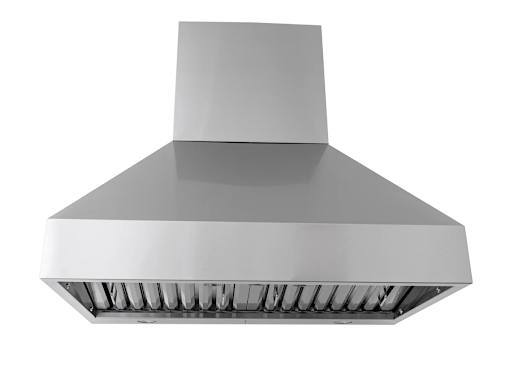
A 42 inch kitchen hood is designed to provide efficient ventilation for larger cooktops and professional-style ranges. Selecting the correct hood requires evaluating airflow capacity, mounting configuration, ducting requirements, filter design, noise levels, and compatibility with your cooking appliances. Understanding these technical specifications helps homeowners choose a ventilation system that delivers consistent performance while meeting kitchen design requirements.
A modern 42 inch kitchen hood removes grease particles, smoke, steam, heat, and cooking odors before they circulate throughout the home. Premium models are available in wall-mounted, island, insert, and under-cabinet configurations with multiple blower options, stainless steel construction, LED lighting, and dishwasher-safe baffle filters. Choosing the appropriate hood depends on both kitchen layout and cooking intensity.
Determining the Correct Airflow (CFM)
One of the most important specifications when selecting a 42 inch kitchen hood is airflow, measured in cubic feet per minute (CFM).
General considerations include:
- Electric cooktops typically require lower CFM.
- Gas ranges often require higher airflow.
- Professional ranges benefit from high-capacity blowers.
- Frequent frying, grilling, or wok cooking generates more smoke and grease.
Matching CFM to cooking habits improves ventilation efficiency without oversizing the system.
Ducted vs. Ductless Installation
The installation method directly affects ventilation performance.
Ducted Systems
- Exhaust smoke and grease outdoors
- Deliver maximum airflow
- Require exterior ductwork
- Best for heavy cooking applications
Ductless Systems
- Filter air using charcoal filters
- Return cleaned air into the kitchen
- Easier to install where ductwork is unavailable
- Require regular filter replacement
Mounting Configurations
Choosing the proper mounting style depends on kitchen design.
Common options include:
- Wall-mounted range hoods
- Island range hoods
- Under-cabinet range hoods
- Custom insert systems
Each configuration provides different installation requirements while maintaining effective ventilation.
Filter Technology
Modern 42-inch kitchen hood models generally use:
- Stainless steel baffle filters
- Mesh filters
- Charcoal filters for recirculating systems
Baffle filters are preferred for high-output residential kitchens because they efficiently capture grease while remaining easy to clean.
Noise Ratings
Blower performance should be balanced with acceptable sound levels.
Factors affecting operating noise include:
- Motor size
- Fan speed
- Duct diameter
- Installation quality
- Airflow resistance
Selecting the proper duct size helps maintain both airflow efficiency and quieter operation.
Construction Materials
Premium ventilation systems are commonly manufactured using:
- 430 stainless steel
- 304 stainless steel
- Tempered glass accents
- Commercial-grade blower assemblies
Stainless steel provides excellent durability, corrosion resistance, and simplified maintenance for long-term residential use.
Maintenance Requirements
To maintain peak performance:
- Clean baffle filters regularly.
- Inspect ductwork for airflow restrictions.
- Replace charcoal filters when applicable.
- Clean the hood interior and exterior.
- Verify blower operation periodically.
Routine maintenance preserves airflow efficiency and extends equipment lifespan.
Conclusion
A 42 range hood insert is an excellent option for homeowners incorporating custom cabinetry into their kitchen design. Selecting the correct 42-inch kitchen hood requires evaluating airflow requirements, installation style, filtration system, construction materials, and maintenance needs to ensure long-term ventilation performance and reliable operation.