
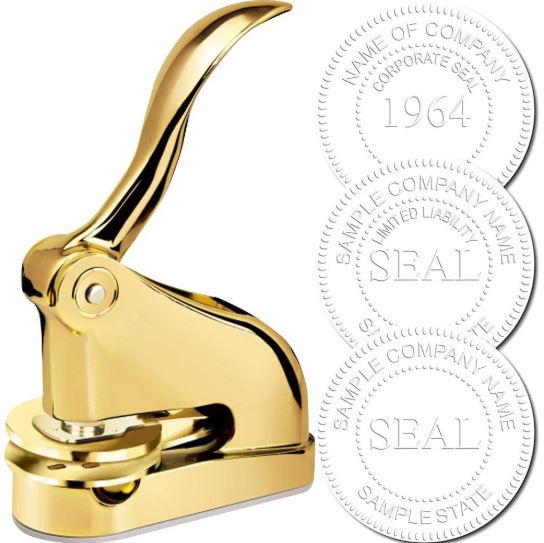
An embossing stamp is a timeless tool that adds a raised, elegant impression to paper without using ink. Whether you are a business owner looking to strengthen your brand, a professional certifying important documents, or someone who enjoys creative stationery, an embossing stamp offers a sophisticated finish that stands out. Unlike traditional rubber stamps, embossers create a three-dimensional impression that adds texture, authenticity, and visual appeal.
Today, embossing stamps are widely used by businesses, notaries, architects, engineers, libraries, schools, and individuals who appreciate premium paper products. They combine functionality with style, making every document, invitation, certificate, or package feel more professional.
What Is an Embossing Stamp?
An embossing stamp is a handheld or desk-mounted tool that presses two engraved metal plates together to create a raised design on paper. The device does not require ink because the design is formed by pressure rather than color. The resulting impression is crisp, durable, and difficult to duplicate, making it ideal for both decorative and official applications.
Modern embossing stamps can feature company logos, monograms, professional seals, names, addresses, or completely custom artwork. This versatility makes them useful for both business and personal projects.
How Does an Embossing Stamp Work?
The embossing process is straightforward but highly effective. A custom die is engraved with your chosen design. When paper is placed between the upper and lower plates, squeezing the handle applies pressure that permanently raises the design into the paper.
The finished impression creates a clean and elegant appearance without smudging or fading. Since no ink is involved, embossing remains one of the cleanest marking methods available.
Types of Embossing Stamps
Several types of embossing stamps are available to meet different needs.
Handheld Embossers
Handheld embossers are lightweight, portable, and easy to operate. They are perfect for occasional use, invitations, stationery, certificates, and personal branding.
Desk Embossers
Desk embossers are designed for frequent use and higher volumes. Their sturdy construction provides greater leverage, making them comfortable for businesses and professionals who emboss documents regularly.
Pocket Embossers
Pocket embossers are compact enough to carry while traveling. Mobile professionals, inspectors, and notaries often prefer these models because they provide convenience without sacrificing quality.
Common Uses of Embossing Stamps
Embossing stamps serve many industries and personal applications.
Businesses often emboss company letterheads, invoices, contracts, presentation folders, and premium packaging. The raised impression reinforces brand identity while creating a memorable customer experience.
Professionals such as architects, engineers, surveyors, and notaries frequently use embossers to authenticate official documents. The embossed seal demonstrates professionalism while helping verify important paperwork.
Individuals also enjoy embossing personalized stationery, wedding invitations, greeting cards, books, journals, certificates, and handmade gifts. The elegant finish adds a unique personal touch that ink stamps cannot replicate.
Benefits of Using an Embossing Stamp
One of the greatest advantages of embossing is its professional appearance. The raised design immediately attracts attention and gives documents a premium feel.
Durability is another important benefit. Unlike ink, embossed impressions cannot smear, fade, or dry out. The impression remains visible for years without requiring maintenance beyond normal cleaning.
Embossing also enhances document authenticity. Many organizations use embossed seals because they are more difficult to reproduce than printed graphics, adding an additional level of confidence.
The versatility of embossing stamps makes them suitable for branding, certification, personalization, and creative projects across numerous industries.
Choosing the Right Embossing Stamp
Selecting the right embosser depends on how frequently it will be used and the type of documents you create.
For occasional personal use, a handheld embosser is often the most practical option. It offers affordability, portability, and excellent quality for invitations, stationery, and personal projects.
Businesses that emboss large quantities of documents typically benefit from desk embossers, which reduce hand fatigue during extended use.
Professionals should ensure that any required licensing information, registration numbers, or official wording meets applicable regulations before ordering a custom embosser.
Customizing Your Embossing Stamp
Customization allows you to create an embosser that perfectly represents your needs.
Businesses commonly include company logos, brand names, addresses, or corporate slogans. This creates consistent branding across official documents and marketing materials.
Professionals often customize embossers with their licensed seal, registration number, and required professional designation.
Individuals frequently choose monograms, initials, family names, decorative artwork, or custom illustrations for personalized stationery and gifts.
Providing clean, high-resolution artwork helps ensure the final embossed impression remains sharp and easy to recognize.
Caring for Your Embossing Stamp
Proper maintenance helps extend the life of your embossing stamp.
Store the embosser in a clean, dry location to prevent moisture from affecting the metal components. Avoid excessive force beyond normal operation, as this can increase wear over time.
Occasionally inspect the embossing plates for dust or paper fibers. Gently cleaning them with a soft cloth helps maintain crisp impressions.
Using paper within the recommended thickness range also improves performance while reducing unnecessary strain on the embosser.
Why Businesses Choose Embossing Over Ink Stamps
While traditional rubber stamps remain useful for many applications, embossing provides a more sophisticated presentation.
Raised impressions communicate professionalism and quality without relying on ink. Since there is no risk of smearing, embossers create consistent results every time.
Luxury brands, law firms, financial institutions, universities, and government organizations frequently use embossed seals because they reflect attention to detail and reinforce trust.
Even small businesses benefit from embossing by making packaging, certificates, thank-you cards, and official correspondence appear more premium.
Industries That Frequently Use Embossing Stamps
Many industries rely on embossing for everyday operations.
Legal professionals use embossed seals on notarized documents and certifications.
Architects and engineers apply professional seals where required for official drawings and project documentation.
Educational institutions emboss diplomas, certificates, transcripts, and awards to enhance authenticity.
Libraries use embossers to mark books and ownership documents without adding ink.
Corporate offices incorporate embossed logos into executive correspondence and presentation materials to strengthen brand identity.