
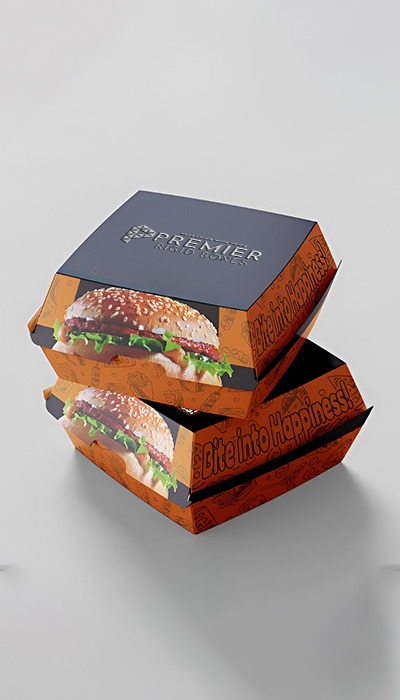
On the surface, a burger joint and a beauty brand don’t have much in common. One sells something you eat in ten minutes and forget about. The other sells something people keep on a shelf, photograph, and talk about for weeks. But look closely at how the best names in both categories handle packaging, and the overlap is bigger than you’d think. Both are selling an experience as much as a product, and both figured out a long time ago that the box is part of that experience, not just a container for it.
Smaller businesses in either space tend to treat packaging as a cost to minimize. The bigger, more established names treat it as one more chance to make an impression. That difference shows up in the numbers, even if it’s hard to point to a single line item that explains why.
First Impressions Happen Before the First Bite or First Swipe
A burger arriving in a soggy, generic box already feels worse before anyone’s tasted it. A grease stain spreading across plain cardboard doesn’t inspire confidence, even if the food underneath is exactly the same as it would’ve been in better packaging. The best burger brands understand this and design around it vented boxes that keep steam from turning fries soggy, sturdy stock that holds up during delivery, sometimes a simple printed pattern that makes even a to-go box feel like part of the brand rather than an afterthought.
Beauty brands run into a similar issue in a different form. A serum in a flimsy plastic box next to the same serum in a weighted, matte-finished box will get judged differently before anyone’s opened either one. People assume the box reflects the formula. It’s not always fair, but it’s consistently how people behave.
Function Still Has to Come First
Neither category can lean purely on looks, and the best ones know it. A beautiful burger box that lets the food go cold or soggy fails at its actual job, no matter how nice the print looks. Good burger box packaging balances both sides of that insulation and ventilation that actually work, combined with a design that photographs well for the inevitable social post, because plenty of customers are going to snap a picture before they take a bite whether the brand asked them to or not.
Beauty packaging has its own functional demands. Pumps that don’t clog, seals that survive shipping, glass that doesn’t crack in transit. A gorgeous box around a broken product does more damage to trust than plain packaging ever could. The brands that get this right never let design decisions override the basic job the packaging is supposed to do.
Unboxing Is Free Marketing in Both Industries
Beauty brands figured this out earlier and more aggressively unboxing videos have been a category staple for years, and plenty of skincare and cosmetics companies design packaging specifically with that moment in mind. Layers that reveal themselves in a satisfying order, a card with a personal note, a box that looks good even mid-unwrap on camera.
Burger brands are catching up to the same idea, especially with delivery apps making food packaging a much bigger part of the customer experience than it used to be. A burger box worth photographing gets posted, tagged, and shared without the brand paying for a single ad. That’s real exposure, generated by packaging alone, and it costs the same whether ten people see it or ten thousand.
Consistency Builds the Same Kind of Trust in Both Categories
A beauty customer who buys the same moisturizer three times expects the same box every time same color, same finish, same feel in hand. Any deviation, even a small one, reads as something changed with the product itself, whether or not that’s actually true.
Burger brands deal with a faster version of the same thing. Someone who orders from the same chain in two different cities expects the box to look and feel identical. When it doesn’t, it chips away at the sense that this is one consistent, reliable brand rather than a loosely connected set of locations doing their own thing.
Sustainability Pressure Is Shared Across Both
Both industries have taken heat over packaging waste, and both have responded in similar ways recyclable materials, reduced plastic, right-sized boxes that don’t waste cardboard on products that don’t need it. Beauty brands have leaned into refillable packaging as a differentiator. Burger brands have moved toward compostable containers and reduced single-use plastics in places where regulation or customer pressure made it worth the switch.
Neither industry did this purely out of goodwill. Customers started noticing and started talking, and packaging decisions started reflecting that pressure. It’s a reminder that packaging choices don’t happen in a vacuum they respond to what customers are willing to tolerate and what they’re willing to call out.
Common Thread
Strip away the obvious differences between a fast food chain and a skincare line, and the packaging lessons line up almost perfectly. Protect the product first. Design for the moment it gets opened, not just the moment it gets made. Stay consistent so customers recognize the brand without needing the logo to confirm it. And accept that the box is doing marketing work whether a business planned for that or not.
The brands that treat packaging as part of the product, not an expense to minimize, tend to end up with customers who talk about them more, remember them longer, and come back more often. That pattern holds whether the box holds a burger or a bottle of serum.