
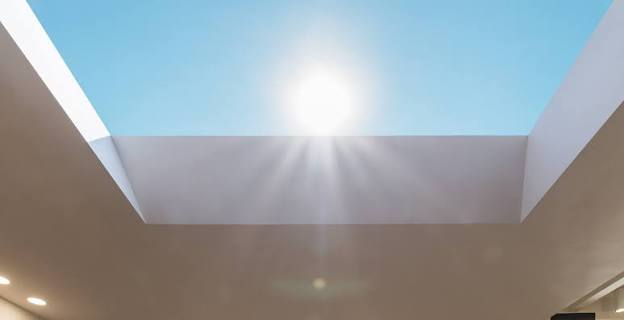
Modern buildings often include spaces that receive little or no natural daylight. Offices, healthcare facilities, retail stores, and residential basements frequently face this challenge. Designers look for ways to make these spaces feel brighter and more comfortable without major structural changes. This is where Artificial Sky panels come into the picture. These lighting systems recreate the appearance of a blue sky and natural daylight, helping indoor spaces feel more open and inviting while maintaining design flexibility.
What Are Artificial Sky Panels?
Artificial Sky panels are lighting systems designed to mimic the appearance of a real sky. They typically feature LED lighting combined with sky-themed visuals that create the illusion of looking through a skylight. Unlike standard ceiling lights, these panels focus on both illumination and visual comfort. They often display blue skies, clouds, or sunlight effects that help create a more pleasant indoor environment. Many architects and interior designers use these systems in areas where traditional windows or skylights are not practical. Their ability to enhance a room’s visual appeal makes them suitable for a wide range of applications.
How Do Artificial Sky Panels Work?
Several technologies work together to create the realistic effect of an indoor sky.
LED Lighting Technology
The foundation of most artificial sky systems is high-quality LED lighting. These LEDs produce bright and even illumination across the panel. Many systems use daylight-colored LEDs that closely resemble natural sunlight. This helps create a more realistic appearance while maintaining energy efficiency.
Sky and Cloud Imagery
The visual element plays a major role in creating the sky effect. Manufacturers use high-resolution images of blue skies and clouds. When light passes through these images, the ceiling appears to open up into the sky. This visual depth helps reduce the feeling of being in an enclosed room.
Light Diffusion Systems
Special diffusion materials spread light evenly across the panel surface. Without these materials, the lighting could appear uneven or create unwanted glare. Even light distribution helps create a softer and more natural appearance that supports visual comfort.
Optical Effects
Some advanced systems include optical technologies that enhance depth perception. These features help create the illusion of distance between the viewer and the displayed sky. As a result, the ceiling can appear higher and more spacious than it actually is.
Benefits of Artificial Sky Panels
Several advantages contribute to the growing popularity of these systems.
- Create the appearance of natural daylight indoors.
- Make enclosed spaces feel larger and more open.
- Improve the visual appeal of ceilings.
- Reduce dependence on structural skylights.
- Offer energy-efficient lighting through LED technology.
- Support modern interior design concepts.
- Require relatively low maintenance compared to traditional skylights.
These benefits make artificial sky systems useful in both commercial and residential environments.
Where Are Artificial Sky Panels Commonly Used?
Different industries use these panels to improve indoor environments and enhance user experiences.
Healthcare Facilities
Hospitals, clinics, and treatment centers often install artificial sky panels in patient rooms and waiting areas. Many healthcare environments lack direct access to natural light. Sky panels help create a calmer and more welcoming atmosphere for patients and visitors.
Office Spaces
Modern offices frequently use these systems in meeting rooms, corridors, and workspaces. Employees often spend long hours indoors. A ceiling resembling a bright sky can help create a more pleasant work environment.
Retail Stores and Shopping Centers
Retail spaces focus heavily on customer experience. Artificial sky panels can make stores feel brighter and more inviting. They also help create a unique visual feature that supports the overall design of the space.
Hospitality and Wellness Centers
Hotels, spas, and wellness facilities often use sky panels to enhance relaxation. The appearance of daylight and open skies can contribute to a more comfortable atmosphere for guests.
Educational Facilities
Schools, colleges, and libraries sometimes use these systems in study areas and classrooms. Brighter, more welcoming interiors can help create a more pleasant learning environment.
Residential Applications
Homeowners increasingly install artificial sky panels in basements, home gyms, and rooms without windows.
These spaces often feel enclosed, and sky panels help improve their visual appeal without requiring major renovations.
Factors to Consider Before Installation
Several practical factors influence the effectiveness of an artificial sky system.
- Room dimensions and ceiling height
- Desired brightness levels
- Interior design goals
- Installation requirements
- Energy efficiency expectations
- Long-term maintenance needs
Careful planning helps ensure the system complements the space and delivers the intended visual effect.
Conclusion
Artificial sky panels combine lighting and design to recreate the appearance of natural daylight indoors. Through LED illumination, sky imagery, and optical technologies, they transform ordinary ceilings into visually engaging features. Their versatility makes them suitable for healthcare facilities, offices, retail environments, educational institutions, hospitality spaces, and homes. As indoor design continues to prioritize comfort and visual experience, Artificial Sky solutions offer a practical way to create brighter, more welcoming interiors.