
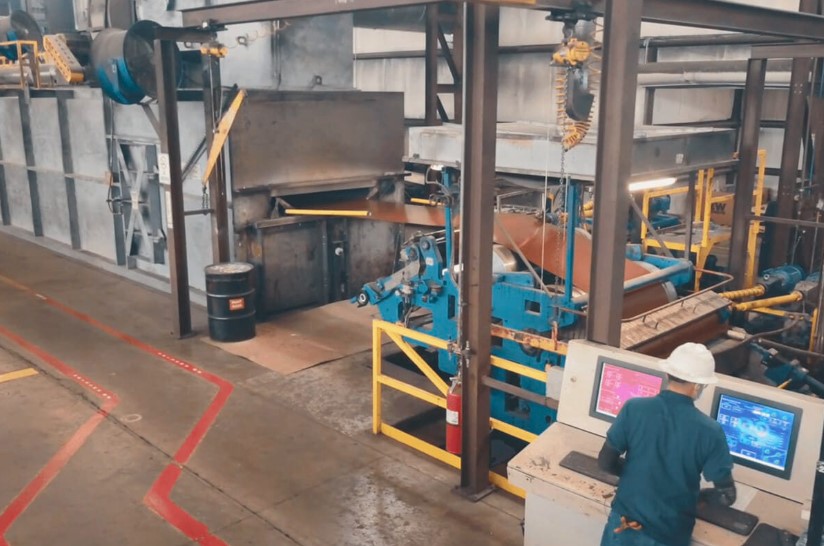
Metal components are used in almost every industry, from construction and manufacturing to automotive and aerospace applications. While metals offer strength and reliability, they are constantly exposed to conditions that can cause corrosion, wear, and structural damage over time. To maintain performance and extend the lifespan of metal products, businesses rely on specialized treatment processes.
A professional Metal treatment service helps improve the quality, durability, and resistance of metal surfaces. These treatments ensure that metal parts can withstand harsh environments, heavy usage, and exposure to moisture or chemicals. Whether for industrial machinery or architectural structures, proper metal treatment plays a vital role in long-term performance.
Understanding Metal Treatment
Metal treatment refers to a range of processes designed to enhance the physical and chemical properties of metal surfaces. These procedures prepare metals for manufacturing, coating, painting, or direct use in demanding environments.
The primary objective is to protect metals from deterioration while improving their appearance and functionality. Different treatment methods are selected based on the type of metal, its intended application, and environmental conditions.
Common Types of Metal Treatment
Surface Cleaning
Before any finishing process, metal surfaces must be thoroughly cleaned. Dirt, oil, rust, and contaminants can interfere with coatings and reduce effectiveness.
Cleaning methods include:
- Chemical cleaning
- Degreasing
- Sandblasting
- Shot blasting
- Ultrasonic cleaning
Proper preparation creates a clean surface that allows treatments and coatings to adhere effectively.
Heat Treatment
Heat treatment alters the internal structure of metal to improve its mechanical properties. By carefully controlling temperature and cooling rates, manufacturers can enhance hardness, strength, and toughness.
Common heat treatment processes include:
- Annealing
- Tempering
- Hardening
- Normalizing
These methods are widely used in automotive, aerospace, and manufacturing industries.
Chemical Treatment
Chemical treatments create protective layers on metal surfaces. These treatments improve corrosion resistance and prepare metals for painting or powder coating.
Examples include:
- Phosphating
- Passivation
- Pickling
- Chromate conversion coating
Chemical treatments are especially beneficial in environments where metals face moisture, chemicals, or extreme weather conditions.
Powder Coating and Finishing
Powder coating is a popular finishing method that provides both protection and visual appeal. It creates a durable layer that resists scratches, corrosion, and UV exposure.
Benefits include:
- Long-lasting protection
- Wide range of colors and finishes
- Environmentally friendly application
- Reduced maintenance requirements
Powder-coated metals are commonly used in outdoor structures, machinery, and consumer products.
Benefits of Metal Treatment
Increased Corrosion Resistance
Corrosion is one of the leading causes of metal failure. Treatment processes create protective barriers that shield metal surfaces from moisture, oxidation, and chemical exposure.
This protection significantly extends the life of metal components and reduces replacement costs.
Improved Wear Resistance
Industrial machinery often experiences friction and heavy loads. Metal treatment strengthens surfaces, making them more resistant to abrasion and wear.
As a result, equipment performs better and requires fewer repairs over time.
Enhanced Product Quality
Metal treatment improves the consistency and reliability of finished products. Treated metals maintain their structural integrity and appearance even under demanding conditions.
Manufacturers benefit from higher-quality products and improved customer satisfaction.
Better Adhesion for Coatings
Paints, primers, and protective coatings adhere more effectively to treated surfaces. Proper treatment reduces peeling, cracking, and coating failures.
This leads to longer-lasting finishes and reduced maintenance expenses.
Cost Savings
Although treatment processes require an initial investment, they often generate significant long-term savings. Improved durability means fewer replacements, reduced downtime, and lower maintenance costs.
Businesses can maximize the value of their metal assets while maintaining operational efficiency.
Industries That Rely on Metal Treatment
Manufacturing
Manufacturing facilities use treated metal components in machinery, tools, and production equipment. Treatment improves reliability and minimizes unexpected breakdowns.
Construction
Structural steel, bridges, railings, and building components require protection from environmental exposure. Treated metals help maintain safety and structural integrity.
Automotive
Vehicle parts are subjected to vibration, moisture, and temperature changes. Metal treatment helps improve performance, safety, and longevity.
Aerospace
Aircraft components must meet strict durability and safety requirements. Specialized treatments provide protection against corrosion and fatigue.
Energy Sector
Power plants, pipelines, and renewable energy systems depend on treated metals to withstand challenging operating conditions.
Choosing the Right Metal Treatment Provider
Selecting the right service provider is critical for achieving optimal results. Businesses should consider several factors before making a decision.
Industry Experience
Experienced providers understand different metal types and treatment requirements. Their expertise helps ensure consistent and reliable outcomes.
Advanced Equipment
Modern treatment facilities use advanced technology to achieve precise and efficient processing. High-quality equipment contributes to better performance and durability.
Quality Control Standards
Reliable providers implement strict quality control procedures throughout the treatment process. This helps ensure that treated components meet industry specifications.
Custom Solutions
Every project has unique requirements. A quality provider offers customized treatment solutions based on material type, operating environment, and performance goals.
The Future of Metal Treatment
Advancements in technology continue to improve Electroplating service processes. Environmentally friendly coatings, automated systems, and innovative surface engineering techniques are becoming increasingly popular.
These developments allow industries to achieve higher performance levels while reducing environmental impact. As manufacturing and infrastructure projects grow more complex, demand for advanced metal treatment solutions is expected to increase.
Frequently Asked Questions
1. What is metal treatment?
Metal treatment is the process of enhancing metal surfaces through cleaning, chemical processing, heat treatment, or protective coatings to improve durability and performance.
2. Why is metal treatment important?
It helps prevent corrosion, improves wear resistance, increases product lifespan, and enhances the overall quality of metal components.
3. Which industries benefit from metal treatment?
Manufacturing, construction, automotive, aerospace, energy, and industrial sectors all rely on metal treatment for improved performance and reliability.
4. How does metal treatment reduce costs?
By extending the life of metal components and reducing maintenance needs, businesses save money on repairs and replacements.
5. What is the most common metal treatment method?
Surface cleaning, chemical treatment, heat treatment, and powder coating are among the most commonly used methods depending on the application.
Conclusion
Metal treatment plays a crucial role in protecting and enhancing metal components across numerous industries. From preventing corrosion to improving strength and wear resistance, these processes help maximize performance and longevity. Investing in professional metal treatment solutions ensures higher-quality products, reduced maintenance costs, and greater operational efficiency. As industries continue to demand durable and reliable materials, metal treatment will remain an essential part of modern manufacturing and infrastructure development.