
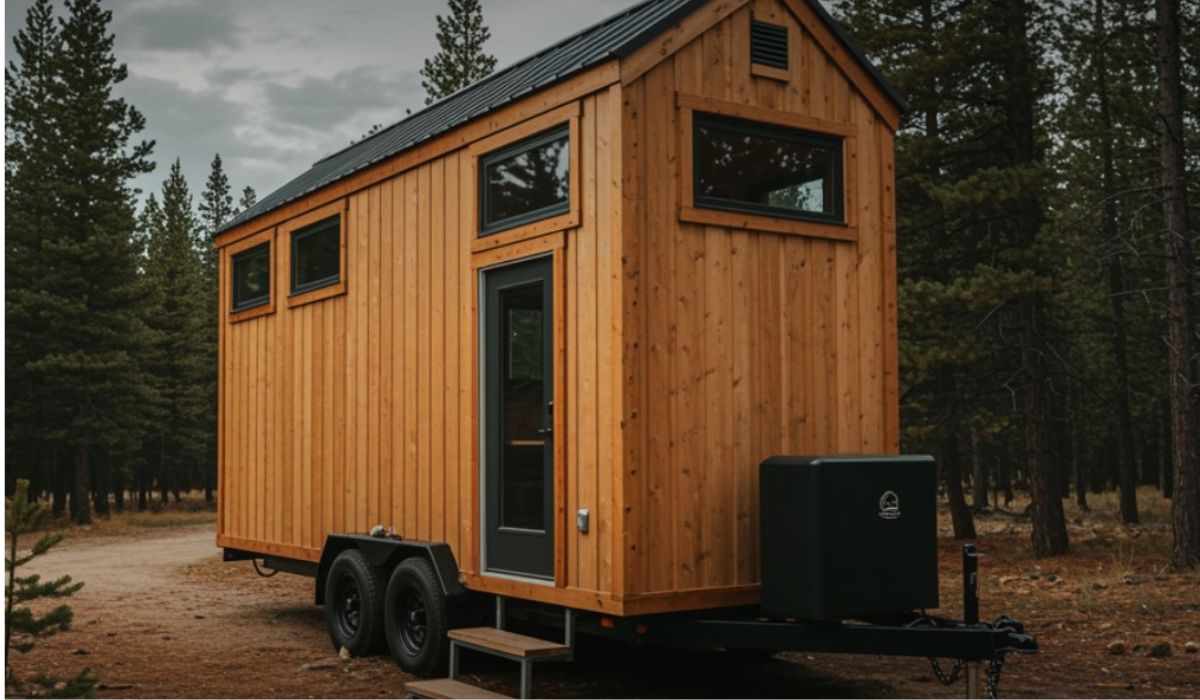
Nobody warns you about this part. You get excited about off-grid living, start researching tiny homes, maybe even browse a tiny home for sale or two, and then you fall down the rabbit hole of zoning laws, building codes, and county ordinances that seem specifically designed to make your head hurt. Tiny house regulations aren’t straightforward. They’re not even consistent. What’s completely legal in one county can get you slapped with a violation notice in the next one over. I’ve talked to people who bought land, moved their trailer home onto it, and then found out months later they weren’t allowed to live there full time. That’s a hard lesson. This guide is about not learning it the hard way.
The Difference Between a Tiny House on Wheels and a Foundation Home
This matters more than most people realize when they start out. A tiny house on wheels — what a lot of people call a THOW — is typically classified as a recreational vehicle in the eyes of local government. That sounds fine until you realize most RV zoning rules say you can’t use it as a permanent residence. A tiny home built on a permanent foundation, on the other hand, usually falls under standard residential building codes, which brings its own set of requirements around minimum square footage, egress windows, ceiling heights. Neither path is simple. But knowing which category your tiny house falls into upfront shapes every decision that comes after it.
Zoning Laws — The First Wall Most People Hit
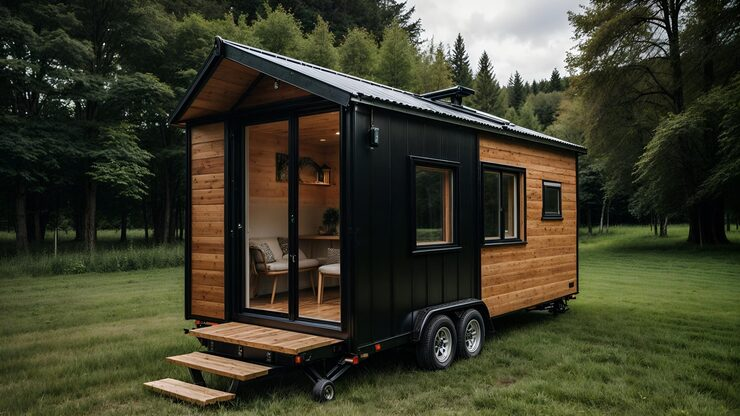
Zoning is where a lot of tiny house dreams stall out. Most residential zones were written decades ago when nobody imagined people would voluntarily choose to live in 250 square feet. So the rules don’t always account for tiny homes at all, which sometimes works in your favor and sometimes very much doesn’t. Agricultural zones tend to be more flexible and a lot of off-grid tiny house folks end up looking there first. But agricultural zoning comes with its own quirks — some require you to actually be farming the land, some limit how many structures you can have, some have setback requirements that make a small parcel basically unusable for what you want. You really have to dig into the specific zoning code for your specific parcel. Not the county website summary. The actual code.
Off-Grid Systems and What Regulators Actually Care About
Going off-grid means handling your own water, power, and waste. And regulators, even in areas that are otherwise flexible about tiny homes, tend to care a lot about the waste piece. Septic systems and composting toilets both require permits in most places. Some counties won’t approve a composting toilet at all, full stop. Solar setups are generally less regulated but if you’re tying into any kind of grid even partially, there are rules there too. Well water needs to be tested and permitted in most states. The off-grid piece isn’t just a lifestyle choice — it’s a regulatory layer on top of whatever you’re already dealing with on the zoning and building side. Stack those together and it gets complicated fast.
How to Actually Research Regulations Before You Buy
Here’s what I’d tell anyone seriously considering this. Before you fall in love with a piece of land or a tiny home for sale, call the county planning department. Just call them. Tell them exactly what you want to do — live full time in a tiny house off-grid on X acres — and ask what that requires. Most planning departments are more helpful than people expect. They’re not trying to catch you out, they just have rules they have to follow. Getting that conversation on record, even just notes from a phone call, can save you from buying land that won’t work for what you need. And if the answer isn’t clear from one call, call again and ask to speak to someone else.
States That Are More Tiny House Friendly Than Others
It’s worth knowing that some states have made real moves toward accommodating tiny homes and off-grid living. Texas, Tennessee, Oregon, and a handful of others have counties or regions with relatively relaxed rules around alternative dwellings and trailer homes used as residences. That doesn’t mean anything goes — it just means the starting point is less hostile. If you have flexibility about where you land geographically, it’s worth factoring the regulatory environment into that decision. Some people pick a state based on the landscape and then spend years fighting local ordinances. Others research first and end up somewhere that just works a lot smoother.
What Happens When You Don’t Follow the Rules
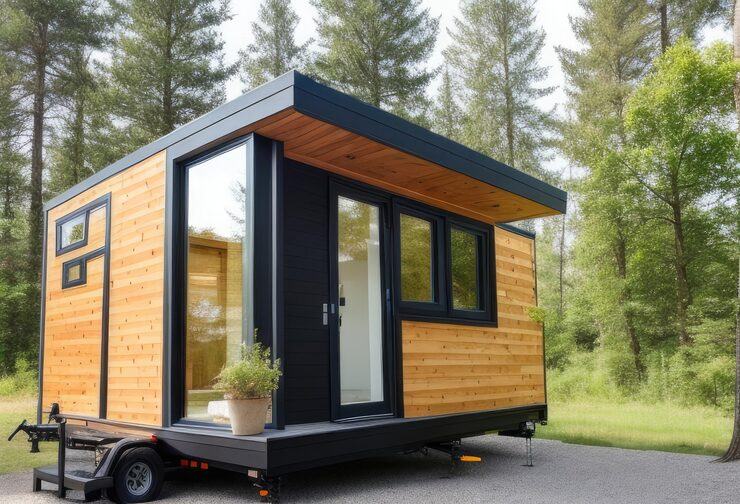
I’m not going to sugarcoat this. People do get away with it sometimes, especially in rural areas where code enforcement is thin on the ground. But sometimes they don’t. Fines, forced removal, structures that can’t be insured or sold. I’ve heard of people losing significant money because they built something that couldn’t be permitted after the fact and couldn’t be sold either. Even if you’re in a remote spot and nobody seems to care right now, the next owner might not have the same experience. If you ever want to sell that tiny home or that land, a legally murky setup is going to cause problems at exactly the wrong moment.
Making It Work — Practical Steps to Move Forward
The people who navigate this well tend to share a few things in common. They research before they commit money to anything. They connect with local tiny house communities, because those people have already done a lot of the legwork and know which counties are workable and which are a nightmare. They hire a land use attorney for at least a consultation if there’s real money on the line, because an hour of legal advice is cheap compared to buying the wrong land. And they stay flexible — sometimes the perfect parcel is just in the wrong spot, and a slightly different location makes everything click into place. Tiny house regulations are genuinely a maze but people figure it out every day. You just have to go in with your eyes open instead of hoping it works out.