
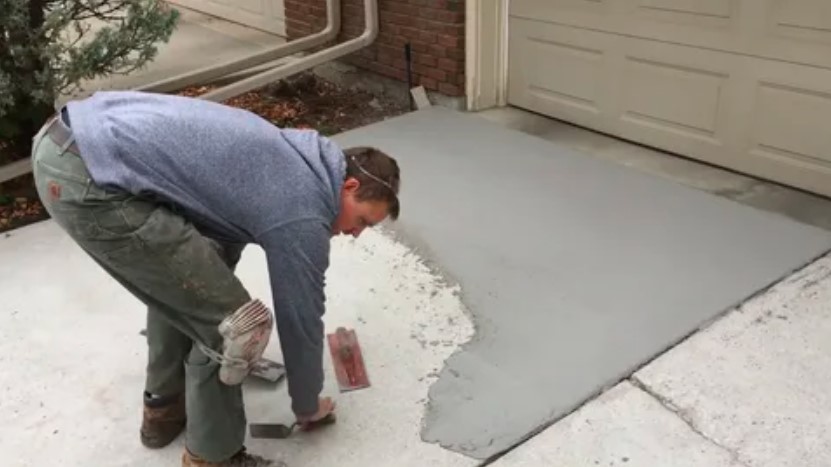
Concrete surfaces are known for their durability, but over time they can become worn, stained, or outdated in appearance. Instead of replacing entire slabs, many homeowners and businesses are turning to concrete overlay systems as a cost-effective and visually appealing solution. These systems provide a fresh, modern look while preserving the strength of the existing surface.
What Are Concrete Overlay Systems?
Concrete overlay systems are thin layers of specially formulated materials applied over existing concrete surfaces. These overlays bond to the original slab, creating a new surface that can be customized in terms of texture, color, and design. Typically made from cement-based compounds mixed with polymers, overlays are engineered for flexibility, adhesion, and durability.
They can be applied to a variety of surfaces, including driveways, patios, pool decks, walkways, and interior floors. Whether the goal is to repair damage or enhance aesthetics, overlay systems offer a versatile solution.
Benefits of Concrete Overlay Systems
One of the main advantages of concrete overlay systems is cost efficiency. Replacing concrete entirely can be expensive and time-consuming, while overlays require less labor and fewer materials. This makes them an attractive option for both residential and commercial projects.
Another benefit is design flexibility. Overlays can mimic the look of natural stone, brick, tile, or even wood. With various stamping, staining, and coloring techniques available, property owners can achieve a high-end appearance without the associated cost.
Durability is also a key factor. When properly installed and maintained, concrete overlays are resistant to wear, weather, and UV exposure. They can withstand heavy foot traffic and, in many cases, vehicle loads.
Additionally, overlay systems are environmentally friendly. By reusing existing concrete, they reduce construction waste and minimize the need for new raw materials.
Types of Concrete Overlay Systems
There are several types of concrete overlay systems, each suited for specific applications:
- Micro-toppings: These are very thin layers used primarily for smoothing and refinishing interior floors.
- Stampable overlays: Thicker overlays that can be textured and patterned to replicate stone or brick.
- Self-leveling overlays: Ideal for uneven or damaged surfaces, these create a smooth, level finish.
- Spray-down overlays: Commonly used for pool decks and outdoor areas, offering slip-resistant textures.
Choosing the right type depends on the condition of the existing surface, the desired appearance, and the intended use of the area.
Installation Process
The success of a concrete overlay system largely depends on proper surface preparation. The existing concrete must be clean, free of debris, and structurally sound. Cracks and imperfections are repaired before applying the overlay.
Next, a bonding agent is often applied to ensure strong adhesion. The overlay material is then spread evenly across the surface using specialized tools. Depending on the desired finish, stamping, coloring, or texturing may be added during this stage.
After application, the surface needs time to cure. Once cured, a protective sealer is typically applied to enhance durability and maintain the appearance.
Maintenance and Longevity
Maintaining Concrete walkway installation is relatively simple. Regular cleaning with mild detergents and periodic resealing can extend the life of the surface. Avoiding harsh chemicals and heavy impacts will also help preserve its condition.
With proper care, overlays can last for many years, making them a long-term investment in both function and style.
Common Applications
Concrete overlay systems are widely used in both residential and commercial settings. Homeowners often use them to upgrade patios, driveways, and garage floors. In commercial spaces, overlays are popular in retail stores, restaurants, and offices due to their durability and aesthetic appeal.
They are also commonly used in outdoor recreational areas, where slip-resistant finishes are essential for safety.
FAQs
1. How thick is a concrete overlay system?
Concrete overlays can range from as thin as 1/16 inch for micro-toppings to over 1/2 inch for stampable overlays, depending on the application.
2. Can overlays be applied to damaged concrete?
Yes, but the existing surface must be structurally sound. Minor cracks and imperfections can be repaired before installation.
3. How long does installation take?
Most projects can be completed within a few days, depending on the size and complexity of the area.
4. Are concrete overlays slippery?
They can be made slip-resistant by adding texture or anti-slip additives, especially for outdoor or wet areas.
5. How long do concrete overlay systems last?
With proper maintenance, they can last 10–15 years or more.
Conclusion
Concrete overlay systems provide a practical and stylish way to rejuvenate old or damaged concrete surfaces. With their affordability, versatility, and durability, they have become a popular choice for modern construction and renovation projects. Whether you’re looking to enhance curb appeal or restore functionality, overlays offer a reliable solution that combines performance with design flexibility.