
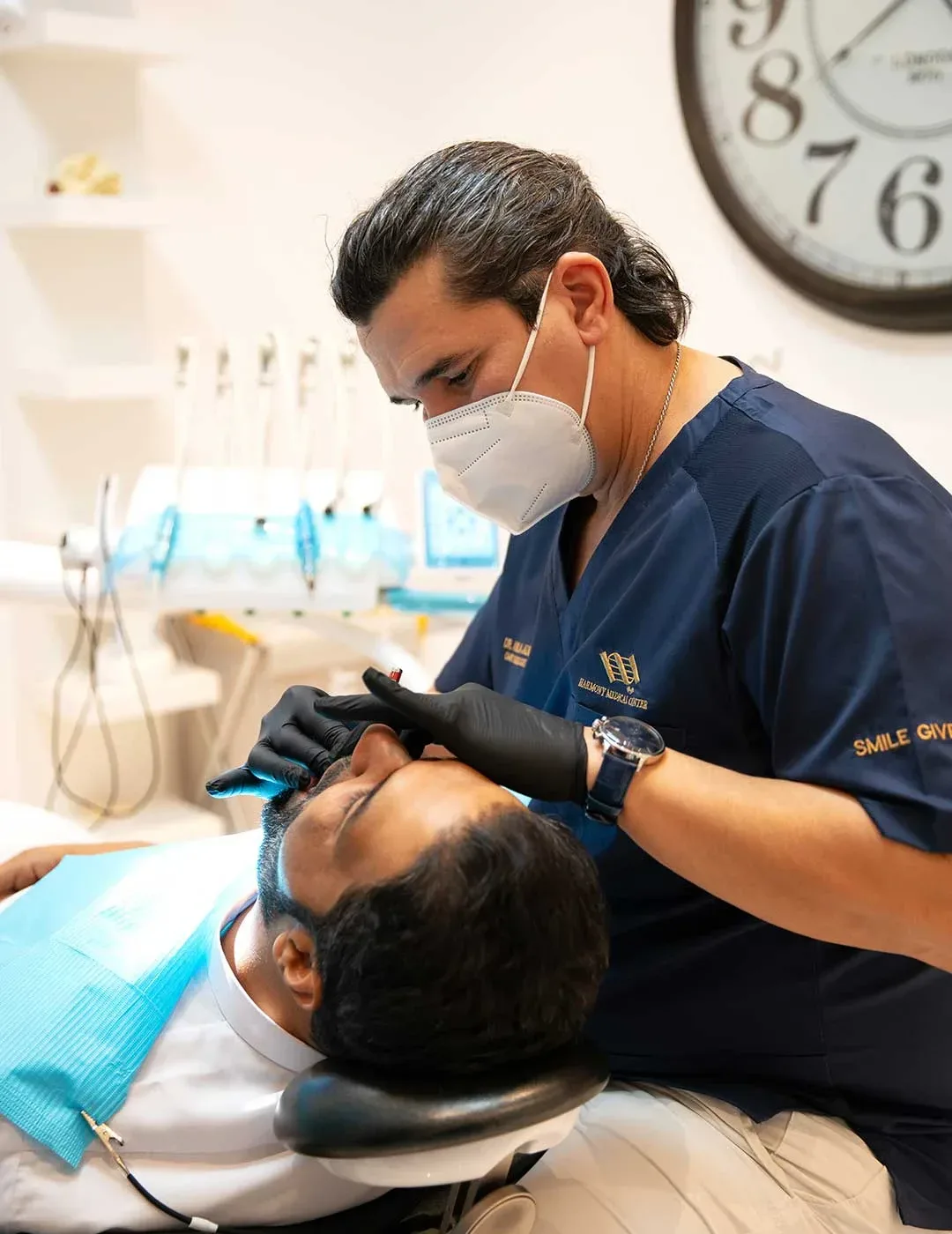
The temporomandibular joint (TMJ) plays a crucial role in everyday functions like chewing, speaking, and even facial expressions. This joint connects your jawbone to your skull, and when it doesn’t function properly, it can lead to discomfort, pain, and restricted movement. TMJ disorders are more common than many people realize, and without proper care, they can significantly affect your quality of life. If you’ve been searching for a tmj specialist dubai or even a dentist near me, understanding the condition is the first step toward effective treatment.
What Is a TMJ Disorder?
A TMJ disorder refers to dysfunction or pain affecting the jaw joint and the muscles that control jaw movement. These disorders can range from mild irritation to severe, chronic pain that interferes with daily activities like eating, speaking, and sleeping. Because the TMJ is a complex joint involving muscles, ligaments, and bones, even small issues can lead to noticeable discomfort.
Many people delay treatment because symptoms may come and go. However, early attention from a tmj specialist in dubai can prevent the condition from worsening.
Common Symptoms of TMJ Disorders
TMJ disorders present a variety of symptoms that may differ from person to person. Some of the most frequently reported signs include:
- Persistent jaw pain or tenderness
- Clicking, popping, or grinding sounds when opening or closing the mouth
- Difficulty opening the mouth fully or limited jaw movement
- Facial pain or recurring headaches
- Ear discomfort, including ringing (tinnitus) or earaches
- Neck and shoulder stiffness or tension
These symptoms can be constant or intermittent. In some cases, they may worsen during stress or after activities like chewing tough foods or grinding teeth at night.
What Causes TMJ Disorders?
TMJ disorders rarely have a single cause. Instead, they often develop due to a combination of factors:
1. Jaw Injury or Trauma
Accidents, sports injuries, or direct impact to the jaw can damage the joint or surrounding tissues.
2. Bruxism (Teeth Grinding and Clenching)
Chronic grinding or clenching, especially during sleep, puts excessive pressure on the TMJ.
3. Stress and Anxiety
Emotional stress often leads to unconscious jaw tightening, which strains the muscles and joint.
4. Arthritis
Conditions like osteoarthritis or rheumatoid arthritis can affect the TMJ, causing inflammation and joint deterioration.
5. Poor Posture
Forward head posture—common with prolonged screen use—can misalign the jaw and strain the TMJ.
6. Bite Problems (Malocclusion)
Improper alignment of teeth can create uneven pressure on the joint.
7. Repetitive Jaw Movements
Habits such as chewing gum frequently, nail biting, or using teeth as tools can stress the joint.
8. Disc Displacement
The TMJ contains a cushioning disc that can shift out of place, leading to clicking sounds and restricted movement.
9. Underlying Health Conditions
Conditions like fibromyalgia or sleep disorders may contribute to TMJ dysfunction.
10. Dental Procedures
Prolonged dental work or jaw positioning during procedures can sometimes trigger symptoms.
Identifying the underlying cause is essential for effective treatment, which is why consulting a qualified tmj specialist dubai is highly recommended.
How TMJ Disorders Are Diagnosed
Diagnosis begins with a thorough evaluation to understand both symptoms and contributing factors. A specialist will typically perform:
- Medical and Dental History Review: Discussing past injuries, habits like grinding, and pain patterns
- Physical Examination: Checking jaw movement, tenderness, and joint sounds
- Imaging Tests: X-rays, CT scans, or MRI to assess bone structure, cartilage, and disc position
- Bite Analysis: Evaluating how teeth align and how pressure is distributed across the jaw
Accurate diagnosis ensures a personalized treatment plan that targets both symptoms and root causes.
TMJ Treatment Options
Treatment for TMJ disorders varies depending on severity and underlying causes. Most cases can be managed with non-surgical approaches, while more advanced cases may require specialized procedures.
Non-Surgical and Conservative Treatments
Lifestyle Modifications
Simple changes like eating soft foods, avoiding excessive jaw movement, and applying ice or heat can reduce discomfort.
Oral Appliances
Custom-made night guards or splints help reduce teeth grinding and relieve pressure on the joint.
Physical Therapy
Exercises, stretching, massage, and techniques like ultrasound therapy can improve mobility and reduce pain.
Medications
Short-term use of pain relievers, anti-inflammatory drugs, or muscle relaxants may be recommended.
Behavioral Therapy
Stress management techniques can help reduce clenching and tension-related symptoms.
For many patients searching for a dentist near me, these conservative treatments provide significant relief without invasive procedures.
Interventional and Advanced Treatments
Injections
Botox or trigger point injections can relax overactive jaw muscles and alleviate pain.
Arthrocentesis
A minimally invasive procedure that flushes the joint to reduce inflammation and improve movement.
Surgical Options
In rare and severe cases, surgery may be necessary to repair or replace damaged joint components.
A skilled tmj specialist in dubai will always recommend the least invasive option first, progressing only if necessary.
Why Seek Professional TMJ Care?
Ignoring TMJ symptoms can lead to worsening pain, chronic headaches, and long-term joint damage. Seeking professional care ensures:
- Early detection of underlying issues
- Personalized treatment plans
- Prevention of long-term complications
- Improved jaw function and comfort
Specialized care goes beyond symptom relief—it addresses the root cause to prevent recurrence.
Long-Term Management and Prevention
Managing TMJ disorders often involves a combination of treatment and preventive strategies:
- Maintain good posture, especially when using digital devices
- Avoid chewing hard or sticky foods excessively
- Practice stress-reduction techniques such as meditation or exercise
- Use prescribed oral appliances consistently
- Schedule regular dental check-ups
These habits can significantly reduce flare-ups and support long-term recovery.
Final Thoughts
TMJ disorders can disrupt daily life, causing pain, discomfort, and limitations in basic activities. However, with proper understanding and timely intervention, they are highly manageable. Whether your symptoms are mild or severe, consulting a tmj specialist dubai can help you regain comfort and function.
If you’ve been searching for a tmj specialist in dubai or even a reliable dentist near me, don’t ignore the signs. Early diagnosis and the right treatment approach can make a significant difference in your overall well-being. Taking action today can help you restore jaw health and enjoy a pain-free life.