
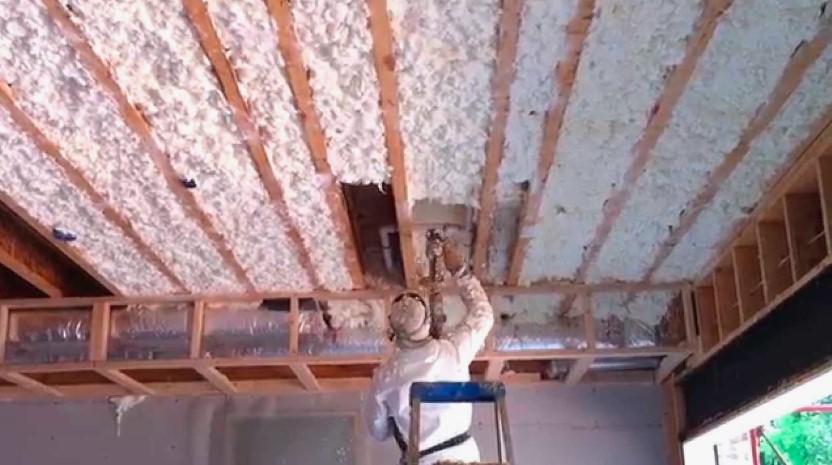
Spray foam insulation installation has become one of the most effective and popular methods for improving energy efficiency in homes and commercial buildings. With rising energy costs and increasing awareness about sustainability, property owners are constantly searching for solutions that provide long-term value. Spray foam insulation stands out due to its superior sealing capabilities, durability, and ability to significantly reduce energy loss.
What Is Spray Foam Insulation?
Spray foam insulation is a chemical product created by mixing two components—polyol resin and isocyanate—which react when combined and expand into a foam. This foam is sprayed into walls, attics, crawl spaces, and other areas where insulation is needed. Once applied, it expands to fill gaps, cracks, and voids, creating an airtight seal.
There are two main types of spray foam insulation:
- Open-cell spray foam: Lightweight, flexible, and ideal for interior applications.
- Closed-cell spray foam: Dense, rigid, and offers higher insulation value and moisture resistance.
Benefits of Spray Foam Insulation Installation
One of the biggest advantages of spray foam insulation installation is its exceptional energy efficiency. Unlike traditional insulation materials such as fiberglass or cellulose, spray foam creates an airtight barrier that prevents air leakage.
Key benefits include:
- Improved Energy Efficiency: Reduces heating and cooling costs by minimizing air leaks.
- Moisture Control: Helps prevent mold and mildew by blocking water infiltration.
- Enhanced Indoor Comfort: Maintains consistent indoor temperatures.
- Sound Reduction: Acts as a barrier to reduce noise transmission.
- Longevity: Does not sag or settle over time like traditional insulation.
The Installation Process
Spray foam insulation installation requires precision and expertise to ensure optimal results. While it may seem straightforward, the process is best handled by trained professionals.
Step 1: Preparation
The installation area must be clean and dry. Any existing insulation or debris is removed to ensure proper adhesion.
Step 2: Equipment Setup
Specialized equipment is used to heat and mix the chemical components before application.
Step 3: Application
The foam is sprayed directly onto surfaces. It expands rapidly, filling gaps and sealing cracks.
Step 4: Curing
Once applied, the foam cures within minutes, hardening into a durable insulating layer.
Step 5: Inspection
Professionals inspect the installation to ensure even coverage and proper sealing.
Where Can Spray Foam Be Installed?
Spray foam insulation is versatile and can be used in various parts of a building, including:
- Attics and rooflines
- Walls and ceilings
- Crawl spaces and basements
- Garages
- Commercial buildings and warehouses
Its adaptability makes it suitable for both new construction projects and retrofitting older structures.
Cost Considerations
While spray foam insulation installation may have a higher upfront cost compared to traditional insulation, it offers substantial long-term savings. Reduced energy bills, minimal maintenance, and increased property value often offset the initial investment.
Factors affecting cost include:
- Size of the area to be insulated
- Type of spray foam used
- Labor and equipment requirements
- Accessibility of the installation site
DIY vs. Professional Installation
Some homeowners consider DIY spray foam kits, but professional installation is generally recommended. Improper application can lead to uneven coverage, reduced effectiveness, and potential safety risks.
Professionals have the expertise, equipment, and safety protocols needed to ensure a high-quality installation. They also understand how to handle the chemicals safely and apply the foam evenly for maximum performance.
Environmental Impact
Spray foam insulation contributes to environmental sustainability by reducing energy consumption. Lower energy usage means fewer greenhouse gas emissions from heating and cooling systems. Additionally, many modern spray foam products are designed with eco-friendly formulations that minimize environmental impact.
Maintenance and Longevity
One of the standout features of spray foam insulation is its durability. Once installed, it requires little to no maintenance. It does not degrade easily and can last for decades without losing its insulating properties.
Routine inspections can help ensure that the insulation remains intact, especially in areas exposed to structural changes or renovations.
FAQs
1. How long does spray foam insulation installation take?
Most residential projects can be completed within one to two days, depending on the size and complexity of the area.
2. Is spray foam insulation safe?
Yes, once cured, spray foam insulation is safe. During installation, proper ventilation and protective equipment are necessary.
3. Can spray foam insulation be installed in existing homes?
Absolutely. It is commonly used in retrofit projects to improve energy efficiency in older homes.
4. How much energy can I save?
Homeowners can save up to 20–50% on energy bills, depending on the property and existing insulation conditions.
5. Does spray foam insulation prevent mold?
It helps reduce moisture infiltration, which lowers the risk of mold growth.
Conclusion
Soundproofing Service near me is a powerful solution for enhancing energy efficiency, comfort, and durability in any building. Its ability to create an airtight seal sets it apart from traditional insulation methods, making it a worthwhile investment for both residential and commercial properties. While the initial cost may be higher, the long-term savings and benefits far outweigh the expense. By choosing professional installation and high-quality materials, property owners can enjoy a more comfortable, energy-efficient, and sustainable living environment for years to come.