
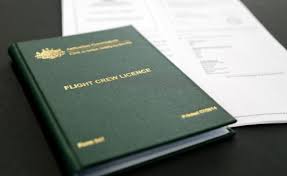
Australia’s Civil Aviation Safety Authority (CASA) issues the CASA Pilot Licence, which sets rigorous training standards and ensures safe aviation practices. International students often prefer this pathway because the licence is well-regulated, recognised globally, and highly regarded in international aviation markets.
Australia provides a reliable and structured training environment, supported by modern infrastructure and experienced flight instructors. The CASA Pilot Licence follows a clear and structured progression, helping students move from basic flying skills to professional pilot roles with confidence and clarity.
Entry Requirements for International Applicants
Before commencing training, international students must meet specific eligibility conditions. These requirements ensure that candidates are well-prepared for both the academic and operational aspects of aviation.
- Candidates must meet the minimum age requirement, which typically starts at 16 years for initial training and increases for advanced licences.
- Students must demonstrate English language proficiency through CASA-recognised tests or assessments.
- Applicants must pass an aviation medical examination conducted by an authorised CASA-approved examiner.
Meeting these requirements allows students to begin training without delays and ensures they are medically and academically fit for aviation responsibilities.
Training Structure and Licence Progression
Pilot training in Australia follows a structured pathway under the CASA Pilot Licence framework. Students start with a Student Pilot Licence (SPL) to develop basic flying skills under supervision, building confidence and understanding essential operational practices.
They then progress to the Commercial Pilot Licence (CPL), covering navigation, flight planning, and operational procedures, while accumulating flight hours and refining practical skills. This pathway ultimately prepares students for higher responsibilities and the Air Transport Pilot Licence (ATPL) under CASA.
Study Duration, Costs, and Visa Requirements
Planning pilot training in Australia requires understanding the time commitment, financial investment, and legal requirements to ensure a smooth learning experience. The duration depends on the course structure and individual progress, with most students completing Commercial Pilot Licence (CPL) and Air Transport Pilot Licence (ATPL) training within 12 to 24 months.
Training costs typically include:
- Tuition fees charged by the flying school
- Flight hour costs, covering fuel and aircraft use
- Examination and licensing fees
International students must also meet visa requirements, including a valid student visa and compliance with attendance and institutional regulations. Careful planning ensures students can complete their CPL and ATPL training without delays, preparing them for professional aviation careers in Australia and internationally.
Career Path After Licence Completion
After completing their training, students can enter the aviation industry through entry-level roles such as flight instruction, charter operations, or support positions within aviation companies. These roles provide practical exposure and help pilots accumulate essential flying hours, which directly influence future career opportunities and progression.
As experience grows, pilots often work towards the Air Transport Pilot Licence (ATPL) in Australia, the qualification required for senior airline positions and operating larger aircraft. With consistent skill development and flying experience, pursuing an ATPL becomes a necessary step for long-term career growth and stability in the aviation industry.
Conclusion
International students embark on a clear and structured pathway into aviation through CASA training. They progress from SPL to CPL, plan for training, costs, and visas, and accumulate flight experience to prepare for professional roles. Pursuing the ATPL in Australia equips them for senior airline positions and ensures long-term career growth. With dedication and consistent effort, students build a rewarding aviation career.