
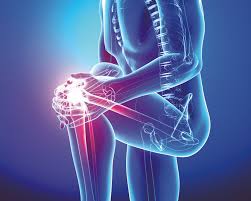
Joint disorders can reduce mobility and interfere with everyday activities. Many people seek medical care when pain, swelling, or stiffness continues for weeks. An orthopaedic hospital in Mumbai usually follows a structured process that begins with diagnosis and continues through treatment and rehabilitation. Orthopaedic specialists evaluate symptoms, study joint movement, and identify the cause of discomfort. With appropriate treatment and guided recovery plans, patients can improve joint function and return to routine activities with greater comfort.
Understanding Joint Disorders
Joint disorders affect structures that allow the body to move smoothly. These structures include cartilage, ligaments, tendons, and surrounding muscles. When these tissues become damaged or inflamed, patients may experience pain or restricted movement. Several factors contribute to joint disorders. Age-related cartilage degeneration remains one of the most common causes. Repeated joint stress, sports injuries, and autoimmune conditions may also affect joint health.
Common joint disorders include:
- Osteoarthritis, which causes gradual cartilage degeneration
- Rheumatoid arthritis, an autoimmune disease affecting the joint lining
- Ligament injuries that reduce joint stability
- Cartilage damage following trauma or sports activity
- Tendon inflammation around frequently used joints
Doctors at an orthopaedic hospital carefully examine these conditions. Early diagnosis helps prevent worsening joint damage and long-term mobility problems.
Diagnosis of Joint Disorders
Accurate diagnosis allows doctors to understand the cause of joint pain and movement restriction. Orthopaedic specialists combine physical assessment with imaging studies to confirm the condition.
Clinical Examination
Doctors begin with a detailed clinical evaluation. They review the patient’s medical history and ask about symptom duration and activity patterns. During the examination, specialists assess:
- Joint swelling and tenderness
- Range of motion and flexibility
- Muscle strength surrounding the joint
- Joint alignment and stability
These observations help doctors determine whether the condition involves cartilage damage, ligament injury, or joint inflammation.
Diagnostic Imaging
Imaging studies help confirm structural joint problems. Doctors choose imaging tests based on symptoms and clinical findings. Common imaging methods include:
- X-rays to identify bone changes and joint space narrowing
- MRI scans to evaluate cartilage, ligaments, and soft tissue structures
- CT scans to examine complex joint injuries
Early evaluation at an allows specialists to detect joint damage before symptoms become severe.
Non-Surgical Treatment Options
Doctors often begin treatment with conservative approaches. These methods aim to reduce pain, improve movement, and support joint stability.
Physiotherapy and Exercise
Physiotherapy remains an important part of joint disorder management. Targeted exercises strengthen muscles surrounding the affected joint. Stronger muscles help support joint stability and reduce strain during movement. Rehabilitation specialists also guide patients through flexibility exercises. These exercises improve joint mobility and prevent stiffness.
Lifestyle Adjustments
Lifestyle changes may help reduce stress on affected joints. Doctors often recommend activity modifications that prevent repetitive joint strain. Patients may benefit from:
- Maintaining a healthy body weight
- Performing low-impact exercises such as swimming or cycling
- Avoiding activities that cause excessive joint stress
These measures help reduce inflammation and protect joint structures.
Minimally Invasive Procedures
Some joint conditions require minimally invasive procedures when conservative treatments do not provide relief. Arthroscopic procedures allow surgeons to examine and treat joint problems using specialised instruments. During arthroscopy, surgeons insert a small camera into the joint through tiny incisions. This technique allows them to repair damaged cartilage, remove loose tissue fragments, or treat ligament injuries. Minimally invasive procedures often provide several benefits:
- Smaller surgical incisions
- Reduced tissue disruption
- Shorter hospital stays
- Faster recovery periods
Doctors working in an orthopaedic hospital in Mumbai often recommend arthroscopy for ligament injuries, cartilage tears, or sports-related joint damage.
Joint Replacement Surgery
Joint replacement surgery becomes necessary when severe joint damage affects daily movement. Surgeons recommend this procedure when cartilage loss causes persistent pain and restricted mobility. During joint replacement surgery, surgeons replace damaged joint surfaces with artificial components designed to restore movement. Common joint replacement procedures include:
- Knee replacement surgery for advanced arthritis
- Hip replacement surgery for severe joint degeneration
- Shoulder replacement surgery for chronic joint damage
Joint replacement procedures help reduce pain and improve joint alignment. Modern surgical techniques also improve implant durability and joint stability. After surgery, patients begin rehabilitation programmes that restore joint strength and movement.
Recovery and Rehabilitation
Recovery forms an essential part of orthopaedic care. Doctors and physiotherapists guide patients through structured rehabilitation programmes after treatment. Rehabilitation usually includes:
- Controlled mobility exercises that restore joint movement
- Strength training that supports surrounding muscles
- Balance training that improves joint coordination
- Regular follow-up assessments to monitor healing
Rehabilitation specialists adjust exercise intensity gradually. This approach prevents excessive strain on the healing joint. Patients treated at an orthopaedic hospital often follow personalised recovery plans. These plans help patients regain mobility and return safely to routine activities.
Conclusion
Joint disorders can affect mobility, physical comfort, and daily routines. Early diagnosis and structured treatment help prevent worsening joint damage. Orthopaedic specialists evaluate symptoms, identify the underlying condition, and recommend appropriate treatment options. The treatment pathway may include physiotherapy, minimally invasive procedures, or joint replacement surgery when necessary. Recovery programmes then support long-term joint function. Seeking care at an orthopaedic hospital in Mumbai allows patients to receive coordinated medical care that promotes recovery and improves overall joint health.