
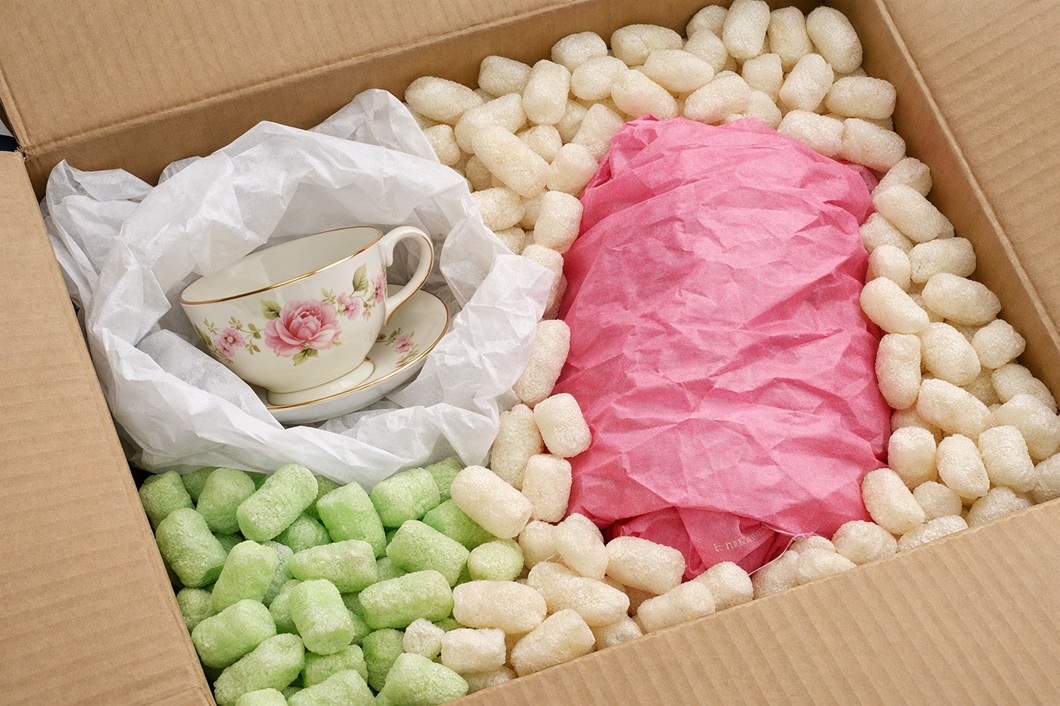
Packing delicate items for long-distance delivery is one of those tasks that looks simple until something arrives damaged. Anyone who has ever shipped a fragile gift, a handcrafted product, or a sentimental item knows that long transit is unpredictable. Boxes are shifted, stacked, tilted, and sometimes dropped. Even when a courier is careful, the journey itself puts pressure on what’s inside.
This is why protecting delicate materials is less about fancy packaging and more about smart, thoughtful packing. When items are packed with the right materials and enough breathing room, they stand a much better chance of reaching their destination safely.
Why Do Fragile Items Need Extra Care During Long Transit?
Delicate materials don’t fail all at once. Damage usually happens slowly. A small movement inside the box turns into repeated friction. Light pressure becomes stress over time. Long transit magnifies these small issues.
When an item isn’t secured properly, it keeps shifting as the parcel moves from one vehicle to another. Over hours or days, that movement causes cracks, dents, creases, or surface marks. Secure packaging reduces this movement and absorbs the impact that naturally comes with shipping.
There’s also the emotional side of it. Fragile items are often gifts or meaningful purchases. When something arrives broken, it’s not just a financial loss. It feels careless, even if it wasn’t meant to be.
Choosing Materials That Actually Protect, Not Just Fill Space
Good packaging materials don’t fight each other. They work together. Each layer has a purpose, and when those layers are chosen carefully, the item stays protected without being crushed.
What Is the Role of Acid-Free Tissue in Surface Protection?
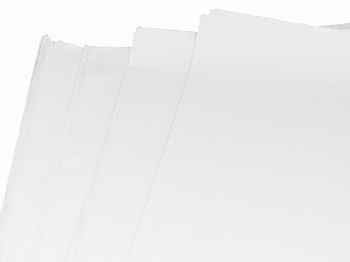
White acid free tissue is usually the first layer for a reason. It’s soft, lightweight, and safe to place directly against delicate surfaces. It protects finishes that scratch easily and prevents materials from reacting over time. This makes it ideal for items like ceramics, glass, artwork, and textiles.
Coloured acid free tissue serves a similar purpose but offers a practical benefit when packing more than one item. It helps separate pieces without allowing them to rub against each other. At the same time, it keeps everything organised and presentable. Since it’s acid free, there’s no risk of staining or damage, even if the parcel is in transit for longer than expected.
Why Is Empty Space More Dangerous Than Impact?
A common packaging mistake is focusing only on wrapping the item and ignoring the box itself. An item can be wrapped perfectly and still break if it has room to move.
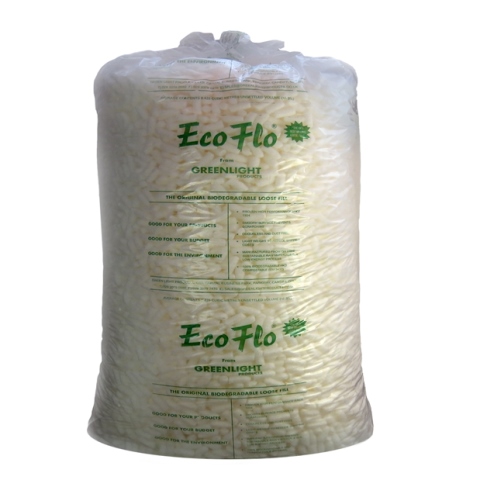
This is where ECOFLO loose fill becomes important. It fills the gaps inside the box and supports the item from every angle. Instead of allowing the item to slide or tip, the loose fill holds it in place and absorbs small shocks along the way.
Biodegradable loose fill works in the same way while offering a more environmentally conscious option. It’s especially useful for long-distance delivery, where constant vibration and handling can slowly wear down poorly packed items.
Why Layering Matters More Than Adding Bulk
Protective packaging works best when it’s layered, not overloaded. Wrapping an item in white acid free tissue protects its surface. Placing coloured acid free tissue between multiple items prevents friction. Surrounding everything with biodegradable loose fill keeps the contents stable inside the box.
What matters is balance. Too little cushioning allows movement. Too much pressure can crack or warp delicate materials. When packed correctly, the item should feel secure but not forced into place.
How Careful Packaging Changes the Delivery Experience
When delicate items are packed with care, they arrive quietly and without drama. No cracks. No dents. No disappointed messages from the receiver. That’s when packaging has done its job properly.
Using materials like white acid free tissue, coloured acid free tissue, ECOFLO loose fill, and biodegradable loose fill shows attention to detail. It also builds trust. The sender feels confident shipping fragile items, and the recipient feels that care was taken from the very beginning.
Final thoughts
Protecting delicate materials during long transit doesn’t require complicated methods. It requires understanding how items move, how pressure builds, and how the right materials can prevent damage over time. Gentle surface protection, proper cushioning, and controlled movement inside the box make all the difference. When packaging is done thoughtfully, delicate items can travel long distances and still arrive exactly as intended.