
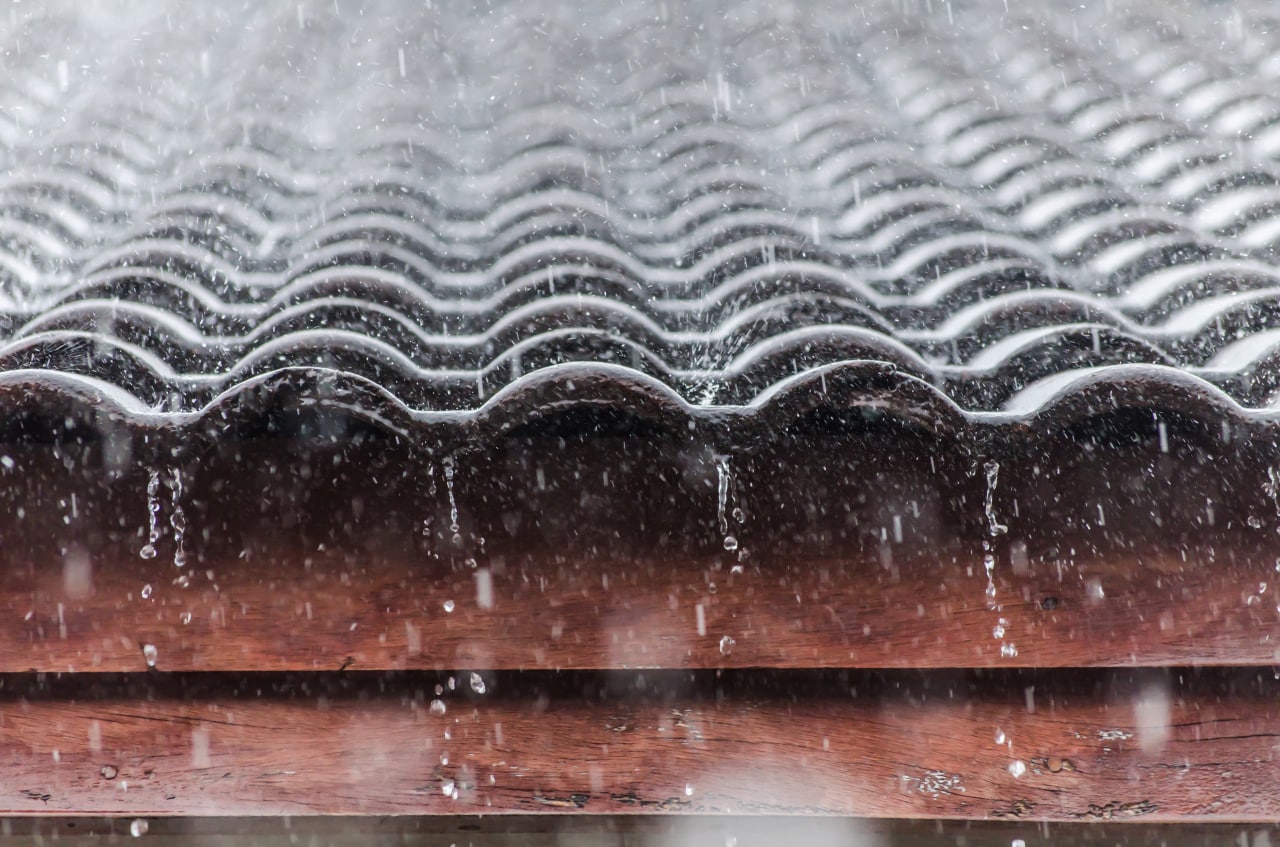
A roof leak is a frustrating problem faced by many homeowners. Water penetration can cause serious damage and inconvenience, including mold growth, insulation failure, microcracks in concrete, and damage to existing repairs. Therefore, it’s crucial to promptly identify the causes of a roof leak and find solutions.
When it comes to choosing a roofing material, the choice often falls on two of the most popular options: metal tiles and corrugated sheets.
Both materials are made of metal, but differ in appearance and design. Metal roofing tiles are formed into individual elements reminiscent of traditional roofing tiles or tiles, while corrugated sheets are relatively straight with a rigid profile.
These roofing materials offer a number of advantages that make them a reliable choice for roof protection:
- high strength and durability;
- resistance to various weather conditions, including rain, snow, wind and sun;
- resistance to fire and decay.
However, after years of use, many people encounter leaking appliances. To understand the causes and how to fix them, read this article.
Why does a roof made of corrugated sheets and metal tiles leak?
After rain, in winter, and during thaws, roof leaks are a common problem. To know what to do in each situation, let’s first consider the reasons why a roof might leak:
- One of the main ones is improper installation . If the roofing material is not tightly installed or securely fastened, gaps or cracks may form between the roof and the covering, allowing water to penetrate.
- Using the wrong fasteners . Some people prefer to save money and buy regular screws at a hardware store, but we strongly advise against this. For metal roofing materials, there are special screws with a press washer and sealing gasket that seal the connection holes and prevent moisture from entering the sub-roof space.
- Material damage . Over the years, due to natural wear and tear or adverse weather conditions, roofing can lose its waterproofing properties. Strong winds, hail, or mechanical damage (scratches, cracks, corrosion) can cause deformation or breaks in the metal coating, allowing water to penetrate the roof.
- Incorrect roof pitch or missing roofing elements such as gutters, waterproofing, or protective layers. If water cannot drain freely from the roof, it accumulates and penetrates the building through any existing imperfections or defects in the roofing.
- Insufficient insulation installation or inappropriate coatings . If insulation is poorly designed or improperly installed, snow can melt and penetrate the roof. This is especially true in roof areas with heavy snow loads or where there is a significant difference between the air temperature inside and outside the home.
- Lack of ventilation and properly designed thermal insulation. Adequate ventilation is also important to prevent moisture accumulation under the roof, as air must circulate properly throughout the attic or loft space to evaporate excess moisture.
Pro Tip: Seamless Gutter Services Middleport NY – Get professional installation, repair, and replacement of seamless gutters. Protect your home with durable, clog-free gutter solutions. Call today for a free estimate.
How to fix a roof leak made of corrugated sheets and metal tiles
If leaks are detected, it’s important to address them immediately. The first step is a thorough visual inspection of the roof. Look for areas where water is penetrating or where there is visible damage to the roofing material.
To make things easier, do this on a bright sunny day—that way, any imperfections will be visible from inside the house. Alternatively, have someone hose down the roof on a dry day while you inspect the inside of the roof for any unwanted holes.
Signs of a long-term, but not severe, roof leak may include the presence of stains or mold on the ceiling or walls of the building.
Leak repair may include the following steps:
Replacing damaged elements
If you discover damaged sections of material, they must be replaced. This may require removing some of the roofing material and installing new elements.
Patches made of polymer roofing mastic, burlap, tarpaulin, bitumen tape, rivets, and roofing screws are also quite common for metal roof repairs. Patches repair obvious damage to the material without replacing it. However, if there are numerous cracks or other holes, it’s better to replace the damaged sheets of roofing material.
Sealing joints
If the leak is caused by gaps or cracks between cover elements, they must be sealed. This may involve using:
- waterproof protective composition – roofing paints on an acrylic and polyurethane basis;
- sealant or waterproofing tape made of silicone, acrylic, polyurethane, bitumen, etc.
Checking the fastenings
Check the fastenings of roof elements such as gutters, downspouts, and fasteners. Ensure they are securely fastened and do not allow water to penetrate.
Complete roof replacement
In the event of severe damage to a metal roof, the most reasonable and cost-effective option in terms of money, time, and hassle is a complete roof replacement, taking into account all the considerations mentioned earlier in this article.
It’s important to note that repairing leaks in corrugated sheets and metal roofing may require roofing knowledge and experience. If you’re unsure of your skills, we recommend contacting professionals for high-quality and reliable repairs, giving you peace of mind regarding your roof and protecting your home from the elements for years to come.
Remember, timely intervention and problem resolution will help keep your roof in good condition and prevent costly repairs in the future.