
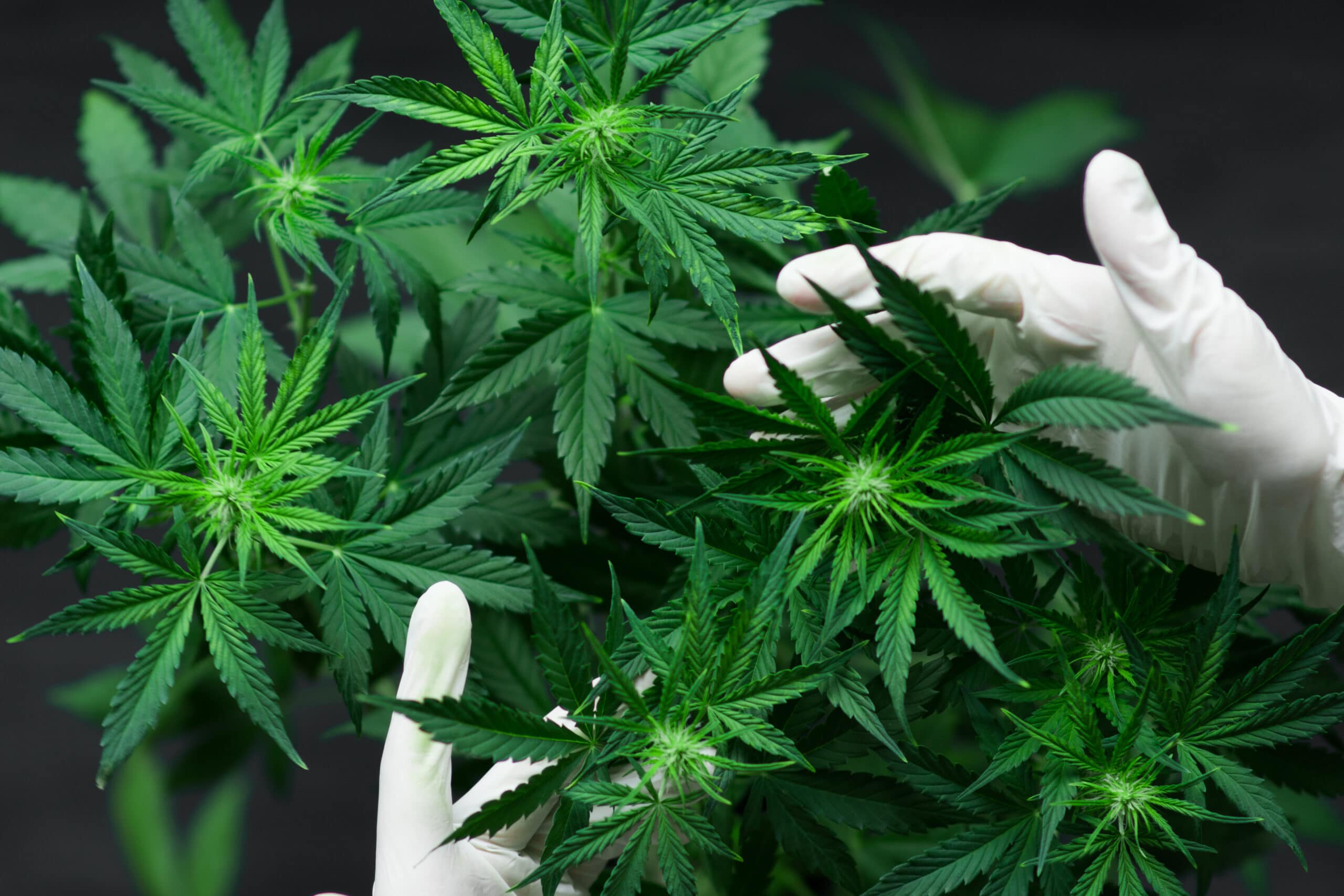
Many growers master how to grow marijuana, yet long-term quality relies on proper storage and handling. Shelf life affects potency, aroma, flavor, and overall consumer satisfaction. Exposure to poor conditions dries buds, damages trichomes, and reduces cannabinoid content. Understanding what influences marijuana shelf life allows cultivators, distributors, and retailers to preserve freshness, maintain chemical integrity, and protect product value throughout the supply chain. This ensures that consumers receive consistent, high-quality cannabis with optimal effects and taste.
Light Exposure
Light exposure rapidly degrades cannabinoids and terpenes, reducing marijuana potency and shelf life. Ultraviolet rays break down THC into CBN, weakening psychoactive effects. Long-term light exposure also diminishes aroma, color, and visual appeal. Using opaque or UV-resistant packaging limits light damage. Storing marijuana in dark or low-light environments protects chemical composition, preserves terpene profiles, and maintains the bud’s natural appearance. Consistent light control is one of the simplest yet most effective steps for maintaining long-lasting freshness.
Temperature Control
Temperature stability directly affects cannabis quality and shelf life. Excess heat dries out trichomes, accelerating chemical degradation, while very cold temperatures make trichomes brittle. Maintaining storage temperatures between 60 and 70 degrees Fahrenheit ensures cannabinoid and terpene stability. Stable temperatures also prevent mold growth or excessive dryness. Proper temperature control slows degradation, preserves aroma and flavor, and maintains the structural integrity of marijuana buds during storage or transport. Consistent environmental monitoring is key to long-term freshness.
Humidity Levels
Humidity is critical for maintaining bud texture, potency, and safety. Low humidity causes marijuana to become brittle and harsh, while high humidity promotes mold and bacterial growth. Keeping relative humidity between 55 and 62 percent balances moisture levels and protects trichomes. Using humidity control packs in airtight containers ensures consistent internal conditions. Controlled humidity prevents rapid deterioration, preserves flavor, and extends shelf life. Proper moisture regulation safeguards both product quality and consumer safety.
Air Exposure
Oxygen exposure accelerates cannabinoid oxidation, reducing THC potency over time. Frequent container opening increases air contact, speeding up chemical breakdown. Using airtight glass jars or vacuum-sealed packaging limits oxygen exposure effectively. Reducing air contact helps preserve terpene profiles and cannabinoid levels, ensuring that buds remain strong and flavorful. Minimizing exposure during storage, transport, and retail display is essential to maintaining freshness and consistent quality across the product lifecycle.
Packaging Materials
Packaging directly affects marijuana shelf life and quality. Thin plastics may allow light or oxygen penetration and generate static that damages trichomes. Glass jars with airtight seals offer superior protection, preventing degradation and preserving aroma. High-quality, durable packaging reduces contamination risks and extends product longevity. Choosing the right materials ensures that marijuana maintains potency and flavor during storage, transport, and display. Proper packaging is a simple but powerful tool for controlling environmental stressors.
Storage Location
The location of stored marijuana influences environmental stability and shelf life. Warm rooms, direct sunlight, and fluctuating conditions accelerate cannabinoid degradation. Dedicated climate-controlled areas provide stable temperature and humidity, maintaining freshness for longer periods. Avoiding kitchens, garages, or areas with inconsistent airflow prevents exposure to heat and moisture changes. Controlled storage environments improve product consistency and extend shelf life, protecting both chemical composition and visual appeal of marijuana buds.
Handling Practices
Careful handling prevents physical damage and contamination. Rough movement can break delicate trichomes, reducing potency and aroma. Using clean gloves and sanitized tools minimizes microbial risk. Limiting unnecessary transfers between containers preserves bud density and structure. Consistent, careful handling from harvest to retail maintains overall quality. Structured handling protocols ensure that marijuana retains its chemical composition, aroma, and visual appeal throughout storage and distribution.
Curing Process
Curing sets the foundation for long shelf life. Properly cured marijuana achieves balanced moisture content and stabilized cannabinoids. Rushed or improper curing traps excess moisture, increasing mold risks and reducing longevity. Controlled, slow curing enhances terpene development, smoothness, and flavor. The curing process significantly influences how long marijuana remains fresh and potent. Well-cured buds offer better consistency, aroma, and consumer satisfaction while maximizing product value in the market.
Mold Prevention
Mold growth is one of the biggest threats to marijuana shelf life. High humidity and poor airflow create conditions for fungal contamination. Regular inspection of stored batches helps prevent large-scale loss. Hygrometers and humidity monitoring devices accurately track environmental conditions inside containers. Implementing preventive measures reduces the risk of contamination, maintains product safety, and ensures compliance with industry standards. Mold prevention is critical for protecting both quality and consumer health.
Harvest Timing
Harvest timing impacts chemical stability and long-term freshness. Early harvesting may produce buds with underdeveloped cannabinoids, while late harvesting risks degradation. Observing trichome maturity ensures optimal potency and chemical balance. Properly timed harvests contribute to effective curing, structural integrity, and longer shelf life. Starting with mature, balanced plants sets the stage for consistent quality throughout storage and distribution, ensuring that buds retain potency, aroma, and flavor.
Transport Conditions
Transport conditions play a critical role in maintaining marijuana quality. Excessive heat during shipping dries buds and damages terpenes. Poorly sealed packaging allows oxygen infiltration, accelerating cannabinoid degradation. Using insulated containers, climate control, and monitoring devices protects product integrity. Stable transport conditions prevent rapid deterioration, ensuring marijuana reaches retailers in peak condition. Maintaining controlled environments during shipping preserves potency, aroma, and appearance for longer shelf life.
Key Factors at a Glance
Several factors collectively impact marijuana shelf life:
- Protect from light using opaque or UV-resistant containers
- Maintain temperature between 60–70°F
- Keep relative humidity between 55–62%
- Use airtight packaging to minimize oxygen exposure
- Proper curing, handling, and transport
Following these practices ensures consistent freshness, optimal potency, and higher market value.
Retail Display
Retail display practices affect product stability. Bright lighting accelerates cannabinoid breakdown, while frequent jar opening increases oxygen exposure. Display samples should remain separate from bulk stock to minimize environmental stress. Proper backroom storage protects inventory and preserves product freshness. Maintaining controlled display conditions ensures that consumers receive high-quality marijuana with intact aroma, potency, and appearance.
Testing and Monitoring
Routine testing helps track marijuana shelf life. Laboratory analysis identifies cannabinoid degradation and microbial contamination. Internal audits ensure consistent storage standards. Inventory monitoring prevents overextended storage, reducing degradation risk. Implementing systematic testing and monitoring provides data-driven insights for maintaining freshness, quality, and compliance across cultivation, distribution, and retail operations.
Consumer Storage
Consumer habits also affect marijuana longevity. Improper storage can undo professional preservation efforts. Advising airtight containers and cool, dark locations extends shelf life. Clear labeling with storage instructions supports optimal consumer handling. Educated consumers experience better flavor, potency, and aroma. Encouraging proper home storage enhances customer satisfaction and protects brand reputation, ensuring that buds remain high-quality until consumption.
Conclusion
Marijuana shelf life depends on careful control of environmental factors, packaging, and handling. Light, temperature, humidity, oxygen, curing, and transport conditions all influence freshness. Neglecting any factor may reduce potency, aroma, and visual appeal. Applying structured strategies across cultivation, storage, and retail ensures longer-lasting, high-quality marijuana. Consistent attention to these factors preserves product integrity, maximizes consumer satisfaction, and strengthens market value.
FAQs
1. What causes marijuana to degrade fastest?
Light exposure, high humidity, and improper temperature are the leading causes of rapid cannabinoid and terpene degradation.
2. What is the ideal temperature for marijuana storage?
60–70°F maintains chemical stability, prevents dryness, and reduces mold risks.
3. How does humidity affect shelf life?
Low humidity dries buds, high humidity promotes mold. Maintaining 55–62% relative humidity balances freshness and safety.
4. Why is curing important for shelf life?
Proper curing balances moisture, stabilizes cannabinoids, and enhances terpene retention, extending freshness.
5. Does packaging really matter?
High-quality, airtight, and UV-resistant packaging protects against oxygen and light, significantly extending shelf life.